El obispo poeta Pedro Casaldáliga y la tradición de la mística poética española

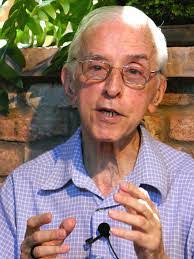
El obispo Pedro Casaldáliga (no le gustaba el título de Don) fue transfigurado el día 8 de agosto de 2020 a los 92 años de edad. Catalán, vino a Brasil y fue consagrado obispo en 1971 para la Prelacía de São Felix do Araguaia-MT. Fue pastor ejemplar, profeta valiente, poeta de gran altura y místico de ojos abiertos. Se hizo conocido por ponerse decididamente del lado de los indígenas y peones expulsados de sus tierras por el avance del latifundio. Su Carta Pastoral de 1971 “Una Iglesia de la Amazonia en Conflicto con el Latifundio y la Marginación Social” provocó varias amenazas de muerte y de expulsión del país por la dictadura militar.

Voy a exponer aquí solo algunos tópicos de su poesía y de su mística, que se alinean a la gran tradición española de poetas místicos como San Juan de la Cruz y Santa Teresa de Jesús. Algunos están en español, otros en portugués.

Vivió la pobreza evangélica en grado extremo: «No tener nada/no llevar nada/no poder nada/y de pasada, no matar nada/no callar nada./Solamente el Evangelio como una faca afilada/y el llanto y la risa en la mirada/Y la mano extendida y apretada/y la vida, a caballo, dada./Y este sol y estos ríos y esta tierra comprada/como testigos de la resurrección ya estallada./¡Y más nada!».

Valiente, dijo al enfrentarse a los opresores: «Donde tú dices ley, yo digo Dios./Donde tú dices paz, justicia, amor/yo digo Dios./Donde tú dices Dios/yo digo libertad, justicia, amor». Estos valores son los verdaderos nombres de Dios.

Amenazado de muerte, escribió una Cantiga a la muerte: «Ronda la muerte, ronda/ la muerte rondera ronda/ ya lo dijo Cristo antes que Lorca. Que me rondarás, morena,/vestida de miedo y sombra. Que te rondaré, morena,/vestido de espera y gloria. Tú me rondas en silencio/yo te rondo en la canción. Tú me rondas de aguijón, yo te rondo de laurel./Que me rondarás/que te rondaré. Tú para matar/yo para nacer. Que te rondaré/que me rondarás. Tú con guerra a muerte/yo con guerra a Paz. Que me rondarás en mí o en los pobres de mi Pueblo, o en las hambres de los vivos/o en las cuentas de los muertos. Me rondarás bala/me rondarás noche/me rondarás ala/me rondarás coche. Me rondarás puente/me rondarás río/secuestro, accidente/tortura, martirio,/temida. Llamada/vendida/comprada/mentida/sentida/callada/cantada. Que me rondarás/que te rondaré que te rondaremos todos/yo y Él/. Si con Él morimos/con Él viviremos/Con Él muero vivo/por Él vivo muerto/¡Tú nos rondarás/pero te podremos!»

Pero no teme a nada: Lleva tranquilo sus visitas a los pobres. «Y llegaré de noche/con el gozoso espanto/de ver/por fin/que anduve/día tras día; /sobre la misma palma de Tu Mano».

Este poema nos remite a san Juan de la Cruz en el Cántico Espiritual, uno de los más bellos de la lengua española. “Por aquí ya no hay camino”./¿Hasta dónde no lo habrá?/Si no tenemos su vino/¿la chicha no servirá?

¿Llegarán a ver el día/cuantos con nosotros van?/¿Cómo haremos compañía/si no tenemos ni pan?

¿Por dónde iréis hasta el cielo/si por la tierra no vais?/¿Para quién vais al Carmelo/si subís y no bajáis?”

¿Sanarán viejas heridas/las alcuzas de la ley?/Son banderas o son vidas/las batallas de este Rey?/

¿Es la curia o es la calle/donde grana la misión?/Si dejáis que el Viento calle/¿qué oiréis en la oración?

Si no oís la voz del Viento/¿qué palabra llevaréis?/¿Que daréis por sacramento/si no os dais en lo que deis?/

Si cedéis ante el imperio, la Esperanza y la Verdad/ ¿Quién proclamará el misterio/ de la entera Libertad?

Si el Señor es Pan y Vino/ y el Camino por do andáis, si al andar se hace camino,/ ¿qué caminos esperáis?

Vivía en un “palacio” de madera de tercera calidad, totalmente desnudado. Estaba tan identificado con los indígenas y los peones asesinados, que quiso ser enterrado en el “Cementerio do Sertão” donde ellos, anónimos, yacen :

“Para descansar/ quiero sólo esta cruz de palo/como lluvia y sol;/estos siete palmos y la Resurrección”.

Y así imaginó el Gran Encuentro con el Amado al que sirvió en los condenados de la tierra:

«Al final del camino me dirá

Y tú, ¿viviste? ¿Amaste?

Y yo, sin decir nada,

Abriré el corazón lleno de nombres»

El clamor de su profecía, la total entrega de Pastor a los más oprimidos, la poesía que nutre nuestra belleza y su mística de ojos abiertos y manos trabajadoras, permanecerán como un legado perenne para las comunidades cristianas, para nuestro país indio y caboclo que él tanto amó y para  toda la humanidad.

*Leonardo Boff es ecoteólogo, filósofo y viejo amigo de Pedro Casaldáliga.

Traducción  de Mª José Gavito Milano


Arthur Soffiati: Covid-19: a humanidade e as floresta

Damos continuidade às reflexões do ecologista Arthur Soffiati que já iniciaram há semanas. Suas contribuições são importantes para nos fazerem entender por que o Covid-19 atacou a humanidade, porque nós antes atacamos o vírus, roubando-lhe seu habitat devido à falta de respeito  e de cuidado da natureza.Não podemos menosprezar a natureza. Ela é muitíssimo mais forte e sábia que todos nós e poderá nos dar lições para que não sejamos os Satãs da Terra mas seus anjos bons e protetores. F.Capra,o renomado  ecólogo na Folha de São Paulo de 11;08/2020 afirmou o caráter biológico do Covid-19 como eu mesmo venho enfatizando desde o início. Se não mudarmos nossa relação para com a natureza, ela nos poderá contra-atacar novamente e sempre até aprendermos a sentirmo-nos parte dela e a respeitá-la. As reflexões de Soffiati nos mostra como tem sido nossa relação para com a natureza ao longo do tempo. Daí seu valor interpretativo. LBoff

                Arthur Soffiati: Covid-19:  a humanidade e as florestas (II)

Quando portugueses e espanhóis chegaram à África e à América respectivamente, no século XV, as florestas temperadas da Europa já estavam muito reduzidas. Elas foram progressivamente abatidas. Na África, a floresta tropical do Congo foi o que restou da grande floresta que cobria o Saara no início do Holoceno. Não houve um desmatamento descomunal que transformou uma grande mata num imenso deserto. Foram as mudanças climáticas naturais. Os povos que viviam na floresta congolesa extraíam recursos dela, mas sem comprometer sua integridade. O mesmo acontecia com a floresta equatorial da Indonésia. Além da floresta e do deserto, havia, no continente africano, extensas savanas e estepes habitadas por uma megafauna, que já era cobiçada pelos navegantes, sobretudo o elefante.

No grande continente americano, os europeus encontraram as florestas temperadas do norte, a grande floresta amazônica e a Mata Atlântica. Além desses biomas, havia, no interior, o Cerrado, a Caatinga, o Pantanal, os campos do Sul e as zonas geladas do Antártico. Os povos que habitavam a América (considerando-a um só continente, pois não havia países) usavam as florestas, mas as consideravam sagradas e merecedoras de respeito. Eles obtinham nelas recursos para sua subsistência, mas sem ultrapassar limites. Essa visão contemplativa está demonstrada nos depoimentos de índios da América do Norte reunidos no livro “Pés nus sobre a terra sagrada”. Na América do Sul, é ilustrativo o depoimento do xamã yanomami Davi Kopenawa.

Pesquisas arqueológicas estão demonstrando que culturas avançadas se desenvolveram na Amazônia antes da chegada dos europeus. Como se sabe, os solos amazônicos são pobres. As florestas se retroalimentam naquela vastidão de planície. Solo preto em grande quantidade vem sendo encontrado pelos arqueólogos. A conclusão é que a floresta chegou a comportar cerca de dez milhões de habitantes reunidos em culturas distintas que exploravam a grande floresta mantendo-a em pé. A terra preta era fabricada para o cultivo de diversas espécies, inclusive arbóreas. As prospecções sugerem uma ou mais civilizações na Amazônia. As ricas cerâmicas de Marajó, de Maracá, de Santarém e outras confirmariam que houve ali culturas que alcançaram grau civilizacional. Cauteloso, prefiro considerá-las neolíticas avançadas.

Além do mais, os europeus encontraram as adiantadas culturas dos Andes, da América Central e do Ártico, sem contar a cultura já declinante dos maias. Esta, ao que tudo indica, não soube lidar com a floresta e a devastou. Em parte, seu declínio se deve a essa remoção, segundo os estudiosos. No círculo polar ártico, não existiam florestas. Os denominados esquimós conseguiram desenvolver uma refinada cultura para viver no gelo. No México, o grande império asteca impressionou os europeus, o mesmo ocorrendo com o império inca nos Andes.

Como mostra o historiador ambiental José Augusto Pádua no seu livro “Um sopro de destruição”, as luxuriantes florestas encontradas pelos portugueses na América alimentaram neles a concepção de que elas poderiam ser exploradas indefinidamente. Mais que concepção, pode-se falar numa síndrome de inesgotabilidade. Para quem deixou um continente com parcas manchas florestais, encontrar a Mata Atlântica pela frente alimentou a crença na sua infinitude. Logo nos primeiros tempos, a busca pelo pau-brasil estimulou um desmatamento ainda em pequenas proporções, ao mesmo tempo que alterava a concepção dos povos nativos. O famoso diálogo travado entre um velho tupinambá e o calvinista Jean de Léry ilustra duas visões de mundo não só distintas como antagônicas. O francês via dinheiro no pau-brasil. O tupinambá entendia que se tratava apenas de madeira, o que o levou a concluir que os europeus eram loucos. De fato, o sistema capitalista era algo inimaginável e inútil para o índio.

Com a escolha da cana-de-açúcar para colonizar as terras reservadas a Portugal pelo Tratado de Tordesilhas, o primeiro grande tratado da globalização, exigiu-se desmatamento mais intensivo. Até século XVII, as terras baixas foram depenadas. As florestas deram lugar aos canaviais e aos pastos. É de se perguntar por que os portugueses e seus descendentes no Brasil se contentaram com a Mata Atlântica até o século XIX. Os colonos tinham 1,3 milhão de quilômetros quadrados de floresta para explorarem. As árvores eram simplesmente queimadas para abrir espaço para as lavouras e pastagens. Além de não precisarem da Amazônia, os colonos não contavam com tecnologia para derrubar uma floresta que parecia infinita.

Já existem artigos acadêmicos e livros demonstrando com documentos a visão que se tinha das florestas. Derrubá-las significava progresso e civilização. Havia algumas vozes no século XIX que já se opunham a uma tão grande devastação. Mas eram vozes isoladas. Havia quem condenasse o africano ou seu descendente escravizado como o culpado pelo desmatamento, quando, na verdade, eles cumpriam ordens do patrão, que por sua vez atendia às exigências de um capitalismo rasteiro. Por mais protestos isolados, o Brasil era uma grande fazenda dominada por rudes proprietários. Alguns cientistas também condenavam o desmatamento excessivo, como foi o caso de Auguste de Saint-Hilaire ao empreender excursões pelo Brasil. Nem a falta d’água na cidade do Rio de Janeiro causada pelo desmatamento do maciço da Tijuca, exigindo seu reflorestamento, foi suficiente para convencer a economia rural sobre a importância das matas.

Post-covid-19: was in Kosmologie und Ethik zu berücksichtigen ist (III)

Lassen Sie uns den nachdenklichen Kommentar des Textes der Erdcharta vervollständigen, der besagt, dass wir einen Neuanfang suchen müssen, um eine nachhaltige Lebensweise auf dem Planeten Erde führen zu können. Dazu sei “ein neues Gefühl globaler Interdependenz erforderlich“. Die Beziehung von allem mit allem und damit zur globalen Interdependenz stellt eine kosmologische Konstante dar.  Alles im Universum ist Beziehung. Es ist auch ein quantenphysikalisches Axiom, nach dem alle Wesen interretro-verknüpft sind. Wir selbst, die Menschen, sind ein Rhizom (Wurzelzwiebel) von Beziehungen, die sich in alle Richtungen ausstrecken. Dies impliziert das Verständnis, dass alle Probleme: ökologisch, ökonomisch, politisch und spirituell, miteinander verbunden sind. Wir werden Leben nur retten, wenn wir uns nach dieser universellen Logik, der Logik des Universums und der Natur, ausrichten


Die Erdcharta fährt fort: “Universelle Verantwortung ist erforderlich.” Verantwortung bedeutet, sich der Folgen unseres Handelns bewusst zu sein, ob sie anderen Wesen nützen oder schaden. Hans Jonas schrieb ein klassisches Buch über das Prinzip Verantwortung, das die Prinzipien der Prävention und Vorsorge behandelt. Durch Prävention können wir die Auswirkungen berechnen, wenn wir in die Natur eingreifen. Der Grundsatz der Vorsorge sagt uns, dass wir, wenn wir die Folgen nicht ermessen können, nicht riskieren dürfen, bestimmte Maßnahmen und Interventionen zu ergreifen, weil sie sehr schädliche Auswirkungen auf das Leben haben können.


Wir sehen das Fehlen einer solchen kollektiven Verantwortung in der gegenwärtigen Pandemie. Sie verlangt eine strikte soziale Isolation, um eine Ausbreitung in der Gesellschaft zu verhindern, aber die überwiegende Mehrheit der Menschen hält sich nicht an diesen Grundsatz. Er muss universell sein.


Darüber hinaus fordert uns die Erdcharta auf “die Vision (einer nachhaltigen Lebensweise) kreativ zu entwickeln und anzuwenden“. Nichts Großes wird auf der Erde erreicht, ohne sich die neuen Gesellschaften und Formen des Seins vorzustellen und zu erschaffen, die man sich vorgestellt hat. Das ist die Funktion lebensfähiger Utopien.  Alle Utopien erweitern unseren Horizont und fordern unsere Kreativität heraus.  Im heiteren Ausdruck von Eduardo Galeano “führt uns die Utopie von Horizont zu Horizont und veranlasst uns immer zum Gehen.


Um die üblichen Methoden, das Gemeinsame Haus zu bewohnen, zu überwinden, welche in einer utilitaristischen Beziehung bestehen, müssen wir von unserem Planeten als der großen Mutter träumen, “Die Erde der guten Hoffnung” (Ignace Sachs und Ladislau Dowbor). Die Menschheit kann diese Utopie verwirklichen, wenn sie sich der Dringlichkeit der Notwendigkeit einer anderen Welt bewusst wird.


Eine nachhaltige Lebensweise


Die Erdcharta bekräftigt auch “eine Vision einer nachhaltigen Lebensweise“. Wir sind den Ausdruck “nachhaltige Entwicklung” gewohnt.  Er ist präsent in allen offiziellen Dokumenten und auf den Lippen der vorherrschenden Ökologie. Alle seriösen Studien haben jedoch gezeigt, dass unsere Form der Produktion, Verteilung und des Konsums nicht nachhaltig ist, weil es unmöglich ist, ein Gleichgewicht aufrechtzuerhalten zwischen dem, was wir von der Natur nehmen, und dem, was wir ihr lassen, um zu ermöglichen, dass sich die Natur stets reproduzieren und sich kontinuierlich weiterentwickeln kann. Unsere Gier hat den Planeten nicht-nachhaltig gemacht, denn selbst wenn die reichen Länder ihren Wohlstand auf die gesamte Menschheit ausdehnen wollten, würde es mindestens drei Erden wie unsere gegenwärtige erfordern, was absolut unmöglich ist.

Die aktuelle Entwicklung, die das Wirtschaftswachstum des Bruttosozialprodukts, des BSP, misst, zeigt erstaunliche Ungleichheiten, zu dem Ausmaß, dass die NGO Oxfam in ihrem Bericht von 2019 feststellt, dass 1 % der Menschheit die Hälfte des Reichtums der Welt besitzt und dass 20 % der Menschen 95 % dieses Reichtums kontrollieren, während die restlichen 80 % mit nur 5 % des Reichtums auskommen müssen. Diese Daten legen offen, dass die Welt, in der wir leben, völlig unhaltbar ist.


Die Erdcharta wird nicht vom Profit, sondern vom Leben geleitet. Deshalb besteht die große Herausforderung darin, eine nachhaltige Lebensweise in allen Lebensbereichen zu schaffen: in den Bereichen Persönliches Leben, Familie, Soziales, auf nationaler und internationaler Ebene.


Die Bedeutung des Bio-Regionalismus


Schließlich muss diese nachhaltige Lebensweise auf lokaler, nationaler, regionaler und globaler Ebene verwirklicht werden. Natürlich geht es um ein Weltprojekt, das durch einen Prozess umgesetzt werden muss. Heute findet der fortgeschrittenere Teil dieser Suche auf lokaler und regionaler Ebene statt, so dass Bio-Regionalisierung als die wirklich lebensfähige Form der Verwirklichung der Nachhaltigkeit angesehen wird. Wir nehmen die Region als Referenz, nicht nach den willkürlichen Grenzziehungen, die immer noch bestehen, sondern diejenige, die von der Natur selbst geschaffen wurde, mit ihren Flüssen, Bergen, Dschungeln, Wäldern und allem, was ein regionales Ökosystem ausmacht. In diesem Rahmen kann eine authentische Nachhaltigkeit erreicht werden, einschließlich der natürlichen Güter, der Kultur und der lokalen Traditionen, der Persönlichkeiten, die diese Geschichte geprägt haben, die kleine Unternehmen und ökologische Landwirtschaft mit möglichst breiter Beteiligung in einem demokratischen Geist begünstigen. Auf diese Weise wird “gute Lebensführung und gutes Leben” (das ökologische Ideal der Anden) entstehen, ausreichend, anständig und nachhaltig mit der Verringerung der Ungleichheiten.


Diese Vision, die von der Erdcharta formuliert wurde, ist sowohl grandios als auch machbar. Was wir brauchen, ist mehr guten Willen, die einzige Tugend, die für Kant weder Mängel noch Grenzen sieht, denn wenn sie diese hätte, wäre sie nicht gut. Dieser gute Wille würde die Gemeinschaften motivieren und am Ende die ganze Menschheit dazu bringen, wirklich “einen Neuanfang” zu wagen (Fortsetzung folgt).


Leonardo Boff  Ökologe, Theologe und Philosoph, der geschrieben hat „To Protect the Earth-Care for Life: How to Avoid the End of the World“, Record, Rio, 2010.


Post-covid-19: What cosmology and ethics to incorporate (IV)

The sustainable way of life is brought about by virtuous practices consistent with a sustainable mode of living. There are many virtues in a different possible world. I will be brief because I have already published three volumes with the title, “Virtues for a different possible world” (Sal Terrae 2005-2006). I mention 10 virtues, without detailing their content, because that would take us too far afield.
Virtues of a different possible, and necessary, world
The first virtue is essential caring. I call it essential because according to a philosophic tradition that came from the Romans, passed down through the centuries, which is best expressed by several authors, especially in Heidegger’s central nucleus of Time and Being. Caring, it is seen as the essence of the human being. It ts a precondition for the group of factors necessary for life. Without caring, life would never have arisen, nor could it survive. Some cosmologists, such as Brian Swimme and Stephan Hawking, viewed caring as the essential dynamic of the universe. Had the four fundamental energies lacked the subtle caring to act synergistically, we would not have the world we have. All life is dependent on caring. Because we are biologically imperfect beings, with no specialized organs, without the infinite care of our mothers, we could not have gotten out of our cribs and sought nourishment. We need the caring of others. All that we love, we also care for, and we love all that we care for. With respect to nature, this requires a relationship that is amicable, non aggressive and respectful of her limits.
The second virtue is the awareness of belonging to nature, to the Earth and the universe. We are part of a great Totality that surrounds us. We are the conscious and intelligent part of nature; we are that part of the Earth that feels, thinks, loves and venerates. This feeling of belonging fills us with respect, marvelous amazement and security.
The third virtue is solidarity and cooperation.  We are social beings who not only live, but coexist with others. We know from bio-anthropology that it was the solidarity and cooperation of our anthropoid ancestors that, by searching for food and bringing it for collective consumption, allowed them to rise to the top of the animal kingdom, and inaugurate the human world. Today, with respect to the coronavirus, what can save us is this solidarity and universal cooperation. Solidarity must begin with the least among us and the invisible. Otherwise, it is not universally inclusive.
The fourth virtue is collective responsibility. We discussed its meaning above. It is the moment of consciousness when each member of society understands the good and bad effects of their decisions and acts. The uncontrolled deforestation of the Amazon would be absolutely irresponsible because it would destroy the balance of the rains for vast regions and eliminate the biodiversity that is indispensable for the future of life. We need not mention nuclear war, whose deadly effects would eliminate all life, especially human life.
The fifth virtue is hospitality, as a duty and a right. Immanuel Kant was the first to present hospitality as both a duty and a right in his famous work, “In view of perpetual peace” (1795). Kant understood that the Earth belongs to all, because God did not gift any part of the Earth to anyone. The Earth belongs to all her inhabitants, who are free to go wherever they want. Wherever someone is found, it is everyone’s the duty to offer hospitality, as a sign of common belonging to the Earth; and we all have the right to be welcomed, without distinctions. To Kant, hospitality and respect for human rights would constitute the pillars of a world republic (Weltrepublik). This theme has great topicality, given the number of refugees and widespread discrimination against different groups. Hospitality is perhaps one of the most urgent virtues for the process of globalization, even though it is one of the least commonly practiced.
The sixth virtue is universal coexistence. Coexistence is a primary factor because we are all products of the coexistence of our parents. We are beings of relationships, which is to say, we do not simply live, but we coexist through our lives. We participate in the lives of others, their joys and sadness. However, for many it is difficult to coexist with those who are different, be it in ethnicity, religion, or political ideas. What is important is to be open to the exchange. That which is different always brings us something new that either benefits or challenges us. What we must never do is turn difference into inequality.  We can be humans of many different backgrounds, be it Brazilian, Kechua, Italian, Aymara, Wampanoag, Japanese, Peruvian, Aztec, or Yanomami. Each form is human and has its dignity. Today, through the cybernetic mass media of communications, we open windows onto all people and cultures.  Knowing how to coexist with these differences opens new horizons and brings us into a form of communion with everyone. This coexistence also involves nature. We coexist with the landscape, the jungles, the birds and all other animals. It is not just to see the star filled skies, but to enter into communion with the stars, because we come from them and with them we are part of the great All. In fact, we are part of a community of common destiny with all of creation.
The seventh virtue is unconditional respect.Each being, no matter how small, has value in itself, independent of its usefulness to humans. Albert Schweitzer,the great Swiz physician who went to Gabon, Africa, to care for the lepers, profoundly developed the theme. For Schweitzer, respect is the most important basis of ethics, because it includes welcome, solidarity and love. We must start by respecting ourselves, maintaining dignified attitudes and manners that move others to respect us. It is important to respect all beings of creation, because they have value in themselves. They exist or live and deserve to exist or live. It Is especially valuable to respect all human person, because a human is a carrier of dignity, a sacred being with inalienable rights, regardless of their origin. We owe supreme respect for the sacred and to God, the intimate mystery of all things. We must venerate and bend our knees only before God, because only God deserves that attitude.
The eight virtue is social justice and fundamental equality for all. Justice is more than merely giving to each his or her own. Among humans, justice is love and the minimal respect we owe everyone else. Social justice requires guaranteeing the minimum to all persons, without creating privilege, and equally respecting their rights because we are all human beings and deserve to be humanely treated. Social inequality means social injustice and, theologically, it is an offense to the Creator and His sons and daughters. The major perversity that exists nowadays is perhaps that of leaving millions of people in misery, condemned to die before their time. The violence of social inequality and injustice has been revealed in the age of this coronavirus. While some people can safely live quarantined in their homes or apartments, the great majority of the poor are exposed to infection and often to death.
The ninth virtue is the tireless search for peace. Peace is one of the most longed for conditions, because given the type of society we have built, we live in constant competition, called on to consume and to exalt productivity. Peace does not exist by itself.  Peace is the fruit of values that must be lived out and bring peace as a result. One of the most certain ways of understanding peace comes to us from the Earthcharter, where is said: «Peace is the plenitude that results from correct relationships with one’s own self, with other persons, other cultures, other lives, the Earth and the Great All, of whom we are part» (n.16 f). As can be seen, peace is the result of adequate relationships and the fruit of social justice. Without these relationships and this justice we will only know a truce, but never a permanent peace.
The tenth virtue is the development of the spiritual meaning of life. Human beings have a corporal exterior through which we relate with the world and other people.  We also have a psychical interior where our passions, great dreams and our angels and demons are found in the architecture of desire. We must control our demons and lovingly cultivate our angels.  Only that way can we enjoy the equilibrium necessary for life.
But we also posses a depth, the dimension where the great questions of life reside: who are we? Where do we come from? Where are we going? What can we look for after this terrestrial life? What is the Supreme Energy that sustains the heavens and keeps our Common Home circling the Sun and maintains her always alive so that we may live? This is the spiritual dimension of the human being, with intangible values, such as unconditional love, trust in life, and courage to confront the unavoidable difficulties. We realize that the world is filled of meaning, that things are more than things, that they are messengers and have another invisible side. We intuit that there is a mysterious Presence that impregnates all things. The spiritual and religious traditions have called this Presence by a thousand names, without ever being able to totally decipher it. It is the mystery of the world that is sent to the Abyssal Mystery that makes that everything be what it is. Cultivating this space makes us more human, more humble, and roots us in a transcendent reality that is adequate to our infinite desire.
Conclusion: to simply be human
The conclusion we draw from these long reflections on the coronavirus 19 is: we must simply be humans, vulnerable, humble, connected with each other, part of nature and the conscious and spiritual part of the Earth with the mission of caring for the sacred inheritance we have received, Mother Earth, for us and future generations.
The last phrases of the Earthcharter are inspiring: «That our time be remembered by the awakening of a new reverence to life, by the firm commitment to achieve sustainability and to intensify the struggle for justice and peace, and for the joyful celebration of life».
*Leonardo Boff is an ecotheologian and has written, in three volumes, Virtues for another possible world,  (3 vol.), Sal Terrae, 2005-2006