Lula and Bolsonaro:the clash of two visions for Brazil

The release from prison of former President Luiz Inacio Lula da Silva, under the presidency of Jair Bolsonaro, has created a dramatic confrontation of two visions for Brazil. More than just opposite, these two visions are antagonistic. Without forcing the terms, it appears to be the realization of the Gnostic’s world vision that read history as a struggle between good and evil, or according to St. Agustin’s The City of God, a struggle between love and hate.

Actually, Bolsonaro’s vision is based on spreading hate for the homo-friendly, the LGBT, the Blacks and the poor in general, and in exalting dictatorships to the point of praising notorious torturers. For his part, Lula affirms that he harbors no hate, but a love that brought him to implement social policies for including millions of the marginalized, guaranteeing them the vital minimums.

We recognize that this projects a vision that appears dialectic, dividing history into light and dark, but, sadly, that is how it is, even when this dualism is rejected.

This is taking place in the context of world ascension of conservatism, of fundamentalism both political and religious, and the exacerbation of the logic of capitalism as expressed in ultra radical neo-liberalism, turned into the Bolsonaro government’s axial option. This radical neo-liberalism, formulated by the Vienna and Chicago schools, from where Paulo Guedes comes, maintains that “there are no rights other than the laws of the market, and poverty is not an ethical problem but reflects technical incompetence, because the poor are individuals who, due to their own shortcomings, are the losers in the competition with the others”. That theoretical presupposition implies that there is no need to worry about policies for the poor. It is a government of the rich for the rich.

Lula, by contrast, affirms the centrality of social justice; starting with the great majorities who are the victims of capitalism. Lula proposes a social and participatory democracy which includes those majorities. Instead of relying on the support of the social movements, whence he came, as was successfully done by Bolivia’s President Evo Morales Ayma, recently unseated by a classist and racist coup, he tried to realize that vision through a presidency based on a coalition of political parties, He considers this his major mistake, .

In Brazil, racism and intolerance –that were always present, but closeted– have explicitly emerged. They used to hide under the name “Brazilian cordiality”. But as Sergio Buarque de Hollanda, (in Roots of Brazil), noted, that cordiality can mean violence and hate as well as openness and love, because both live in the heart. Hence the name “cordial”.

Surfing on this national and international wave Bolsonaro was elected President and former President Lula was arrested and convicted through lawfare, the judicial body that was implementing the Lava Jato.

Jair Bolsonaro, even after being elected, frequently uses fake news, open lies, and governs with his children in a nepotistic authoritarian and often crass form.

Lula appears as a well known charismatic leader who speaks to the hearts of the forgotten masses. He proposes a social democracy, a State ruled by laws and the urgent need to regain all that has been dismantled.

Everything depends on the style in which this clash will take place. Bolsonaro is avoiding direct confrontation. Because he knows the limitations of his talents; he has left it in the hands of his Secretaries of Justice, Sergio Moro, and of the Treasury, Paulo Guedes, who are better prepared.

As I see it, Lula must avoid lowering himself to a confrontation at Bolsonaro’s level. It is important that Lula bring to light what Bolsonaro hides and cannot use: the crassness of the facts, the tragedy that devastates the great humiliated and offended majorities. There is no need for a long speech in reply to Bolsonaro, because he, himself, is self destructive. Lula must be positive as he speaks to the hearts of the destitute masses, firmly denouncing the evil perpetrated by the measures of exclusion, contrary to established rights, and life itself.

To summarize a lengthy reasoning: It would be wise to adopt the attitude of the best man the West has given, the poor and humble Francis of Assisi. With his realist sensibility, he knew that reality is contradictory, composed of the dia-bolical (that which divides) and of the sim-bolical (that which unites). He did not point to the darkest side of our reality, but emphasized instead the luminous side, so that it inundates mind and heart. As the Poverello of Assisi proclaims: “where there is hatred, I bring love; where there is discord, I bring unity; where there is desperation, I bring hope; where there is darkness, I bring light”.

This option implies a conviction that no government can stand if it is based on hatred, lies and the rejection of Earth’s most humble and poor. Truth, sincere intentions, and selfless love will have the last word. Not Cain but Abel. Not Judas but Jesus. Not Brilhante Ustra but Vladimir Herzog.

Leonardo Boff Eco-Theologian-Philosopher, Earthcharter Commissioner
Para além das nações, construir a Terra

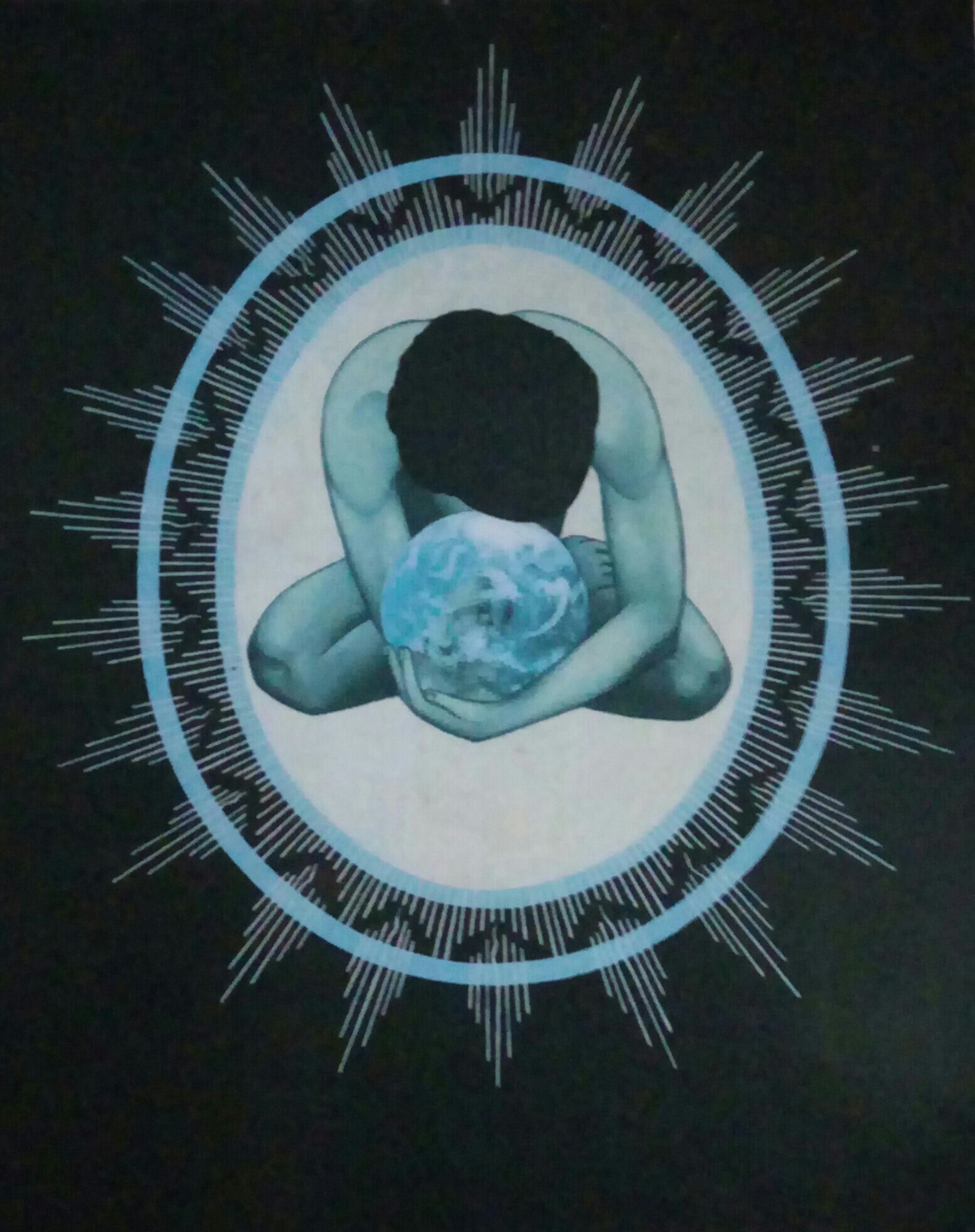
Um anúncio-propaganda de um dos canais de televisão mostra um grupo multi-étnico cantando: “Minha pátria é a Terra”. Aqui se revela um outro estado de consciência que deixou para trás a ideia convencional de pátria e de nação. Com efeito, vivemos ainda sob o signo das nações, cada qual se auto-afirmando, fechando ou abrindo suas fronteiras e lutando por sua identidade. Essa fase, ainda vigente, pertence a outra época da história e da consciência. A globalização não é apenas um fenômeno econômico. Representa um dado político, cultural, ético e espiritual: um novo passo na história do planeta Terra e da Humanidade.

Há alguns milhares de anos a espécie humana saiu de África de onde surgimos no processo evolutivo (somos todos africanos) e conquistou todo o espaço terrestre constituindo vilas, cidades e civilizções. Fernão de Magalhães fez em três anos (1519-1522) a circum-navegação da Terra e comprovou empiramente que ela é efetivamente redonda (não plana como uma obtusa visão ainda sustenta). Depois da expansão, chegou o tempo da concentração, do retorno do grande exílio. Todos os povos estão se encontrando num único lugar: no planeta Terra. Descobrimo-nos, para além das nacionalidades e das diferentes etnias, que formamos uma única espécie, a humana, ao lado de outras espécies da grande comunidade de vida.

À custa estamos ainda aprendendo a conviver acolhendo as diferenças sem deixar que se transformem em desigualdades. Respeitando a riqueza acumulada pelas nações e etnias, que revelam os vários modos de sermos humanos, somos confrontados com um desafio novo, nunca antes havido: a construção da Terra como Casa Comum. Cresce a consciência de que Terra e Humanidade possuem um destino comum. Xi Jin Ping, chefe de Estado da China, o formulou bem: temos o dever de construir a “Comunidade de Destino compartido para a Humanidade”.

O êxito desta construção nos trará um mundo de paz, um dos bens mais ansiados por todos. Viver em paz, oh que felicidade! Essa paz é que nos falta nos dias atuais. Ao contráro, vivemos em guerras regionais letais e uma guerra total movida contra Gaia, a Terra viva, nossa Mãe Terra atacada em todas as frentes, a ponto de ela mostrar sua indignação através do aquecimento global e da exaustão de seus bens e serviços, sem os quais a vida corre risco.

Nesse contexto vale revisitar um clássico do pensamento ocidental, um filósofo, Immanuel Kant (+1804), um dos primeiros a pensar uma República Mundial (Welrepublik), embora nunca tenha saído de sua pequena cidade de Königsberg na Alemanha. Ela só se consolida se conseguir instaurar uma “paz perene”. Seu texto famoso de 1795 se chama exatamente “Para uma paz perene”(Zum ewigen Frieden).

A paz perene se sustenta, segundo ele, sobre duas pilastras: a cidadania universal e o respeito aos direitos humanos.

Esta cidadania se exerce primeiramente pela “hospitalidade geral”. Precisamente ela porque, diz ele, todos os humanos têm o direito de estar nela e visitar seus lugares e os povos que a habitam. A Terra pertence comunitariamente a todos.

Face aos pragmáticos da política, geralmente pouco sensíveis ao sentido ético nas relações sociais, enfatiza:”A cidadania mundial não é uma visão de fantasia mas uma necessidade imposta pela paz duradoura”. Se queremos uma paz perene e não apenas uma trégua ou uma pacificação momentânea, devemos viver a hospitalidade e respeitar os direitos.

Outra pilastra são os direitos universais. Estes, numa bela expressão de Kant são “a menina-dos-olhos de Deus” ou “o mais sagrado que Deus colocou na terra”. O respeito deles faz nascer uma comunidade de paz e de segurança que põe um fim definitivo “ao infame beligerar”.

O império do direito e a difusão da cidadania planetária expressa pela hospitalidade devem criar uma cultura dos direitos, gerando de fato a “comunidade dos povos”. Esta comunidade dos povos, enfatiza Kant, pode crescer tanto em sua consciência, que a violação de um direito num lugar é sentida em todos os lugares, coisa que mais tarde repetirá por sua conta Ernesto Che Guevara.

Esta visão ético-política de Kant fundou um paradigma inédito de globalização e de paz. A paz resulta da vigência do direito e da cooperação juridicamente ordenada e institucionalizada entre todos os Estados e povos.

Diferente é a visão de outro teórico do Estado e da globalização, Thomas Hobbes (+1679). Para ele, a paz é um conceito negativo, significa a ausência da guerra e o equilíbrio da intimidação entre os estados e povos. Esta visão funda o paradigma da paz e da globalização fundado do poder do mais forte que se impõe aos demais. Ele predominou por séculos e hoje voltou poderosamente pelo bizarro presidente dos USA, Trump que ainda sonha com um só mundo e um só império, o norte-americano.

Os EUA decidiram combater o terrorismo com o terrorismo de Estado. É a volta ameaçadora do Estado-Leviatã, inimigo figadal de qualquer estratégia de paz. Nesta lógica não ha futuro para a paz nem para a humanidade.

Hoje somos confrontados com este cenário: se forem ativados os arsenais de armas nucleares pela insanidade de um governante ou pela Inteligência Artificial Autônoma, poderá ser o fim de nossa espécie. Et tunc erat finis. Teremos tempo e sabedoria suficientes para mudar a lógica do sistema implantado há séculos que ama mais a acumulação de bens materiais do que a vida? Isso dependerá de nós.

Leonardo Boff é teólogo e filósofo e escreveu: Cuidar da Terra e proteger a vida:como escapar do fim do mundo, Record 2010.

Uma série sobre os seis ecossistemas do Brasil

É urgente protegermos nossos ecossistemas do Brasil. Para isso precisamos conhece-los. Um grupo de profissionais fez uma série para a TV Futura sob o título TEMPO DA TERRA percorrendo os 6 principais ecossitemas e privilegiando a agroecologia e a visão que o povo tem de sua própria região. As imagens são belíssimas. Eu acompanhei fazendo comentários de natureza ecológica.

Abaixo vai a referência. Podem entrar no Google e procurar por TEMPO DA TERRA e encontrarão a séria toda. Vale a pena, pois tivemos também a preocupação pedagógica, pois o material pode servir de conheicimento e de discussão em grupos na base. Lboff

<http://www.futuraplay.org/serie/tempo-da-terra&gt;


Kurzer Bericht über die “Zerstörung der Indianer” in Brasilien

Wenn ich über die vergangene PanAmazon-Synode im Oktober 2019 nachdenke, erinnert mich das daran, was Bartolomé de las Casas als “Die Zerstörung der Indianer” bezeichnete, als er über Mittelamerika berichtete.

Die erste Begegnung am 21. April 1500, idyllisch erzählt vom Chronisten Pero Vaz de Caminha, verwandelte sich bald in eine tiefe Enttäuschung: Aufgrund der Gier der Kolonisatoren gab es keine Gegenseitigkeit zwischen den Portugiesen und den Indigenen. Vielmehr war es eine Konfrontation, ungleich und gewalttätig, mit katastrophalen Folgen für die Zukunft aller Indigenen Nationen.

Wie auf dem gesamten lateinamerikanischen Kontinent wurde den Indigenen der Status als Menschen entzogen. Sogar 1704 schrieb die Aguiras-Kammer in Ceara, Brasilien, in einem Brief an den König von Portugal, dass “es keine Notwendigkeit für Missionen mit diesen Barbaren gibt, weil sie nur die Form von Menschen haben, und wer etwas anderes sagt, liegt eindeutig falsch.” Zuvor hatte Papst Paul III. eingreifen müssen, und mit der päpstlichen Bulle „Sublimis Deus“ vom 9. Juli 1537 proklamierte er die absolute Würde der indigenen Völker als wahre Menschen, freie Völker und Besitzer ihres Landes.

Aufgrund der Krankheiten der weißen Invasoren, gegen die die Indigenen keine Immunität hatten (Grippe, Windpocken, Masern, Malaria und Syphilis); aufgrund des Kreuzes und Schwerts; der Degradierung ihrer Ländereien, was Jagd und Landwirtschaft unmöglich machte; wegen der Sklaverei; der Kriege, die Don Joo VI. im Mai 1808 offiziell gegen die Krenak im Rio Dulce-Tal ausgerufen hatte; der systematischen Demütigung und Verleugnung ihrer Identität… wurden die fünf Millionen Indigenen auf die derzeitigen 930.000 reduziert. Die faktische Ausrottung der indigenen Völker für politische Zwecke wurde entweder durch erzwungene Akkulturation, spontane und geplante frauenfeindliche Praktiken oder schlicht und einfach durch Völkermord erreicht, ähnlich wie es Brasiliens Generalgouverneur Mendes Sé mit dem Tupiniquim von Iheus tat: “Die Leichen wurden entlang der Strände platziert, in einer Reihe eine Meile (span. Meile = 5,57 km) entlang.” In jüngster Zeit, als die großen Autobahnen und die Wasserkraft-Staudämme im Amazonasgebiet eröffnet wurden, wurden chemische Entlaubungsmittel, Hubschrauberangriffe und Low-Level-Flüge von Flugzeugen gegen die indigenen Bevölkerungen eingesetzt, einschließlich absichtlich eingeführter Bakterien.

Wir brauchen nur ein paradigmatisches Beispiel zu zitieren, das die Logik der “Zerstörung der brasilianischen Indianer” widerspiegelt. Zu Beginn des zwanzigsten Jahrhunderts, als Dominikanerbrüder eine Mission am Ufer des Flusses Araguaia gründeten, befanden sich 6.000 bis 8.000 Kaiapo im Krieg mit den Sammlern von Naturkautschuk in der Region. Im Jahr 1918 zählte man nur noch 500. 1927 waren es 27, 1958 gab es nur noch einen Kaiapo. 1962 wurden die Kaiapo in der gesamten Region für ausgestorben erklärt.

Mit der Vernichtung von mehr als tausend Nationen in 500 Jahren brasilianischer Geschichte verschwand ein menschliches Erbe, entstanden in Tausenden von Jahren kultureller Arbeit, Dialog mit der Natur, Entwicklung von Sprachen und Aufbau einer Weltvision, die dem Leben freundlich und der Natur respektierend gegenüberstand, für immer. Ohne sie sind wir alle ärmer.

Der Alptraum einer Eingeborenen, Terena, erzählt von einem, der die Seelen der Brasilianer und der Indigenen gut kennt, zeigt die Auswirkungen dieser demografischen Verwüstung auf Menschen und Nationen: “Ich ging auf den alten Guarani-Friedhof im Reservat und sah ein großes Kreuz. Einige weiße Männer kamen und nagelten mich mit dem Gesicht nach unten an dieses Kreuz. Sie gingen und ich lag da, verzweifelt, ans Kreuz genagelt. Plötzlich erwachte ich, voller Angst” (Roberto Gambini, The Indigenous Mirror, (El espejo indio, Rio de Janeiro 1980, S. 9).

Diese Angst, hervorgerufen durch die ständigen Aggressionen des barbarischen Weißen (der sich arrogant als zivilisiert bezeichnet) verwandelte sich bei der indigenen Bevölkerungen in Todesangst verwandelt, für immer vom Antlitz der Erde ausgerottet zu werden.

Dank der indigenen Organisationen und der neuen protektionistischen Staatsgesetze, der Unterstützung durch die Zivilgesellschaft und die Kirchen und dank des internationalen Drucks erstarken die indigenen Nationen und nehmen zahlenmäßig wieder zu. Ihre Organisationen offenbaren das hohe Maß an Bewusstsein und Ausdrucksmöglichkeit, das sie erreicht haben. Sie erleben sich als erwachsene Bürger, die am Schicksal der nationalen Gemeinschaft teilhaben wollen, ohne auf ihre Identität zu verzichten, und die mit anderen historischen Persönlichkeiten zusammenarbeiten und dabei ihren kulturellen, ethischen und spirituellen Reichtum teilen möchten.

Dennoch ist die Form des brasilianischen Staates, insbesondere unter der Regierung Bolsonaro, äußerst beleidigend für ihre Würde. Sie bedroht und misshandelt sie durch ihre indigene Politik, als wären sie primitiv und kindisch.

Tatsächlich haben die Ureinwohner eine Integrität, die wir Westler verloren haben, da wir Geiseln eines Zivilisationsparadigmas sind, das spaltet, zerstreut und gegeneinander ausspielt, um vollständig zu dominieren. Die Indigenen sind die Hüter der heiligen und komplexen Einheit des Menschen mit anderen, eingetaucht in die Natur, zu der wir alle gehören und deren Teil wir sind. Sie bewahren das glückliche Bewusstsein unserer Zugehörigkeit zum Ganzen und das ewige Bündnis zwischen Himmel und Erde, den Ursprung aller Dinge.

Als ich im Oktober 1999 in Umeo, die Samis, die indigenen Norweger, traf, stellten sie vor unserem Gespräch zuerst eine Frage:

– Halten die brasilianischen Indigenen die Ehe von Himmel und Erde ein?

Ich verstand die Frage sofort und antwortete entschieden:

– Aber natürlich halten sie an dieser Ehe fest, denn aus der Ehe zwischen Himmel und Erde sind alle Dinge geboren.

Erfreut antworteten sie:

– “Dann sind sie immer noch so wahrhaftig Indigene wie wir. Sie sind nicht wie unsere Brüder und Schwester aus Stockholm, die den Himmel vergessen haben und nur bei der Erde geblieben sind. Deshalb sind sie unglücklich und so viele begehen Selbstmord. Wenn wir die Einheit von Himmel und Erde, von Geist und Materie, dem Großen Geist und dem menschlichen Geist bewahren, werden wir die Menschheit und unsere Große Mutter Erde retten.”

Das ist sicherlich die große Mission der Urvölker und die enorme Herausforderung, uns dabei zu helfen, unsere Pacha Mama, unsere Mutter Erde, zu retten, die uns alle hervorbringt und unterstützt und ohne die nichts in dieser Welt möglich ist.

Wir müssen auf ihre Botschaft hören und uns ihrer Verpflichtung anschließen, um wie sie Zeugen der Schönheit, des Reichtums und der Vitalität von Mutter Erde zu sein.

Leonardo Boff  Ökologe -Theologe – Philosoph und von der Erdcharta Kommission