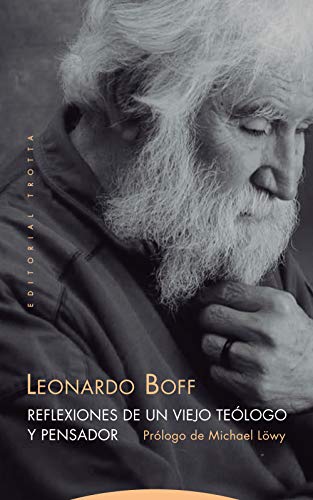
Post-covid-19: What cosmology and ethics to incorporate (IV)

The sustainable way of life is brought about by virtuous practices consistent with a sustainable mode of living. There are many virtues in a different possible world. I will be brief because I have already published three volumes with the title, “Virtues for a different possible world” (Sal Terrae 2005-2006). I mention 10 virtues, without detailing their content, because that would take us too far afield.
Virtues of a different possible, and necessary, world
The first virtue is essential caring. I call it essential because according to a philosophic tradition that came from the Romans, passed down through the centuries, which is best expressed by several authors, especially in Heidegger’s central nucleus of Time and Being. Caring, it is seen as the essence of the human being. It ts a precondition for the group of factors necessary for life. Without caring, life would never have arisen, nor could it survive. Some cosmologists, such as Brian Swimme and Stephan Hawking, viewed caring as the essential dynamic of the universe. Had the four fundamental energies lacked the subtle caring to act synergistically, we would not have the world we have. All life is dependent on caring. Because we are biologically imperfect beings, with no specialized organs, without the infinite care of our mothers, we could not have gotten out of our cribs and sought nourishment. We need the caring of others. All that we love, we also care for, and we love all that we care for. With respect to nature, this requires a relationship that is amicable, non aggressive and respectful of her limits.
The second virtue is the awareness of belonging to nature, to the Earth and the universe. We are part of a great Totality that surrounds us. We are the conscious and intelligent part of nature; we are that part of the Earth that feels, thinks, loves and venerates. This feeling of belonging fills us with respect, marvelous amazement and security.
The third virtue is solidarity and cooperation.  We are social beings who not only live, but coexist with others. We know from bio-anthropology that it was the solidarity and cooperation of our anthropoid ancestors that, by searching for food and bringing it for collective consumption, allowed them to rise to the top of the animal kingdom, and inaugurate the human world. Today, with respect to the coronavirus, what can save us is this solidarity and universal cooperation. Solidarity must begin with the least among us and the invisible. Otherwise, it is not universally inclusive.
The fourth virtue is collective responsibility. We discussed its meaning above. It is the moment of consciousness when each member of society understands the good and bad effects of their decisions and acts. The uncontrolled deforestation of the Amazon would be absolutely irresponsible because it would destroy the balance of the rains for vast regions and eliminate the biodiversity that is indispensable for the future of life. We need not mention nuclear war, whose deadly effects would eliminate all life, especially human life.
The fifth virtue is hospitality, as a duty and a right. Immanuel Kant was the first to present hospitality as both a duty and a right in his famous work, “In view of perpetual peace” (1795). Kant understood that the Earth belongs to all, because God did not gift any part of the Earth to anyone. The Earth belongs to all her inhabitants, who are free to go wherever they want. Wherever someone is found, it is everyone’s the duty to offer hospitality, as a sign of common belonging to the Earth; and we all have the right to be welcomed, without distinctions. To Kant, hospitality and respect for human rights would constitute the pillars of a world republic (Weltrepublik). This theme has great topicality, given the number of refugees and widespread discrimination against different groups. Hospitality is perhaps one of the most urgent virtues for the process of globalization, even though it is one of the least commonly practiced.
The sixth virtue is universal coexistence. Coexistence is a primary factor because we are all products of the coexistence of our parents. We are beings of relationships, which is to say, we do not simply live, but we coexist through our lives. We participate in the lives of others, their joys and sadness. However, for many it is difficult to coexist with those who are different, be it in ethnicity, religion, or political ideas. What is important is to be open to the exchange. That which is different always brings us something new that either benefits or challenges us. What we must never do is turn difference into inequality.  We can be humans of many different backgrounds, be it Brazilian, Kechua, Italian, Aymara, Wampanoag, Japanese, Peruvian, Aztec, or Yanomami. Each form is human and has its dignity. Today, through the cybernetic mass media of communications, we open windows onto all people and cultures.  Knowing how to coexist with these differences opens new horizons and brings us into a form of communion with everyone. This coexistence also involves nature. We coexist with the landscape, the jungles, the birds and all other animals. It is not just to see the star filled skies, but to enter into communion with the stars, because we come from them and with them we are part of the great All. In fact, we are part of a community of common destiny with all of creation.
The seventh virtue is unconditional respect.Each being, no matter how small, has value in itself, independent of its usefulness to humans. Albert Schweitzer,the great Swiz physician who went to Gabon, Africa, to care for the lepers, profoundly developed the theme. For Schweitzer, respect is the most important basis of ethics, because it includes welcome, solidarity and love. We must start by respecting ourselves, maintaining dignified attitudes and manners that move others to respect us. It is important to respect all beings of creation, because they have value in themselves. They exist or live and deserve to exist or live. It Is especially valuable to respect all human person, because a human is a carrier of dignity, a sacred being with inalienable rights, regardless of their origin. We owe supreme respect for the sacred and to God, the intimate mystery of all things. We must venerate and bend our knees only before God, because only God deserves that attitude.
The eight virtue is social justice and fundamental equality for all. Justice is more than merely giving to each his or her own. Among humans, justice is love and the minimal respect we owe everyone else. Social justice requires guaranteeing the minimum to all persons, without creating privilege, and equally respecting their rights because we are all human beings and deserve to be humanely treated. Social inequality means social injustice and, theologically, it is an offense to the Creator and His sons and daughters. The major perversity that exists nowadays is perhaps that of leaving millions of people in misery, condemned to die before their time. The violence of social inequality and injustice has been revealed in the age of this coronavirus. While some people can safely live quarantined in their homes or apartments, the great majority of the poor are exposed to infection and often to death.
The ninth virtue is the tireless search for peace. Peace is one of the most longed for conditions, because given the type of society we have built, we live in constant competition, called on to consume and to exalt productivity. Peace does not exist by itself.  Peace is the fruit of values that must be lived out and bring peace as a result. One of the most certain ways of understanding peace comes to us from the Earthcharter, where is said: «Peace is the plenitude that results from correct relationships with one’s own self, with other persons, other cultures, other lives, the Earth and the Great All, of whom we are part» (n.16 f). As can be seen, peace is the result of adequate relationships and the fruit of social justice. Without these relationships and this justice we will only know a truce, but never a permanent peace.
The tenth virtue is the development of the spiritual meaning of life. Human beings have a corporal exterior through which we relate with the world and other people.  We also have a psychical interior where our passions, great dreams and our angels and demons are found in the architecture of desire. We must control our demons and lovingly cultivate our angels.  Only that way can we enjoy the equilibrium necessary for life.
But we also posses a depth, the dimension where the great questions of life reside: who are we? Where do we come from? Where are we going? What can we look for after this terrestrial life? What is the Supreme Energy that sustains the heavens and keeps our Common Home circling the Sun and maintains her always alive so that we may live? This is the spiritual dimension of the human being, with intangible values, such as unconditional love, trust in life, and courage to confront the unavoidable difficulties. We realize that the world is filled of meaning, that things are more than things, that they are messengers and have another invisible side. We intuit that there is a mysterious Presence that impregnates all things. The spiritual and religious traditions have called this Presence by a thousand names, without ever being able to totally decipher it. It is the mystery of the world that is sent to the Abyssal Mystery that makes that everything be what it is. Cultivating this space makes us more human, more humble, and roots us in a transcendent reality that is adequate to our infinite desire.
Conclusion: to simply be human
The conclusion we draw from these long reflections on the coronavirus 19 is: we must simply be humans, vulnerable, humble, connected with each other, part of nature and the conscious and spiritual part of the Earth with the mission of caring for the sacred inheritance we have received, Mother Earth, for us and future generations.
The last phrases of the Earthcharter are inspiring: «That our time be remembered by the awakening of a new reverence to life, by the firm commitment to achieve sustainability and to intensify the struggle for justice and peace, and for the joyful celebration of life».
*Leonardo Boff is an ecotheologian and has written, in three volumes, Virtues for another possible world,  (3 vol.), Sal Terrae, 2005-2006


Arthur Saffiati: humanidade e as florestas em vista do Covid-19 (I)

Arthur Soffiati é um eminente ecologista, de Campos-RJ, já conhecido por suas contribuições neste blog. Vamos publicar uma série de três (3) artigos acerca das formas como os seres humanos se relacionaram com as florestas. Esta série é oportuna pois nos ajudará a entender o porquê da intrusão do coronavírus  no planeta inteiro. O foco predominante das análise se concentra ma ciência, na técnica, nos insumos e da desenfreada busca  de uma vacina, o que é necessário e urgente. No entanto, vê-se  o Covid-19 isoladamente sem o seu contexto que é o capitalismo e o neoliberalismo que no afã de acumularem mais e mais riqueza e aumentarem o consumo está depredando a natureza  e pondo em risco a sustentabilidade do planeta Terra, limitado e com bens e serviços também limitados e, por isso, não suporta um projeto ilimitado. Esse ponto da natureza está praticamente ausente nas análises dos epidemiologistas. O vírus é consequência do antropoceno, vale dizer, dos seculares ataques dos seres humanos à natureza que reage como todo ser vivo quando atacado. O Covid-19 como o aquecimento global e toda uma série de vírus já enviados, representa uma represália da natureza contra as agressões da humanidade. A continuar esta dinâmica de super-exploração de todos os ecossistemas poderemos contar com mais vírus e, eventualmente, como alguns afirmam, com “o Big One“, com aquele grande e inexpugnável que afetará grande parte da biosfera e levará também milhões e milhões de seres humanos ao desaparecimento, não excluida a hipótese, de toda a espécie humana. Como nunca antes na história o ser humano é responsável por seu destino junto com a vida caso quiser viver ou aceitar absurdamente seu desaparecimento. Ou mudamos ou contemos com o pior O estudo de Arthur Soffiati nos introduz nas várias  etapas da relação da humanidade para com as florestas até chegarmos ao ponto culminante atual com o contra-ataque da natureza à violência que lhe infligimos. Se quisermos ter futuro como espécie junto com a comunidade de vida, devemos fazer uma radical conversão ecológica, de respeito à natureza, aos seus ritmos e também aos limites que não podem ser ultrapassados. L.Boff

                                                 A humanidade e as florestas (I)

Arthur Soffiati

Sempre e nunca são palavras que não devem ser usadas pelo historiador. O senso comum acredita que o ser humano sempre foi desmatador, caçador e poluidor. Que faz parte da natureza humana destruir a natureza não-humana. Por outro lado, não é raro ouvir que nunca houve um período em que a humanidade tenha se relacionado de forma equilibrada com a natureza. Associo arbitrariamente a origem da cultura ao Homo habilis, ancestral do Homo sapiens, há 1.400.000 anos passados. Supõe-se que os primeiros hominídeos, grupo zoológico do qual fazemos parte, desceram das árvores e se adaptaram às savanas. Sua economia baseava-se na coleta, caça e pesca. É de se perguntar por que o Homo habilis, o Homo erectus, o Ho neaderthalensis e Ho sapiens desmatariam. Uma que outra árvore podia ser cortada ou queimada, mas não toda uma floresta. Não havia necessidade de desmatamento nem tecnologia capaz de tal proeza. No máximo, um incêndio provocado por raios ou por combustão espontânea. Também um incêndio ocasional depois da invenção das técnicas de produzir fogo.

Até 10.000 anos passados, não houve necessidade de desmatar porque a humanidade se organizava em pequenos grupos nômades que não incluíam em sua economia o uso de caules em larga escala. Com o aquecimento climático no início do Holoceno, algumas sociedades nômades inventaram a agricultura e o pastoreio. Comumente, as áreas para plantar e pastorear eram aquelas sem floresta, para facilitar o trabalho. Caso necessário, parte das florestas eram derrubadas para o plantio e o pastoreio. Elas também serviam para o fornecimento de lenha e de madeira. Contudo, o desmatamento era mínimo, já que a economia então vigente visava apenas a subsistência das sociedades.

Com a formação das civilizações, o desmatamento aumentou. Ampliou-se a necessidade de campos de cultivo e de pastagem, bem como a necessidade de lenha e de madeira para construção. Há uma conhecida passagem na “Epopeia de Gilgámesh” em que o herói mitológico, com ajuda de seu amigo Enkídu, mata Humbaba, o protetor da floresta. Eram os primórdios da civilização mesopotâmica. A natureza ainda era protegida por entidades divinas e tinha um caráter sagrado. Gilgámesh é meio deus, meio humano. Depois de matar o protetor, ele destrói a floresta. Progressivamente, o sagrado cede lugar ao profano.

Também na civilização chinesa, houve desmatamentos e caçadas colossais logo em sua fase inicial. Alguns historiadores sustentam que o confucionismo e o taoísmo são respostas culturais aos ataques contra a natureza e contra os humanos. Algo como uma tentativa de ressacralização do mundo. Na civilização Índica, que se desenvolveu no vale do rio Indo, atual Paquistão, a historiografia vem demonstrando que grandes desmatamentos contribuíram para seu fim. Como não havia pedra, os prédios e monumentos eram construídos com tijolos. Para seu cozimento, as matas foram transformadas em lenha. Entre os maias, a explicação mais consistente para explicar seu fim foi um grande desmatamento para ampliar campos de cultivo. Esses desmatamentos foram praticados em encostas de morros, contribuindo para a erosão e o assoreamento das partes baixas, onde havia brejos e lagoas.

No diálogo “Timeu”, Platão narra que o desmatamento da península Ática transformou um corpo carnudo num esqueleto. Sua narrativa sobre os processos de erosão, empobrecimento dos solos e assoreamento do mar nas partes rasas é bastante atual. Na ilha de Páscoa, hoje conhecida com o nome original de Rapa-Nui, a construção de grandes ídolos de pedra exigiu uma base rolante para transportá-los do centro da ilha para a costa. Como não se conhecia a roda, usava-se o tronco da palmeira mais alta do mundo, existente na ilha, como rolamento. Assim, o desmatamento foi deixando a ilha desprotegida de cobertura florestal. Além do mais, cada grupo incendiava a mata de outro(s) como arma de guerra. Quando os europeus chegaram à ilha no século XVIII, Rapa-Nui estava devastada, erodida e assoreada.

O desmatamento foi praticado em várias sociedades, com modos de produção distintos. Cada cultura construiu sua visão sobre as florestas. De sagradas a profanas passando por concepções intermediárias. Nenhuma concepção, porém, transformou as matas em fonte de lucro como a ocidental em sua fase capitalista. Na sua fase de formação, entre o século V ao século XIV, vigorou o sistema feudalista de produção. Nele, as atividades rurais representavam o sustentáculo da economia. Partindo da Itália, os missionários cristãos não eram muito simpáticos às florestas porque elas eram sagradas para os povos ainda não convertidos e motivo de adoração. Depois de convertidos, eles eram instados a derrubar as matas. Mesmo assim, restaram muitas florestas, agora com caráter utilitário. Elas complementavam a economia feudal. Havia florestas comunais, ou seja, florestas que podiam ser usadas por todos, sobretudo pobres, para obtenção de lenha, madeira, água fresca e caça. Essa visão começa a ser mudada a partir do século XI, quando o capitalismo começa a progredir.


l principio di autodistruzione e la lotta contro il Covid-19

Dopo che le due prime bombe atomiche furono sganciate sulle città di Hiroshima e Nagasaki, l’umanità si creò un incubo dal quale non è riuscita ancora a liberarsi. Invece, è diventata una realtà che minaccia la vita su questo pianeta e la distruzione di gran parte del sistema vitale. Sono state create armi nucleari, chimiche e biologiche molto più distruttive che possono porre fine alla nostra civiltà e influenzare profondamente la Terra viva.

Ancora peggio, abbiamo creato l’intelligenza artificiale autonoma. Con i suoi algoritmi che combinano miliardi di informazioni raccolte da tutti i paesi del mondo, potrebbe prendere decisioni a nostra insaputa. Eventualmente, in una coincidenza pazzesca, potrebbe, come abbiamo detto prima, penetrare negli arsenali delle armi nucleari o in altri di uguale o maggiore potenza letale e lanciare una guerra totale di distruzione di tutto ciò che esiste, compresa se stessa. E’ il principio di autodistruzione. Cioè, è nelle mani degli esseri umani porre fine alla vita visibile così come la conosciamo (che è solo il 5%, il 95% sono vite microscopiche invisibili).

Dobbiamo governare sulla morte. Può succedere in qualsiasi momento.

Si è già creata un’espressione per dare un nome a questa nuova fase della storia umana, una vera era geologica: l’antropocene, cioè l’essere umano come la grande minaccia per il sistema-vita e per il sistema-Terra. L’essere umano è il grande Satana della Terra, che può decimare, come un anticristo, se stesso e gli altri, i suoi simili, e liquidare i fondamenti che sostengono la vita.

L’intensità del processo letale è così grande che stiamo già parlando dell’era del necrocene, cioè dell’era della produzione in massa della morte. Siamo già dentro la sesta estinzione di massa. Ora è stata accelerata irrevocabilmente, vista la volontà di dominare la natura e i suoi meccanismi di aggressione diretta contro la vita e contro Gaia, la Terra vivente, in funzione di una crescita illimitata, di un assurdo accumulo di beni materiali fino al punto di creare un sovraccarico sulla Terra.

In altre parole, siamo arrivati a un punto in cui la Terra non può sostituire i beni e i servizi naturali che le sono stati estratti e comincia a mostrare un avanzato processo di degenerazione attraverso tsunami, tifoni, scongelamento delle calotte polari e permafrost, siccità prolungate, spaventose tempeste di neve e la comparsa di batteri e virus difficili da controllare. Alcuni di questi, come l’attuale coronavirus, possono portare alla morte di milioni di persone.

Tali eventi sono reazioni e possono essere rappresaglie della Terra davanti alla guerra che combattiamo contro di essa su tutti i fronti. Questa morte in massa si verifica in natura,  dove migliaia di specie viventi scompaiono in modo permanente ogni anno, e nelle società umane, dove milioni di persone soffrono la fame, la sete e ogni sorte di malattie mortali.

C’è una crescente percezione generale che la situazione dell’umanità non sia sostenibile. Se questa logica perversa continua, si costruisce un percorso che porta alla nostra sepoltura. Facciamo un esempio: in Brasile viviamo sotto la dittatura dell’economia ultra neoliberale, con una politica di estrema destra, violenta e crudele per le grandi maggioranze povere. Perplessi, abbiamo visto i mali che sono stati fatti, annullando i diritti dei lavoratori e internazionalizzando la ricchezza nazionale che sostiene la nostra sovranità come popolo.

Coloro che nel 2016 hanno compiuto il colpo di Stato contro la presidenta Dilma Rousseff hanno accettato la ricolonizzazione del Paese, divenuto vassallo della potenza dominante, gli Stati Uniti, e condannato ad essere solo un esportatore di commodities e un alleato minore e subordinato al progetto imperiale.

Quello che si sta facendo in Europa contro i rifugiati, rifiutando la loro presenza in Italia e in Inghilterra e peggio ancora in Ungheria e nella cattolicissima Polonia, raggiunge livelli di disumanità di grande crudeltà. Le misure del presidente degli Stati Uniti, Trump, strappando i figli dai loro genitori migranti e mettendoli in gabbia, denotano la barbarie e l’assenza di ogni senso di umanità.

È già stato detto: “nessun essere umano è un’isola… non chiedere mai per chi suonano la campane. Suonano per te, per me, per tutta l’umanità”. Se grandi sono le tenebre che abbassano i nostri spiriti, ancora maggiori sono i nostri desideri di luce. Non lasciamo che la suddetta pazzia abbia l’ultima parola.

La più grande e ultima parola che grida in noi e ci unisce a tutta l’umanità è di solidarietà e compassione per le vittime, è per la pace e il buon senso nei rapporti tra i popoli. Le tragedie ci danno la dimensione della disumanità di cui siamo capaci, ma permettono anche di far emergere l’umano che è in noi, al di là delle differenze di etnia, ideologia e religione. L’umano che è in noi ci fa preoccupare insieme, mostrare solidarietà insieme, piangere insieme, asciugare insieme le lacrime, pregare insieme, cercare insieme la giustizia sociale mondiale, costruire insieme la pace e rinunciare insieme alla vendetta e a ogni tipo di violenza e di guerra.

La sapienza dei popoli e la voce del nostro cuore lo confermano: non è uno Stato che è diventato terrorista, come gli Stati Uniti sotto il presidente Bush, che sconfiggerà il terrorismo. Né è l’odio per gli immigrati latini, diffuso da Trump, che porterà la pace. Un dialogo instancabile, un negoziazione aperta  e un trattamento equo elimineranno le basi di qualsiasi terrorismo e troveranno la pace. Le tragedie che ci hanno colpito nel profondo del cuore, in particolare la pandemia virale che ha colpito l’intero pianeta, ci invitano a ripensare i fondamenti della convivenza umana nella nuova fase planetaria, e come prendersi cura della Casa comune, la Terra, come chiede papa Francesco nella sua enciclica di ecologia integrale “sulla cura della Casa Comune” (2015).

Il momento è urgente. E questa volta non c’è un piano B che ci possa salvare. Dobbiamo essere salvati tutti, perché formiamo una comunità di destino Terra-Umanità. Per questo dobbiamo abolire la parola nemico. La paura crea il nemico. Esorcizziamo la paura quando trasformiamo il lontano in un vicino e il vicino in un fratello e in una sorella. Scacciamo la paura e il nemico quando iniziamo a dialogare, a conoscerci, ad accettarci, a rispettarci, ad amarci, in una parola, a prenderci cura l’uno dell’altro.

Prendersi cura del nostro modo di vivere insieme in pace, solidarietà e giustizia; prendersi cura del nostro ambiente affinché sia un ambiente completo, senza distruggere gli habitat dei virus che provengono da animali o dagli arborovirus che si trovano nelle foreste, un ambiente in cui sia possibile riconoscere il valore intrinseco di ogni essere; prendersi cura della nostra cara e generosa Madre Terra.

Se ci prendiamo cura di noi stessi come fratelli e sorelle, le cause della paura scompaiono. Nessuno ha bisogno di minacciare nessuno. Possiamo camminare per le nostre strade di notte senza paura di essere derubati e aggrediti. Questa cura sarà efficace solo se accompagnata dalla giustizia necessaria a soddisfare i bisogni dei più vulnerabili, se lo Stato sarà presente con misure sanitarie (quanto importante è stato il Sistema Sanitario Unificato in Brasile,  di fronte al Covid-19), con le scuole, con la sicurezza e con spazi di convivenza, di cultura e di tempo libero.

Solo in questo modo godremo di una pace che può essere raggiunta quando c’è un minimo di buona volontà generale e un senso di solidarietà e benevolenza nelle relazioni umane. Questo è il desiderio incrollabile della maggior parte degli umani. Questa è la lezione che l’intrusione del Covid-19 in noi ci sta dando e che dobbiamo assumere nelle nostre abitudini nei tempi post-coronavirus.

*Leonardo Boff è ecoteologo, filosofo e ha scritto La Madre Terra colpisce l’umanità: avvertenze del Covid-19, di prossima pubblicazione dalla editora Vozes.

Traduzione di M. Gavito e S. Toppi

Post-covid-19: what to include in cosmology and ethics (III)

Let’s complete the thought provoking commentary of the text of the Earthcharter affirming that we must seek a new start in order to forge a sustainable mode of living on planet Earth.
To that end, “a new sense of global interdependence is required.” The relationship of everything with everything, and consequently, global interdependence, represents a cosmological constant.  Everything in the universe is relationship. It is also a quantum physics axiom, according to which all beings are inter-retro-related. We ourselves, human beings, are a rhizome (bulb of roots) of relationships that extend in every direction. This implies understanding that all problems:  ecological, economic, political and spiritual, are interrelated. We will only save life if we align ourselves with this universal logic  the logic of the universe and nature.
The Earthcharter continues: “universal responsibility is required.” Responsibility means being aware of the consequences of our actions, whether they are beneficial or hurtful to other beings. Hans Jonas wrote a classic book about The Principle of Responsibility, that includes the principles of prevention and precaution. Through prevention we can calculate the effects when we intervene in nature. The principle of precaution tells us that if we cannot measure the consequences we must not risk taking certain actions and interventions, because they may produce highly harmful effects for life.
We can see the lack of such collective responsibility in the current pandemic. It demands strict social isolation in order to avoid community spread, but the great majority of people do not abide by that principle. It must be universal.
Moreover, the Earthcharter calls on us: “to creatively develop and apply the vision” (of a sustainable mode of life). Nothing great is accomplished on Earth without imagining and creating the new societies and forms of being that have been envisioned. This is the function of viable utopias.  All utopias broaden our horizons and call on our creativity.  In the cheerful expression of Eduardo Galeano, “utopia takes us from horizon to horizon always making us walk.”
To overcome the habitual means of inhabiting the Common Home, which is a utilitarian relationship, we must dream of our planet as the great Mother, “The Earth of the Good Hope”, (Ignace Sachs and Ladislau Dowbor). Humanity can realize this utopia when it wakes up to the urgency of the need for a different world.
A sustainable mode of life
The Earthcharter also affirms “a vision of a sustainable mode of life”. We are used to the expression, “sustainable development.”  It is in all the official documents and on the lips of the dominant ecology. All serious analyses have shown that our form of production, distribution and consumption is unsustainable, because it is impossible to maintain an equilibrium between what we take from nature and what we leave, such that nature may always reproduce and continuously evolve. Our voracity has made the planet unsustainable, because even if the rich countries wanted to extend their well being to all of humanity, it would require at least three Earths like the one we have, which is clearly impossible.
Current development, that measures economic growth by the Gross National Product, GNP, reveals astonishing inequalities, to the point that the NGO Oxfam, in its 2019 report, notes that 1% of humanity owns half of the wealth of the world, and that 20% controls 95% of that wealth, while the remaining 80% must get by with only 5% of the wealth. These data reveal the totally untenable world in which we live.
The Earthcharter is guided, not by profit, but by life. This is why the great challenge is to create a sustainable mode of living in all aspects of life: the personal, family, social, national and international.
The importance of bio-regionalism
Finally, this sustainable mode of living must be realized at local, national, regional and world levels. Of course, it is about a world project that must be realized through a process. Today, the more advanced portion of this search takes place at the local and regional levels, such that bio-regionalism is seen as the truly viable form of realizing sustainability. We take the region as a reference, not according the arbitrary divisions that still persist, but the one created by nature herself, with her rivers, mountains, jungles, woods, and everything that makes up a regional ecosystem. In this framework, an authentic sustainability can be achieved, including the natural goods, culture and local traditions, the personalities that have marked that history, favoring small enterprises and organic agriculture, with the broadest participation possible, in a democratic spirit. This way a “good living and good life” (the Andean ecological ideal) will happen, sufficient, decent and sustainable with the diminution of inequalities.
This vision, formulated by the Earthcharter, is both grandiose and feasible. What we need is more good will, the only virtue that for Kant has neither defects nor limitations, because if it did, it would not be good. This good will would motivate the communities and, in the end, all of humanity, to really accomplish “a new beginning” (To be continued).
*Leonardo Boff is an ecotheologian and philosopher who has written, To Protect the Earth-Care for Life: How to Avoid the End of the World, Record, Rio, 2010.