
Dei esta entrevista ao programa Sabia dirigido pela escritora e jornalista Reggina Zappa e por Mauro Lopez do programa diáro Paz e Bem e do programa 247.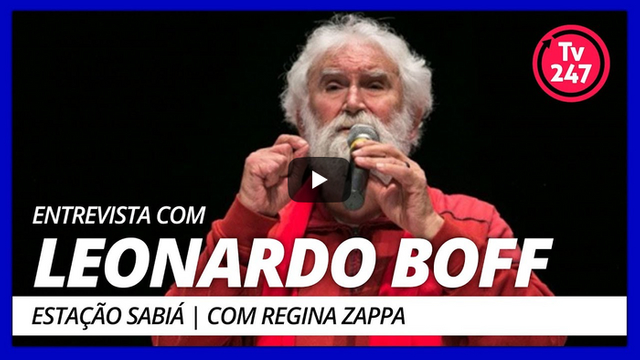
Categoria: Teologia
Papa Francisco: um desvio e uma devastação da natureza poderão levar à morte da humanidade
Numa entrevista publicada no La Stampa de 9 de agosto de 2019 o Papa deu uma longa entrevista com o título: :”O soberanismo me assusta e a Amazônia é decisiva para o futuro da humanidade”. Recolhemos alguns tópicos, importantes para a nossa situação no Brasil (Ela se encontra inteira no IHU de 10 de agosto).
As afirmações do Papa são fortes e chega a falar até da possibilidade da morte da humanidade. Aborda o tema tão central para nós, o da Amazônia, irresponsavelmente tratado pelo atual Governo, sem noção do que ela significa para o futuro da vida e do nosso próprio futuro. A inteligência do ex-Capitão é incapaz de elevar-se a semelhante voo. Mas não deixaremos que a entregue à ganância dos poderosos do mundo que buscam riqueza ilimitada e não meios de salvaguardar a vida para todos, também para eles e para a vasta comunidade de vida. Lboff
*****************
Quais são os perigos do soberanismo?
O soberanismo é uma atitude de isolamento. Estou preocupado porque se ouvem discursos que se assemelham aos de Hitler em 1934. “Primeiro nós. Nós… nós…”: são pensamentos que dão medo. O soberanismo é fechamento. Um país deve ser soberano, mas não fechado. A soberania deve ser defendida, mas também devem ser protegidas e promovidas as relações com os outros países, com a Comunidade Europeia. O soberanismo é um exagero que sempre acaba mal: leva às guerras.
E os populismos?
A mesma coisa. No início, eu custava a compreendê-lo porque, estudando Teologia, eu aprofundei o populismo, isto é, a cultura do povo: mas uma coisa é que o povo se expresse, outra é impor ao povo a atitude populista. O povo é soberano (têm um modo de pensar, de se expressar e de sentir, de avaliar). Ao contrário, os populismos nos levam a soberanismos: esse sufixo, “ismos”, nunca é bom.
Atravessemos idealmente o oceano e pensemos na América do Sul. Por que o senhor convocou um Sínodo sobre a Amazônia em outubro, no Vaticano?
Ele é “filho” da Laudato si’. Quem não a leu nunca entenderá o Sínodo sobre a Amazônia. A Laudato si’ não é uma encíclica verde, é uma encíclica social, que se baseia em uma realidade “verde”, a proteção da Criação.
Existe algum episódio significativo para o senhor?
Há alguns meses, sete pescadores me disseram: “Nos últimos meses, recolhemos seis toneladas de plástico”. Outro dia, eu li sobre uma enorme geleira na Islândia que derreteu quase totalmente: construíram um monumento fúnebre para ele. Com o incêndio da Sibéria, algumas geleiras da Groenlândia derreteram, em toneladas. As pessoas de um país do Pacífico estão se deslocando, porque, daqui a 20 anos, a ilha em que vivem não existirá mais. Mas o dado que mais me chocou é outro ainda.
Qual?
O Overshoot Day: no dia 29 de julho, esgotamos todos os recursos regeneráveis de 2019. A partir de 30 de julho, começamos a consumir mais recursos do que aqueles que o planeta consegue regenerar em um ano. Isso é gravíssimo. É uma situação de emergência mundial. E o nosso sínodo será de urgência. Mas atenção: um sínodo não é uma reunião de cientistas ou de políticos. Não é um Parlamento: é outra coisa. Ele nasce da Igreja e terá uma missão e uma dimensão evangelizadoras. Será um trabalho de comunhão guiado pelo Espírito Santo.
O Overshoot Day: no dia 29 de julho, esgotamos todos os recursos regeneráveis de 2019. A partir de 30 de julho, começamos a consumir mais recursos do que aqueles que o planeta consegue regenerar em um ano. Isso é gravíssimo.
Mas por que se concentrar na Amazônia?
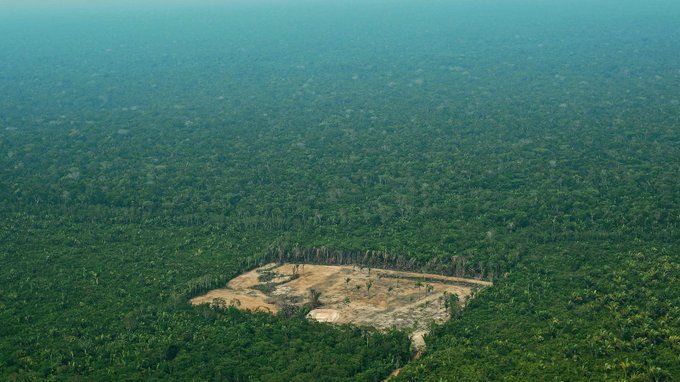
É um lugar representativo e decisivo. Junto com os oceanos, ele contribui de modo determinante para a sobrevivência do planeta. Grande parte do oxigênio que respiramos vem de lá. É por isso que o desmatamento significa matar a humanidade. Além disso, a Amazônia envolve nove Estados, portanto não diz respeito a uma única nação. E eu penso na riqueza da biodiversidade amazônica, vegetal e animal: é maravilhosa.
No Sínodo, também se discutirá a possibilidade de ordenar “viri probati”, homens idosos e casados que possam remediar a falta de clero. Será um dos temas principais?
Absolutamente não: é simplesmente um número do Instrumentum laboris (o documento de trabalho). O importante serão os ministérios da evangelização e os diversos modos de evangelizar.
É uma situação de emergência mundial. E o nosso sínodo (sobre a Amazônia) será de urgência –Papa Francisco.
Quais são os obstáculos para a salvaguarda da Amazônia?
A ameaça da vida das populações e do território deriva de interesses econômicos e políticos dos setores dominantes da sociedade.
Então, como a política deve se comportar?
Eliminar as próprias conivências e corrupções. Ela deve assumir responsabilidades concretas, por exemplo sobre o tema das minas a céu aberto, que envenenam a água provocando tantas doenças. Depois, há a questão dos fertilizantes.
Santidade, o que o senhor mais teme pelo nosso planeta?
O desaparecimento das biodiversidades. Novas doenças letais. Um desvio e uma devastação da natureza que poderão levar à morte da humanidade.
Entrevê alguma conscientização sobre o tema do ambiente e das mudanças climáticas?
Sim, particularmente nos movimentos de jovens ecologistas, como o liderado por Greta Thunberg, “Sextas-feiras pelo Futuro”. Eu vi um cartaz deles que me chamou a atenção: “Nós somos o futuro!”.
A nossa conduta cotidiana – coleta seletiva, atenção para não desperdiçar água em casa – pode incidir ou é insuficiente para combater o fenômeno?
Incide, e como!, porque se trata de ações concretas. E, depois, acima de tudo, cria e difunde a cultura de não sujar a criação.
El Cristo cósmico y los muchos “Cristos” en la historia
El proceso de planetización ha puesto a las religiones en contacto unas con otras y ha mostrado cómo podemos ser religiosos de las más diferentes formas. Esta situación nueva plantea la cuestión referente a la figura de Jesús, a quien se cree Cristo y salvador universal. ¿Cómo situar a Jesús al lado de otros, considerados por sus pueblos como portadores también de salvación?
El Cristianismo no es una cisterna de aguas muertas o un fosil del pasado. Tiene la naturaleza de un organismo vivo que crece y se enriquece en diálogo con lo diferente. Ahora tiene la oportunidad de revelar virtualidades hasta hoy latentes. Debe mostrarse no un problema sino una cosa buena para toda la humanidad.
Queremos concentrarnos en la significación del Cristo cósmico. Él es visto como algo dado que se estaba formando lentamente dentro del cosmos. Se densificó en el hombre Jesús de Nazaret. Todos los fatores se articularon para que eso aconteciera. Si asi no fuera, no estariamos aqui hablando de esta realidad. ¿Pero el Cristo cósmico agotó en él todas sus virtualidades o bien otras figuras pueden ser también expresiones de este Cristo cósmico que está dentro de la creación?
Actualmente nos estamos acostumbrando cada vez más a entender todos los fenómenos como emergencias del universo en evolución. Así, las figuras de Jesús, Sidarta Gautama y otros, antes de aparecer en la historia humana, repitiendo, estaban en gestación dentro del universo. Todo el universo se organizó de tal manera que creó las condiciones para su formación y surgimiento. Lo que irrumpió en ellos no se convirtió en monopolio personal. Así podemos decir que el Jesús histórico emerge como una expresión singular del Cristo cósmico presente en el proceso de la evolución. El Jesús histórico no agotaría todas las formas posibles de manifestación del Cristo cósmico. Algo similar ocurre con Sidarta Gautama en la forma de Buda.
Pertenece a la comprensión cristiana decir: todo ser humano ha sido tocado por el Hijo de Dios encarnado. Lo que se atribuye a Jesús, por tener nuestra naturaleza, se puede atribuir de una manera propia a cada ser humano, formado a lo largo de millones de años de historia cósmica.
Concretamente, en él y en Buda están presentes todas las energías y los elementos fisicoquímicos que se forjaron en el corazón de las grandes estrellas rojas antes de que explotaran y lanzaran por todo el universo tales elementos, como fósforo, calcio, hierro y otros.
Dado que el universo no solo tiene exterioridad sino también interioridad, a raiz de las conexiones de todos con todos, podemos decir que la profundidad psíquica de ellos está habitada por los movimientos más primitivos del inconsciente colectivo con sus arquetipos ancestrales.
Sin estas determinaciones no serían tan concretos como lo fueron. Detengámonos brevemente en la figura de Jesús, pues él forma parte de nuestro hogar espiritual.
Pierre Teilhard de Chardin (+1955) vio la inserción cósmica de Jesús, llamado Cristo, y acuñó el término “crístico” distinguiéndolo de “cristiano”. Lo “crístico” es un dato objetivo de la creación en evolución. Cuando llega a la conciencia en el hombre Jesús, lo “crístico” se convierte en “cristiano”, que es lo “crístico” concientizado. Emerge entonces como Cristo.
En otras palabras, el Jesús histórico no agota todas las posibilidades contenidas en lo “crístico”. Lo “crístico” irrumpió en Jesús, pero también puede surgir en otras figuras y se encuentra en la raíz de todo ser.
Para entender tales afirmaciones necesitamos aclarar la palabra “Cristo”. No es un nombre sino un adjetivo que se le atribuye a una persona. “Cristo” en griego o “Mesías” en hebreo significan “ungido”.
“Ungido” es la persona designada para realizar una misión particular. El rey, los profetas, los sacerdotes eran y son “ungidos” para desempeñar sus misiones específicas. Pero cada persona individual también es un “ungido” pues tiene su lugar en el plan divino. Jesús fue llamado el “Cristo-ungido” debido a su obra redentora y liberadora, realizada de manera ejemplar. En él ocurrió una densificación de lo “cristico”.
El budismo conoce un camino semejante. Primero existió Sidarta Gautama, el ser histórico que vivió seiscientos años antes del Jesús historico. A través de un proceso de internalización y ascesis llegó a la “iluminación”, que es una inmersión radical en el Ser. Luego comenzó a ser llamado “Buda”, que significa el “Iluminado”. Pero esta iluminación ―ser Buda―, no es monopolio suyo. Se ofrece a todos. Existe, por lo tanto, la “budeidad”, esa realidad radical que puede autocomunicarse de muchas maneras con las personas. Buda es una manifestación de la “budeidad”, que es la más pura luz, la esencia del Sin Nombre. Es un “ungido”.
Como podemos ver, el contenido concreto de “Cristo” y de “Buda” remite a la misma realidad “crística”. Ambos revelan al Ser que hace ser todo lo que existe. Sidarta Gautama es una manifestación del Cristo cósmico como lo es también Jesús de Nazaret. O Jesús de Nazaret es un “Iluminado” como Buda.
Expresiones singulares del Cristo cósmico o del “crístico” o de la Iluminación son. a su maners singular, figuras como Krishna, Francisco de Asís. Mahatma Gandhi, el Papa Juan XXIII, Mons. Helder Cámara, la Madre Teresa de Calcuta, la Hermana Dulce entre tantos y tantas. Ellos y ellas no agotan las posibilidades de esta sublime realidad “crística”. Ella se da en todos. Pero en estas personas ganó tal densidad que se convirtieron en referencias y arquetipos-guía para muchos.
El conocido maestro yogui de Brasil, Hermógenes, ya fallecido, sin caer en el sincretismo fácil, a partir de una profunda experiencia espiritual de unidad con el Todo, creó la siguiente fórmula como “Gloria al Uno”:
“Pedí la bendición a Krishna
y Cristo me bendijo.
Oré a Cristo y Buda me atendió.
Llamé a Buda y Krishna me respondió”.
Leonardo Boff es teólogo, filósofo y escribió El evangelio del Cristo cósmico, Trotta 2005.
Traducción de Mª José Gavito Milano

O Cristo cósmico e os muitos “Cristos” na história
O processo de planetização, colocou as religiões em contacto uma com as outras e mostrou como podemos ser religiosos das mais diferentes formas. Esta situação nova coloca a questão referente à figura de Jesus, crido como Cristo e salvador universal. Como situar Jesus ao lado de outros, considerados por seus povos também como portadores de salvação?
O Cristianismo não é uma cisterna de águas mortas. Ele possui a natureza de um organismo vivo que cresce e se enriquece em diálogo com o diferente. Ele tem agora a oportunidade de revelar virtualidades até hoje latentes. Deve mostrar-se não um problema uma coisa boa.
Queremos nos concentrar na relevância do Cristo cósmico. Ele é visto como dado que está se formando lentamente dentro do cosmos. Ele se densificou no homem Jesus de Nazaré. Mas esgotou nele todas as suas virtualidades ou outras figuras podem ser também expressões deste Cristo cósmico que está inserido na criação?
Mais e mais estamos atualmente nos acostumando a entender todos os fenômenos como emergências do universo em evolução. Assim as figuras de Jesus, de Sidarta Gautama e de outros e outras, antes de surgirem na história humana, estavam em gestação dentro do universo. O universo inteiro se organizou de tal forma que criou as condições de sua formação e emergência. O que irrompeu neles não se transformou em monopólio pessoal. Assim podemos dizer que o Jesus histórico surge como uma expressão singular do Cristo cósmico presente no processo da evolução. O Jesus histórico não esgotaria todas as formas possíveis das manifestações do Cristo cósmico. Algo semelhante vale para Sidarta Gautama.
Pertence à compreensão cristã dizer: cada ser humano foi tocado pelo Filho de Deus encarnado. O que se atribui a Jesus, por ter a nossa natureza, pode ser atribuído,sob uma forma própria, a cada ser humano,formado ao longo de milhões de anos de história cósmica.
Concretamente, nele e em Buda estão presentes todas as energias e os elementos físico-químicos que se forjaram no coração das grandes estrelas vermelhas antes de explodirem e de lançarem tais elementos pelo universo afora como o fósforo, o cálcio, o ferro e outros .
Como o universo não possui apenas exterioridade mas também interioridade podemos dizer que a profundidade psíquica deles vem habitada pelos movimentos mais primitivos do inconsciente coletivo com seus arquétipos ancestrais.
Sem estas determinações eles não seriam concretos como foram. Detenhamo-nos rapidamente na figura de Jesus pois ele é de nosso lar espiritual.
Pierre Teilhard de Chardin (+1955) viu a inserção cósmica de Jesus, chamado de Cristo e cunhou o termo “crístico” em distinção do “cristão”. O “crítico”é um dado objetivo da criação em evolução. Quando chega à consciência no homem Jesus, o “cristico” se transforma em “cristão” que é o “crístico” conscientizado.
Em outras palavras, o Jesus histórico não esgota em si todas as possibilidades contidas no “crístico”. O “crístico” irrompeu em Jesus mas pode emergir também em outras figuras e se encontra na raiz de todo o ser.
Para entender tais afirmações precisamos esclarecer a palavra “Cristo”. Não é um nome, mas um adjetivo que se atribui a uma pessoa. “Cristo” em grego ou “Messias” em hebraico significam o “ungido”.
“Ungido” é aquela pessoa assinalada para desempenhar uma determinada missão. O rei, os profetas, os sacerdotes eram “ungidos”, para desempenharem suas missões específicas. Mas cada pessoa individual é também um “ungido” pois tem o seu lugar no desígnio divino. Jesus foi chamado de “Cristo-ungido” por causa de sua obra redentora e libertadora, realizada de forma exemplar.
O budismo conhece semelhante caminho. Em primeiro lugar existe Sidarta Gautama, o ser histórico que viveu seiscentos anos antes de Cristo. Mediante um processo de interiorização e ascese chegou à “iluminação” que é um mergulho radical no Ser. Começou então a ser chamado de “Buda” que significa o “Iluminado”. Mas essa iluminação – ser Buda – não é o monopólio dele. Ela é oferecida a todos. Existe, portanto, a “budeidade”, aquela realidade radical que pode se autocomunicar de muitas formas às pessoas. O Buda é uma manifestação da “budeidade” que é a mais pura luz, a essência do Inominável. É um “ungido”.
Como transparece, o conteúdo concreto de “Cristo” e de “Buda” remete à mesma realidade “crística”. Ambos revelam o Ser que faz ser tudo o que é. Sidarta Gautama é uma manifestação do Cristo cósmico como o é também Jesus de Nazaré. Ou Jesus de Nazaré é um “Iluminado” como Buda.
Expressões singulares do Cristo cósmico ou da Iluminação são figuras como Krishna, Francisco de Assis. Mahatma Gandhi, o Papa João XXIII, Dom Helder Câmara, Madre Teresa de Calcutá, Irmã Dulce entre tantos e tantas. Eles e elas não esgotam as possibilidades desta sublime realidade “crística”. Ela se dá em todos. Mas neles ganharam tal densidade que se transformaram em referências e arquétipos orientadores para muitos.
O conhecido mestre yogui do Brasil, Hermógenes, já falecido, sem cair no sincretismo fácil mas a partir de uma profunda experiência espiritual de unidade com o Todo criou a seguinte fórmula como “Glória ao Uno”:
“Pedi a benção a Krishna. E o Cristo me abençoou.Orei ao Cristo. E foi Buda que me atendeu.Chamei por Buda.E foi Krishna que me respondeu”.
Leonardo Boff é teólogo, filósofo e escritor.
 Leonardo Boff