“Dos Papas”: el encuentro personal derriba muros ideológicos y redescubre lo humano
Leonardo Boff*
Así como Brasil no es para novatos, de la misma forma, la película Dos Papas no es para principiantes. Demanda conocimientos de teología y del debate existente hace más de 50 años sobre qué modelo de Iglesia sería el más adecuado, considerando el destino común Tierra y Humanidad y las perversas desigualdades sociales a nivel mundial.
La película está siendo ampliamente discutida. Hay razones en pro, otras en contra, y varias de ellas suponen intereses ocultos de su productor Fernando Meirelles, lo que me parece prejuicioso. Muchas críticas a la película (la mayoría la ven con anteojos ideológicos sin limpiarlos antes) muestran lo que en filosofía se llama ignoratio elenchi (ignorancia del asunto), lo que dificulta un juicio serio y más justo de la película en cuestión. Aunque ya he escrito sobre ella, retomo el discurso para profundizar en algunas de las cuestiones subyacentes a Dos Papas y así apreciarla mejor.
Un lugar privilegiado de observación
Tengo que confesar, sin ninguna pretensión, que estoy en un lugar privilegiado de observación porque he podido conocer a ambos personajes, Joseph Raztinger y Jorge Mario Bergoglio. Esto me permite juzgar con otros criterios la película Dos Papas.
Con referencia al Papa Benedicto XVI por la amistad que tuvimos y por el hecho de que, como cardenal Presidente de la Congregación para la Doctrina de la Fe (ex Inquisición), tuvo la ingrata misión institucional de interrogarme en un proceso doctrinal ―por el cual pasaron personas notables como Galileo Galilei, Giordano Bruno y otros― sobre mi libro Iglesia: carisma y poder. Él actuó de acuerdo con el rito prescrito para el Gran Interrogador (anteriormente el Gran Inquisidor) con la seriedad y competencia requeridas. Y yo, como interrogado, debía responder a las acusaciones hechas al libro (no a mí como persona) de la manera más convincente posible. Cada uno estaba en su posición institucional, pero eso no significaba romper los lazos de aprecio mutuo y amistad. No los rompimos. Tanto él como yo supimos distinguir las diferentes esferas. Mi defensa, después del interrogatorio, no les pareció a los 13 cardenales votantes suficientemente convincente. Así que recibí varias sanciones, la mayor de ellas fue el “silencio obsequioso”.
Creo que Benedicto, al frente de la Iglesia, se comportó más como un teólogo académico alemán (escribió varios libros como Papa) que como Guía de una comunidad de más de mil millones de fieles. Esta misión era, a mi modo de ver, ajena a su carácter. Él realmente quería ser un teólogo, no un jefe del Estado Vaticano.
Con referencia al Papa Francisco, nos conocimos como teólogos en 1972 en una reunión organizada por la Confederación Latinoamericana de Religiosos (CLAR) en el Colegio Máximo jesuita de San Miguel, en las afueras de Buenos Aires. Él guardó la foto de la reunión y, como Papa, tuvo la amabilidad de enviármela y recordarme que habíamos hablado de la hermenéutica francesa moderna, cosa que yo había olvidado por completo.
Al elaborar la encíclica ecológica Laudato Si: sobre el cuidado de la Casa Común (2015), le ofrecí colaboración, prontamente aceptada, ya que él sabía que yo había estado escribiendo durante años sobre el tema, ampliando el horizonte de la Teología de la Liberación. El eje de este tipo de teología es “la opción no excluyente por los pobres contra su pobreza, a favor de la justicia social y su liberación”. Dentro de los diversos tipos de pobres ―pensaba y pienso yo― deberíamos incluir al Gran Pobre, el más explotado de todos, la Tierra viva, sin cuya preservación se invalidaría cualquier otro proyecto. De ahí nació una vigorosa eco-teología de la liberación. El Papa Francisco se dio cuenta de esta centralidad y atendió la solicitud de muchos teólogos que, junto conmigo, le hicimos este llamamiento.
Ignorar este núcleo central de la Teología de la Liberación, la opción preferencial por los pobres, y atribuirlo al marxismo es incurrir en ignoratio elenchi referido arriba, y reproducir la narrativa de los dictadores militares de Chile, Argentina, Brasil y El Salvador. Esto se repite todavía hoy en grupos conservadores y reaccionarios, incluso ocupando altos cargos del gobierno actual de Brasil.
Bergoglio, sin ser profético, salvó a muchos perseguidos
No voy a abordar el tema de la relación del Papa Francisco con la dictadura militar argentina. El Premio Nobel de la Paz Adolfo Pérez Esquivel, quien también fue víctima de tortura, dio su testimonio cabal a los críticos más duros, presentando incluso la larga lista de los salvados por la acción del entonces superior jesuita y más tarde cardenal de Buenos Aires Jorge Mario Bergoglio. Lo máximo que podemos conceder es que él no era una figura profética, como lo fueron los obispos Novak, Angelleli, Esaine y otros. Pero nunca colaboró ni tuvo connivencia con el sistema de opresión y liquidación de los opositores del régimen, de los más crueles de América Latina. Su estilo era otro, actuar en silencio, pero valientemente.
Como Papa Francisco, recibí de él algunas cartas agradeciéndome los materiales que le había enviado. Y sigo enviándole otros a través de uno de sus secretarios (no vía la Curia porque existe el riesgo de que nunca se los entreguen). Casi siempre responde. La última me llenó de satisfacción, porque le había escrito que en el texto final del Sínodo Panamazónico de 2019 se estaba incurriendo en el cristomonismo (solo Cristo), olvidando en gran medida la figura del Espíritu Santo. Este, argumentaba yo, llega siempre antes que el misionero, pues encuentra en los pueblos a evangelizar el amor, la solidaridad, el perdón y otros valores humanos que forman el núcleo del mensaje de Jesús. Me dio las gracias por el comentario y dijo que lo usaría. Para mi sorpresa, en su discurso a los cardenales de la Navidad de 2019 afirmó que alguien le dijo que el misionero es esperado por el Espíritu Santo cuando llega al país de misión, porque Él ya estaba presente allí por el amor y por los demás valores humanos.
Dato curioso: un Papa no solo vive predicando; necesita cierta distensión, beber mate por la mañana y también cultivar el humor. Así que sigue y anima a su equipo de fútbol el San Lorenzo y adora la música folclórica argentina, que me parece excelente, especialmente Mercedes Sosa con la que trabajamos juntos para hacer la Carta de la Tierra. Le envié al Papa, para distraerlo un poco, un mensaje de texto de San Francisco en el que aconsejaba a los frailes que dejaran una parte del huerto sin cultivar para que crecieran las hierbas silvestres, porque a su modo también alaban a Dios. El Papa Francisco puso este punto de humor en la encíclica, en el número 12.
La gran pregunta subyacente en la película Dos Papas
¿Cuál es la gran pregunta detrás de la película Dos Papas? No entenderla significa no entender la película en profundidad. Se trata de presentar dos modelos de Iglesia: uno bien retratado por el Papa Benedicto XVI y el otro por el Cardenal Bergoglio, luego Papa Francisco. Además, perfilar dos formas diferentes de ser humano, de realizar cada uno su humanidad.
Cabe destacar que los diálogos no son meramente inventados. Quienes conocen la teología de ambos identifica pronto lo que escribieron o dijeron públicamente. Corresponden a su respectiva visión de la Iglesia. Es su punto de verdad.
El modelo de Iglesia de Benedicto XVI: Vuelta a la Gran Disciplina
El modelo de la Iglesia de Benedicto XVI es el de la Iglesia tradicional, cuya edad de oro fue la Edad Media, que culminó en el Concilio de Trento (1545-1563) y en el Concilio Vaticano I (1869-1870). Este modelo tiene como eje articulador el poder sagrado (sacra potestas), piramidal y desigualmente distribuido (los laicos abajo no participan en este poder), en cuya cabeza está el Papa, infalible en materia de doctrina y moral, con un poder “ordinario, supremo, pleno, inmediato y universal” (canon 331). Si tachamos la palabra Papa y ponemos Dios, vale ad litteram. ¿Puede un ser humano siempre limitado presentarse con un poder ilimitado, no siendo Dios? Los cristianos siguen se preguntando.
Este modelo fue esencial en la configuración de Europa, lo que resultó en la responsabilidad de las más altas autoridades de la Iglesia de defenderlo para preservar la identidad de Europa y la cultura europea, que se globalizó. Este modelo creó los instrumentos de su reproducción, la teología manualista, el estilo apologético, especialmente, el estatuto de los seminarios, que no existían antes. Allí se formaron los candidatos al sacerdocio, en una perspectiva agresiva y defensiva contra las Iglesias reformadas y contra los nuevos enemigos: los dos iluminismos. El primer iluminismo, más teórico, con su espíritu crítico contra todo autoritarismo, el contrato social y la introducción de las libertades civiles y los derechos de los ciudadanos. Y el segundo iluminismo, más práctico y transformador: el socialismo y el marxismo. Ante esta realidad cambiada, la reacción vino bajo el lema: “Vuelta a la Gran Disciplina“. En otras palabras, tratar de restaurar la síntesis medieval bajo la égida del factor religioso y orientado moralmente por la Iglesia.
Juan Pablo II vio que en Polonia (semper fidelis), ocupada por marxistas ateos, la Iglesia era la gran fuerza de oposición, resistencia y reafirmación de la identidad polaca, profundamente católica. Al ser elegido Papa, llevó esta misión a toda la Iglesia. Encuadró las diferentes tendencias para conseguir una Iglesia unida contra dos enemigos fuertes: el marxismo ateo, que conocía por experiencia personal, y la modernidad, que desplazó a Dios del centro de la sociedad y en su lugar colocó la sacralidad de la persona y sus derechos. La modernidad y la posmodernidad se presentan como seculares (no secularistas), defensoras de las libertades de conciencia, de religión, de cultura y de los derechos de todos.
Innegablemente carismático, hasta el punto de galvanizar multitudes, la visión de Iglesia del Papa Juan Pablo II fue, sin embargo, muy conservadora. Las innovaciones del Concilio Vaticano II (1962-1965) que ajustaron el ritmo de la Iglesia con el mundo moderno se relativizan y reinterpretan desde el poder sagrado, concentrado en él, el Papa, y en la jerarquía eclesiástica. Generó una mentalidad temerosa e incluso negativa frente a los avances del mundo moderno, una iglesia cual castillo asediado por enemigos que supuestamente quieren destruirla.
Sus seguidores (varios movimientos conservadores como el Opus Dei, Soldados de Cristo, Comunión y Liberación entre otros) constituyen la base eclesial y social que sustentó su proyecto de Iglesia. Encontró en el cardenal Joseph Ratzinger (en Alemania se mostraba progresista), un teólogo que se convirtió a la línea de Juan Pablo II y en un fervoroso guardián de la ortodoxia. A pesar de su finura, mostró posiciones severas contra los críticos de ese modelo conservador de Iglesia.
Se señaló especialmente a la Teología de la Liberación, que se interpretó como una especie de caballo de Troya, a través del cual el marxismo penetraría en América Latina. Es necesario defender al pueblo, manteniendo esta corriente teológica bajo estricta vigilancia, se argumentaba en el Vaticano, repercutiendo en muchos de sus seguidores, cardenales, obispos, teólogos, sacerdotes, religiosos e incluso laicos. Esta estrategia se mantuvo e incluso se reforzó cuando se convirtió en Papa Benedicto XVI.
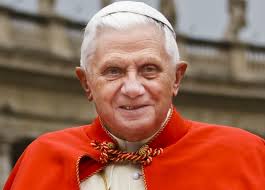
En la película, el Papa Benedicto XVI representa este tipo de Iglesia que tiene su lógica y coherencia, pero que va en contra del curso global del mundo. No tenía ninguna posibilidad de prosperar porque la Iglesia era más una cisterna de aguas muertas que una fuente de aguas vivas. Decepcionaba a muchos creyentes hasta el punto de que muchos abandonaron la Iglesia. Cuando el Papa Benedicto XVI se dio cuenta de que la atmósfera interna de la iglesia en general y del Vaticano en particular había sido envenenada por los delitos de pedofilia, estafas financieras dentro del Banco del Vaticano e incluso la prostitución de altos prelados de la Curida Pontificia, sintió que su fuerza se debilitaba. “Hay que cambiar todo eso”, dice claramente en la película. Reafirmó que no merecía permanecer sentado en la catedra de Pedro sin la energía suficiente para los cambios necesarios. Y en un gesto noble y desprendido, renunció.
Papa Francisco: la Teología de la Liberación llega al centro de la Iglesia

Con el Papa Francisco comienza un nuevo estilo de ejercer el pontificado y se proyecta un modelo de la Iglesia muy diferente del tradicional. La Iglesia en América Latina ha sido siempre una Iglesia-espejo de la europea. Poco a poco, sin embargo, se fue liberando hasta convertirse en una Iglesia-fuente: con un estilo diferente de vivir la fe, encarnada en las culturas locales, indígenas, afrodescendientes y populares. Creó su perfil de una Iglesia pobre y despojada con su propia teología, bajo el nombre de Teología de la Liberación. Por supuesto, todavía hay partes de la Iglesia-espejo ligadas al estilo tradicional de ser sacerdote y de organizar las diócesis y las parroquias. Pero no es por ese estilo por el que el cristianismo latinoamericano ha atraído la atención del mundo, sino gracias a su compromiso con los pobres, contra los regímenes dictatoriales y contra las torturas sistemáticas a presos políticos y a presos comunes y defensa de los derechos humanos. Famoso se hizo el Cardinal de São Paulo, Paulo Evaristo Arns.
Con el Papa Francisco comienza un nuevo estilo de ejercer el pontificado.El Concilio Vaticano II trató de la Iglesia dentro del mundo moderno, del mundo desarrollado y se reconcilió con él. En América Latina, los obispos en las diversas asambleas continentales (Medellín, Puebla, Aparecida) se dieron cuenta de que este mundo desarrollado es la principal causa de opresión de las grandes mayorías de América Latina, indígenas humillados, masas abandonadas, clases oprimidas y mujeres sometidas.
La pregunta en América Latina es otra: ¿cuál es el lugar de la Iglesia dentro del submundo, del mundo subdesarrollado? Llegaron a la conclusión de que su misión es una evangelización liberadora. Liberar a los pobres que gritan es un gesto evangélico y al mismo tiempo político. La liberación debe hacer del pobre el protagonista de su propia liberación a partir del capital simbólico de su fe. Esto requiere un proceso de concientización y de organización al que Paulo Freire, quien siempre se entendió como uno de los fundadores de la Teología de la Liberación, ayudó enormemente en la pastoral de las Iglesias. De esta manera surgió un cristiano consciente y simultáneamente un ciudadano crítico y participante.
La liberación exige un método por el cual el oprimido extroyecta al opresor que lleva dentro de sí, para ser libre y probar otro tipo de sociedad liberada, donde el amor y la convivencia fraterna no sean tan difíciles. No hay opción para los pobres y su liberación sin amar primero a estos pobres, su forma de ser, su cultura y finalmente asociarse como aliados secundarios con sus luchas. Esta opción costó la vida a muchos sacerdotes, religiosas, agentes pastorales laicos, e incluso a dos obispos, Angelleli de Argentina y Oscar Arnulfo Romero de El Salvador, hoy santificado. Es una iglesia que tiene muchos mártires.
El Papa Francisco fue educado cuando era estudiante de teología en el Colegio Máximo en San Miguel en este conjunto de visiones. Las incorporó. Como cardenal, renunció al palacio cardenalicio, al automóvil oficial, a los privilegios de su cargo. Usaba el autobús y el metro y caminaba mucho a pie por las “villas miseria” de Buenos Aires. Vivía en un pequeño apartamento y cocinaba su propia comida.
Cuando llegó a Roma y fue elegido Papa, introdujo esta revolución de hábitos en los antiguos edificios lujosos y renacentistas de la Ciudad del Vaticano. Decidió vivir en una casa de huéspedes y hace fila para comer, como todos los demás.
Su modelo de Iglesia es, como él mismo lo define: “una Iglesia en salida permanente” de sí misma hacia el mundo, los pobres, los refugiados y las periferias existenciales. Es equivalente a un hospital de campaña, abierto para atender a todos. Denuncia, como ninguno de los papas anteriores, a los productores de desigualdades y de injusticias en el mundo: los adoradores del dinero, los especuladores, los enemigos de la vida y de la Madre Tierra, a la que devastan debido a su afan de acumulación. No usa la palabra capitalismo, pero todos entienden a qué se refiere.
En su mensaje enfatiza: Jesús no vino a fundar una nueva religión, ya había muchas en el Imperio Romano. Él vino a crear el hombre nuevo y la mujer nueva . Él vino a enseñarnos a vivir el amor incondicional, la misericordia sin límites y la solidaridad a partir de los últimos En lugar de dogmas y doctrinas, que respeta, privilegia el encuentro vivo con Cristo, con las personas, especialmente las que son invisibles. Escandaliza a no pocos obispos al predicar, incluso exigiendo, una pastoral de la ternura en lugar del miedo al castigo eterno. La misericordia y su tonus rectus predicada siempre de nuevo viene acolitada por la empatía y el hambre y la sed de justicia. Se siente un hombre entre otros hombres.
Sospecho que creará una nueva genealogía de papas venidos del fin del mundo, donde vive la mayoría de los católicos. Solo el 25% se encuentra en Europa, el 52% en América y el resto en África y Oceanía. Hoy por hoy, el cristianismo es una “religión” de lo que una vez se llamó el “Tercer Mundo”, que un día tuvo su origen en el Primer Mundo. A través del “Tercer Mundo” pasa el futuro de la Iglesia Católica incluso en términos numéricos. Aquí es donde el cristianismo muestra sus virtualidades latentes, en la defensa de los pobres y el cuidado de la Casa Común. Un argumento más para que postulemos un Papa que venga desde donde la Iglesia se encarna en las culturas locales y despierta la esperanza en los condenados y ofendidos, desesperados por el hambre y la miseria.
Estos dos modelos de la Iglesia subyacen en los diálogos de la película Dos Papas. Se enfrentan entre sí. Pero lentamente se van alineando.
Cada uno de los papas tiene un peso en su conciencia: Bergoglio podría haber encontrado otra manera distinta de la institucional que tomó para salvar a los dos jesuitas que trabajaban en los barrios pobres y liberarlos del secuestro anunciado. Ambos sufrieron fuertes torturas. Uno de ellos, el padre Yorio, a quien conocí en Quilmes, en las afueras de Buenos Aires, no conseguía librarse del sentimiento de que había sido abandonado por su superior religioso. Pero trataba sinceramente de comprender los impasses por los que había pasado su superior, pero en los que, con creatividad, podría haber actuado de manera diferente. Este fue el peso que el Papa Francisco llevaba en su biografía.
Al Papa Ratzinger le pesaba en la conciencia el haber enviado una carta a todos los obispos, bajo secreto pontificio, para que no entregase a los sacerdotes pedófilos a la justicia civil con el fin de no empañar el buen nombre de la institución de la Iglesia. Debían confesar su pecado y ser trasladados a otro lugar. ¿Y las víctimas, los niños inocentes y sus familias cómo quedarían? Esto no fue suficientemente tomado en cuenta por el Papa Benedicto XVI.La pedofilia nos es solamente un pecado, es también y mucho más un crímen.
El punto culminante de la película es cuando ambos revelan el peso que llevan. Se abren y se dan recíprocamente la absolución. Ambos se sienten aliviados y reconciliados consigo mismos.
La ideología divide, el diálogo aproxima.
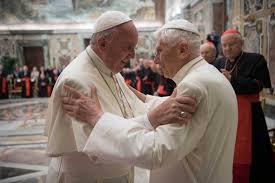
Estimo que uno de los propósitos principales de la película fue revelar la verdadera condición humana de ambos Papas: su dimensión de sombra y su dimensión de luz. Esta es la verdadera condition humaine de todo ser humano: somos sapiens y demens, sim-bólicos y dia-bólicos, amables y groseros. Y esto simultáneamente. ¡Ay de nosotros si reprimimos la dimensión sombría! Ella volverá furiosa. Tenemos que integrarla humildemente mientras le damos primacía a la dimensión de la luz. De lo contrario, evitamos el desarrollo de nuestra humanidad plena que incluye luz y sombra.
Pero hay momentos en que el horizonte desaparece: es la “noche oscura y terrible” de la que habla el místico San Juan de la Cruz, que ni siquiera perdona a los papas. La sutileza de la película también muestra esta dimensión angustiante. Los dos Papas no tienen certezas totales. Están en el camino de buscar más luz para poder caminar.
La película revela maravillosamente cómo, paso a paso, emerge la humanidad de uno y del otro. Aprendieron a escuchar, a dialogar y a tratar de comprender las diferencias. Lentamente, las discusiones van desapareciendo, a medida que la ideología separa y el encuentro une. Es entonces cuando irrumpe la verdadera humanidad en cada uno de ellos. Uno toca el piano, el otro tararea una canción de los Beatles. Finalmente, ya no actúan como papas. Son humanos, el hombre Joseph Ratzinger y el hombre Jorge Mario Bergoglio. Ensayan unos pocos pasos de tango, posibles para dos personas mayores. Es inimaginable que un erudito alemán como el profesor Ratzinger se entregue a la libertad corporal y de unos pasos de baile argentino.
Lo que une a las personas no son los acuerdos doctrinales. Estos permanecen en los documentos pero no llegan al corazón. El encuentro de las personas, cara a cara, los ojos en los ojos, transforma la realidad conflictiva en una realidad, a pesar de las diferencias, realmente reconciliada.
Tal vez esta sea la gran lección que derivamos de la película Dos Papas. En un mundo de odio, de desgarro de las ideologías, lo que nos llevará en la dirección correcta y a superar las debilidades de la existencia humana es y será siempre el rescate de nuestra humanidad entera, compleja y ambigua, ayudándonos uno al otro a desentrañar lo que está escondido en él y de lo cual solo tal vez nunca podrá ser liberado. Mas vale la filosofía africana de Ubuntu: “Yo solo soy yo a través de ti”.
El cristianismo como religión y camino de Jesús
Finalmente, cabe una reflexión para aquellos que encuentran difícil vivir la fe cristiana hoy. El cristianismo no nació como una iglesia constituida, sino como “el movimiento de Jesús” o “el camino de Jesús”, así lo relatan las fuentes originarias del Nuevo Testamento. Curiosamente en los Hechos de los Apóstoles se llama el cristianismo, en griego: “hairesis tou Christou“: la “herejía de Cristo”, es decir, “el grupillo de Cristo”. Solo más tarde en Antioquía pasó a ser llamado cristianismo.
Brevemente yo diria: el cristianismo aparece como religión visible y como ética humanitaria. Utilizando una metáfora: el cristianismo es similar a una bicicleta. La rueda delantera representa el cristianismo como religión, con ritos, celebraciones, misas, sacramentos y devoción a los santos. No todos se identifican hoy con esta forma de expresar la fe. Felices los que lo logran, porque el contacto con lo sagrado alimenta las dimensiones profundas e ignotas de nuestra psique, tan bien estudiadas por la escuela de C. G. Jung y sus discípulos.
Pero el cristianismo también puede expresarse a través de la rueda trasera. Es el cristianismo como ética, como una forma de ser que se guía por el sueño y la propuesta humanitaria de Jesús: la centralidad del amor, la empatía con los que sufren, la fidelidad a la verdad, el desapego de la acumulación obsesiva de bienes materiales y la capacidad de perdonar y de mostrar misericordia.
Este camino es el más original y significa una propuesta de vida, seguida por muchos incluso sin afiliarse a una confesión cristiana o seguir un camino religioso. Viven el sueño del Nazareno en medio de la mundanalidad del mundo. Son cristianos, no por la práctica religiosa, sino por la práctica de la ética de la transparencia, del amor, de la solidaridad a partir de los últimos, de la alegría de vivir en este hermoso y radiante planeta y de convivir aceptando las diferencias sin hacerlas desigualdades. Podemos ser humanos de tantas formas.
Creo que la película Dos Papas apunta más en esta dirección humanitaria: escuchar atentamente a los demás, apertura al diálogo y disposición a aceptar críticas y el deseo de cambiar.
Salimos más humanizados y espiritualizados después de ver la película Dos Papas. Solo por este efecto beneficioso valió la pena el esfuerzo de sus productores y actores para concebirlo y producirlo. Merecería un Oscar, por su mensaje actual y esperanzador que irradia, sin mencionar la deslumbrante belleza de sus imágenes y la música siempre adecuada a las escenas. Vale la pena ver la película Dos Papas para dejarse cuestionar por ella, enriquecer la manera propia de vivir humanamente y no en ultimo lugar, alimentar la espiritualidad.
*Leonardo Boff es teólogo, filósofo y ha escrito Francisco de Asís y Francisco de Roma, Mar de Ideias, Rio 2014 en español por Dabar,México 2015.
Traducción de Mª José Gavito Milano