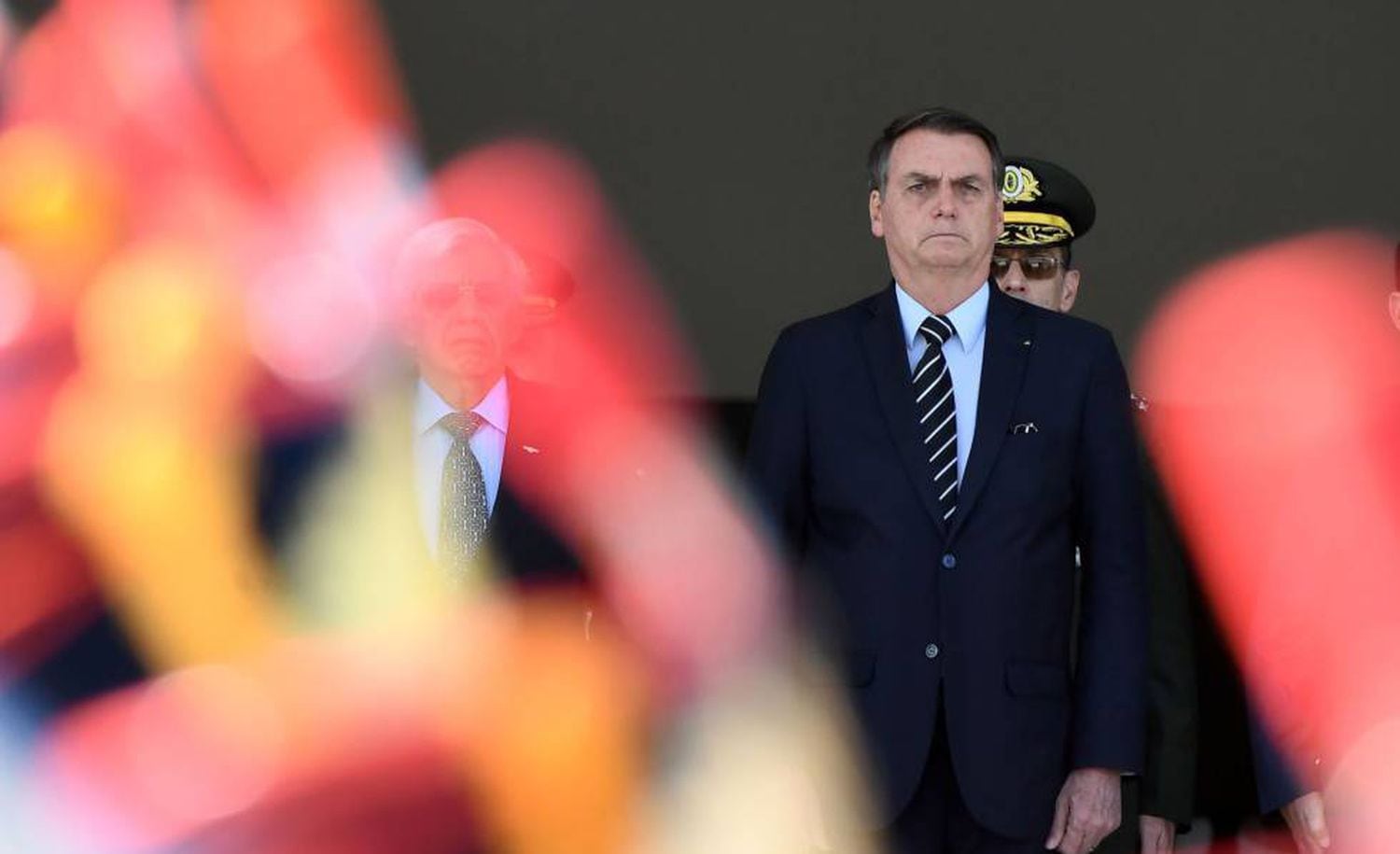
Jair Bolsonaro é um perverso. Não um louco, nomeação injusta (e preconceituosa) com os efetivamente loucos, grande parte deles incapaz de produzir mal a um outro. O presidente do Brasil é perverso, um tipo de gente que só mantém os dentes (temporariamente, pelo menos) longe de quem é do seu sangue ou de quem abana o rabo para as suas ideias. Enquanto estiver abanando o rabo – se parar, será também mastigado. Um tipo de gente sem limites, que não se preocupa em colocar outras pessoas em risco de morte, mesmo que sejam funcionários públicos a serviço do Estado, como os fiscais do IBAMA, nem se importa em mentir descaradamente sobre os números produzidos pelas próprias instituições governamentais desde que isso lhe convenha, como tem feito com as estatísticas alarmantes do desmatamento da Amazônia. O Brasil está nas mãos deste perverso, que reúne ao seu redor outros perversos e alguns oportunistas. Submetidos a um cotidiano dominado pela autoverdade, fenômeno que converte a verdade numa escolha pessoal, e portanto destrói a possibilidade da verdade, os brasileiros têm adoecido. Adoecimento mental, que resulta também em queda de imunidade e sintomas físicos, já que o corpo é um só.
É desta ordem os relatos que tenho recolhido nos últimos meses junto a psicanalistas e psiquiatras, e também a médicos da clínica geral, medicina interna e cardiologia, onde as pessoas desembarcam queixando-se de taquicardia, tontura e falta de ar. Um destes médicos, cardiologista, confessou-se exausto, porque mais da metade da sua clínica, atualmente, corresponde a queixas sem relação com problemas do coração, o órgão, e, sim, com ansiedade extrema e/ou depressão. Está trabalhando mais, em consultas mais longas, e inseguro sobre como lidar com algo para o qual não se sente preparado.
O fenômeno começou a ser notado nos consultórios nos últimos anos de polarização política, que dividiu famílias, destruiu amizades e corroeu as relações em todos os espaços da vida, ao mesmo tempo em que a crise econômica se agravava, o desemprego aumentava e as condições de trabalho se deterioravam. Acirrou-se enormemente a partir da campanha eleitoral baseada no incitamento à violência produzida por Jair Bolsonaro em 2018. Com um presidente que, desde janeiro, governa a partir da administração do ódio, não dá sinais de arrefecer. Pelo contrário. A percepção é de crescimento do número de pessoas que se dizem “doentes”, sem saber como buscar a cura.
Vou insistir, mais uma vez, neste espaço, que precisamos chamar as coisas pelo nome. Não apenas porque é o mais correto a fazer, mas porque essa é uma forma de resistir ao adoecimento. Não é do “jogo democrático” ter um homem como Jair Bolsonaro na presidência. Tanto como não havia “normalidade” alguma em ter Adolf Hitler no comando da Alemanha. Não dá para tratar o que vivemos como algo que pode ser apenas gerido, porque não há como gerir a perversão. Ou o que mais precisa ser feito ou dito por Bolsonaro para perceber que não há gestão possível de um perverso no poder? Bolsonaro não é “autêntico”. Bolsonaro é um mentiroso.
Podemos – e devemos – discutir como chegamos a ter um presidente que usa, como estratégia, a guerra contra todos que não são ele mesmo e o seu clã. Como chegamos a ter um presidente que mente sistematicamente sobre tudo. Podemos – e devemos discutir – como chegamos a ter um antipresidente. Assim como podemos – e devemos – perceber que a experiência brasileira está inserida num fenômeno global, que se reproduz, com particularidades próprias, em diferentes países.
Esse esforço de entendimento do processo, de interpretação dos fatos e de produção de memória é insubstituível. Mas é necessário também responder ao que está nos adoecendo agora, antes que nos mate.
Em 10 de julho, o psiquiatra Fernando Tenório escreveu um post no Facebook que viralizou e foi replicado em vários grupos de Whatsapp. Aqui, um trecho: “Acabei de atender a um homem de 45 anos, negro, sem escolaridade. Nos últimos cinco anos, viu seus colegas de setor serem demitidos um a um e ele passou a acumular as funções de todos. Disse-me que nem reclamou por medo de ser o próximo da fila. Tem sintomas de esgotamento que descambam para ansiedade. Qual o diagnóstico para isso? Brasil. Adoeceu de Brasil. Se eu tivesse algum poder iria sugerir ao DSM (o manual de transtornos mentais da psiquiatria) esse novo diagnóstico. Adoecer de Brasil é a mais prevalente das doenças. Entrei agora na Internet e vi que a reforma da previdência corre para ser aprovada sem sustos. O povo, adoecido de Brasil, permanece inerte. Vai trabalhar sem direito a aposentadoria até morrer de Brasil”.
Não há normalidade nem jogo democrático quando um perverso governa a partir da administração do ódio e da mentira
Alagoano da pequena Maribondo, Fernando Tenório fez residência e atuou na rede pública de saúde mental do Rio de Janeiro. Atualmente, mantém consultório na capital fluminense e atende trabalhadores de um sindicato do setor hoteleiro. O psiquiatra me conta, por telefone, que cresceu muito o número de pessoas que chegavam ao seu consultório com sintomas como taquicardia, desmaios na rua, sinais de esgotamento corporal, dores de cabeça frequentes, sentimentos depressivos. Eram pessoas que estavam objetiva e subjetivamente esgotadas pela precarização das condições de trabalho, como jornada excessiva, acúmulo de funções, metas impossíveis de cumprir, falta de perspectivas de mudança, insegurança extrema. Tinham um “trabalho de merda” e, ao mesmo tempo, medo de perder o “trabalho de merda”, como testemunharam acontecer com vários colegas.
O psiquiatra diz que ele mesmo se descobriu adoecido meses atrás. “Fiquei muito mal, porque me senti quase um traficante de drogas legais. Estava tratando uma crise, que é social, no indivíduo. E, de certo modo, ao dar medicamentos, estava tornando essa pessoa apta a sofrer mais, porque a jogava de volta ao trabalho.” Na sua avaliação, o adoecimento está relacionado à precarização do mundo do trabalho nos últimos anos, acentuada pela reforma trabalhista aprovada em 2017, e foi agravado com a ascensão de um governo “que declarou guerra ao seu povo”. “O Brasil hoje é tóxico”, afirma.
Após a publicação do post, Tenório sentiu ainda mais o nível da toxicidade cotidiana do país: recebeu xingamentos e ameaças. Um dos agressores lembrou que sua filha, cuja foto viu em uma rede social, um dia poderia ser estuprada. A menina é um bebê de menos de 2 anos.
“Tóxico” é palavra de uso frequente de brasileiros ao relatarem o sentimento de viver em um país onde já não conseguem respirar. Na constatação de que o governo Bolsonaro já aprovou 290 agrotóxicos em apenas sete meses, o envenenamento ganha uma outra camada. É como se os corpos fossem um objeto atacado por todos os lados. País que ultrapassou a possibilidade das metáforas, a toxicidade do Brasil abrange todas as acepções.
Cresce nos consultórios os casos de depressão provocados e alimentados pelo contexto político e social
Mas que adoecimento é este que Tenório chama de “doente de Brasil”? Um psicanalista que prefere não se identificar por temer represálias explica que aumentou muito nos consultórios os quadros depressivos provocados pelo momento vivido pelo Brasil, em que especialmente pessoas ligadas à esquerda, mas não necessariamente ao PT, sentem uma total perda de sentido e horizonte. “Para a psiquiatria, a depressão é a tristeza sem contexto. Ou seja, ela é relacionada à estrutura psíquica de cada pessoa, às fundações e alicerces construídos na infância”, explica. “O que temos vivido hoje nos consultórios é o aumento da depressão com contexto, esta que não tem a ver com a estrutura do indivíduo e que nem vai melhorar no divã. Esta em que o uso de medicamentos só vai servir para obscurecer o esclarecimento das questões. Esta que só pode ser sanada por mudanças sociais.”
O rompimento dos laços, como a divisão das famílias provocada pela polarização política, tornou as pessoas ainda mais sujeitas ao adoecimento mental e com menos ferramentas para lidar com ele. Como disse um filósofo, ninguém deixa de dormir porque está tendo uma guerra no outro lado do mundo, com exceção daqueles que vivem a guerra. Com isso, ele queria dizer que as pessoas perdiam o sono muito mais por pequenas dores e preocupações comezinhas com as quais se identificavam, como as relacionadas à família e ao mundo dos afetos, do que por enormes barbáries que ocorriam no outro lado do mundo.
O que os brasileiros testemunharam foi uma inversão: a política, que sempre foi algo do campo público, invadiu o campo privado, passando a ser um fator íntimo, um fator primeiro de identificação. Dias atrás uma amiga presenciou uma conversa em que duas garotas decidiam quais os critérios para dividir apartamento com uma outra. “Não suportaria dividir com uma petista”, disse uma delas. Essa conversa, exceto no caso de militantes mais radicais, dificilmente aconteceria anos atrás: ninguém costumava perguntar qual era a orientação política antes de dividir a casa com alguém.
A eleição, que costumava ser um acontecimento pontual, da esfera pública, tornou-se algo crucial na esfera privada. Do mesmo modo, o inverso também aconteceu. Questões íntimas, como a orientação sexual de cada um, como o que acontece na cama de cada um, passaram a ser discutidas publicamente. Esse fenômeno atingiu fortemente laços que cada um considerava incondicionais, como os familiares, laços com os quais se contava para enfrentar a dureza da vida. E acentuou ainda mais os quadros depressivos e persecutórios, aumentando ansiedade e angústia, corroendo a saúde.
O sofrimento é agravado pela constatação de que as instituições não barram a violência do governo e do governante
Uma psicanalista de São Paulo, que também prefere não se identificar, acredita que o adoecimento do Brasil de 2019 expressa a radicalização da impotência. As pessoas, hoje, não sabem como reagir à quebra do pacto civilizatório representada pela eleição de uma figura violenta como Bolsonaro, que não só prega a violência como violenta a população todos os dias, seja por atos, seja por aliar-se a grupos criminosos, como faz com desmatadores e grileiros na Amazônia, seja por mentir compulsivamente. Não sabem, também, como parar essa força que as atropela e esmaga. Sentem como se aquilo que as está atacando fosse “imparável”, porque percebem que já não podem contar com as instituições – constatação gravíssima para a vida em sociedade. E então passam a sentir-se como reféns – e, seguidamente, a atuar como reféns.
“Como reagimos à violência de alguém como Bolsonaro, que faz e diz o que quer, sem que seja impedido pelas instituições?”, questiona. “Toda a nossa experiência dá conta de que a vida em sociedade é regulada por instâncias que vão determinar o que pode e o que não pode, que têm o poder de impedir a quebra do pacto civilizatório, este pacto que permite que a gente possa conviver. Nesta experiência de que há um regulador, se uma pessoa é racista, ela vai ser processada – e não virar presidente do país. O que vivemos agora, com Bolsonaro, é a quebra de qualquer regulação. E isso tem um enorme impacto sobre a vida subjetiva. Ninguém sabe como reagir a isso, como viver numa realidade em que o presidente pode mentir e pode até mesmo inventar uma realidade que não corresponde aos fatos.”
A documentação das experiências de autoritarismo em diferentes épocas e países costuma relatar o sofrimento físico e psíquico das vítimas, mas geralmente em condições explícitas. Como, por exemplo, um judeu num campo de concentração nazista. Ou uma das mulheres torturadas no Doi-Codi, em São Paulo, durante a ditadura militar do Brasil (1964-1985). Perceber essa violência explícita como violência é imediato. O que a experiência autoritária do bolsonarismo tem demonstrado é o quanto pode ser difícil resistir (também) à violência do cotidiano, aquela que se infiltra nos dias, nos pequenos gestos, na paralisia que vira um modo de ser, nas covardias que deixamos de questionar.
O cotidiano de exceção tem se infiltrado e realizado em milhões de pequenos gestos de autocensura, silêncio e ausência no Brasil
Há milhares, talvez milhões de pequenos gestos de conformação acontecendo neste exato momento no Brasil. Em silêncio. Pequenos movimentos de autocensura, ausências nem sempre percebidas. Uma autora me conta que conseguiu manter seu livro no catálogo da editora sem usar a palavra sexualidade…. para falar de sexualidade. Uma diretora me diz que vestiu os corpos de suas atrizes, até então nuas, numa peça de teatro. A professora de uma das mais importantes universidades públicas do país me relata que muitos colegas já deixaram de analisar determinados temas em salas de aula por medo do “poder de polícia” dos alunos, que têm gravado as aulas e se comportado de forma ainda mais violenta que a polícia formal. Um curador de eventos preferiu não fazer o evento. Mudou de assunto. Outro deixou de convidar uma pensadora que certamente levaria bolsocrentes para a sua porta. Nunca saberemos o que poderia acontecer, porque o acontecimento foi impedido para não sofrer o risco de ser impedido.
Há tantos que já preferem “não comentar”. Ou que dizem, simpaticamente: “me deixa fora dessa”. É também assim que o autoritarismo se infiltra, ou é principalmente assim que o autoritarismo se infiltra. E é também assim que se adoece uma população por aquilo que ela já tem medo de fazer, porque antecipa o gesto do opressor e se cala antes de ser calada. E em breve talvez tenha medo também de sussurrar dentro de casa, num mundo em que os aparelhos tecnológicos podem ser usados para a vigilância. Chega o dia em que o próprio pensamento se torna uma doença autoimune. É assim também que o autoritarismo vence antes mesmo de vencer.
Um dos sintomas do cotidiano de exceção que vivemos é a colonização de nossas mentes. Mesmo pessoas que viveram a ditadura militar não têm recordação de algum momento da sua vida em que tenham pensado todos os dias no presidente da República. Bolsonaro administra o horror dos dias, com suas violências e mentiras, de um modo que o torna onipresente. Faça o teste: quantas horas você consegue ficar sem pensar em Bolsonaro, sem citar uma bestialidade de Bolsonaro? É isso o autoritarismo. Mas sobre isso poucos falam.
Bolsonaro encarna a vanguarda messiânica-apocalíptica do mundo
Se Bolsonaro encarna a vanguarda messiânica-apocalítica do mundo, é preciso sublinhar que os brasileiros não estão sós. Um amigo estrangeiro me conta que, desde que Donald Trump assumiu, a primeira coisa que ele faz ao acordar é conferir qual é a barbaridade que o presidente americano escreveu no Twitter, porque sente que isso afeta diretamente a vida dele. E afeta.
Mario Corso, psicanalista e escritor gaúcho, aponta que não é possível pensar no que ele chama de “ethos depressivo” deste momento fora do contexto do Ocidente. “Veja o Reino Unido. O novo primeiro-ministro (referindo-se ao pró-Brexit Boris Johnson) é um palhaço. E eles já tiveram Churchill!”, exemplifica. “O problema, no Brasil, é que além de toda a crise global, elegemos um cretino para presidente”, diz o psicanalista. “O que assusta é que não há freios para impedi-lo. E, assim, ele segue atacando os mais frágeis. Como Bolsonaro é covarde, ele não engrossa com os maiores que ele.”
Boris Johnson não chega a ser um Donald Trump. E nem Donald Trump chega a ser um Jair Bolsonaro. Mas a diferença maior está na qualidade da democracia. Tanto nos Estados Unidos quanto no Reino Unido, as instituições têm conseguido exercer o seu papel. No Brasil, não chega a ser perda total – ou não bastou (ainda) “um cabo e um soldado” para fechar o STF, como sugeriu o futuro possível embaixador do país nos Estados Unidos, Eduardo Bolsonaro, o garoto zerotrês. Mas a precariedade – e com frequência a omissão – das instituições – quando não conivência – são evidentes. “Enquanto Bolsonaro não consegue uma ditadura total, porque isso ele quer, mas ainda não conseguiu, ele antecipa a ditadura pelas palavras”, diz Corso. “Bolsonaro usa aquilo que você definiu como autoverdade para antecipar a ditadura. Os fatos não importam, o que ‘eu’ digo é o que é.”
“A guerra acontece quando a palavra, como mediadora, se extinguiu”
Para Rinaldo Voltolini, professor de psicanálise da Universidade de São Paulo, a autoverdade é a amputação da palavra no sentido pleno. “Este é um grande disparador do sofrimento das pessoas, ao constatarem que estão fora no nível mais importante. Não é que você está fora porque não tem uma casa ou um carro, hoje você está fora das possibilidades de leitura do mundo. O que você diz não tem valor, não tem sentido, não tem significado. É como se, de repente, você já não tivesse lugar na gramática”, diz o psicanalista. “O que é a guerra? A guerra acontece quando a palavra, como mediadora, se extinguiu. Isso acontece entre duas pessoas, entre países. Sem a mediação da palavra, se passa diretamente ao ato violento.
A autoverdade, como escrevi neste espaço, determinou a eleição de Bolsonaro. E seguiu moldando sua forma de governar pela guerra, o que implica a destruição da palavra. Assim, desde o início do governo, Bolsonaro tem chamado os órgãos oficiais de mentirosos sempre que não gosta do resultado das pesquisas. Como quando o Instituto Brasileiro de Geografia e Estatística mostrou que o número de desempregados tinha aumentado no seu governo.
Nos últimos dias, porém, o antipresidente levou a perversão da verdade, esta que torna a verdade uma escolha pessoal, à radicalidade. Decidiu que a jornalista Míriam Leitão não foi torturada – e ela foi. Insinuou que o pai do presidente da Ordem dos Advogados do Brasil teria sido executado pela esquerda, quando ele desapareceu por obra de agentes do Estado na ditadura militar. Decidiu que ninguém mais passa fome no Brasil – o que é desmentido não só pelas estatísticas como pela experiência cotidiana dos brasileiros. Decidiu que os dados que apontaram a explosão do desmatamento na Amazônia, produzidos pelo conceituado Instituto Nacional de Pesquisas Espaciais, eram mentirosos. Isso porque apenas no mês de julho de 2019 foi destruída uma área de floresta maior do que a cidade de São Paulo, e o índice de desmatamento foi três vezes maiores do que em julho do ano passado. E Bolsonaro decidiu ainda que “só os veganos que comem vegetais” se importam com o meio ambiente.
Bolsonaro controla o cotidiano porque fora de controle. Bolsonaro domina o noticiário porque criou um discurso que não precisa estar ancorado nos fatos. A verdade, para Bolsonaro, é a que ele quer que seja. Assim, além da palavra, Bolsonaro destrói a democracia ao usar o poder que conquistou pelo voto para destruir não só direitos conquistados em décadas e todo o sistema de proteção do meio ambiente, mas também para destruir a possibilidade da verdade.
O que vivemos não é mal-estar, mas horror
“Narrar a história é sempre o primeiro ato de dominação. Não é por acaso que Bolsonaro quer adulterar a história. A história da ditadura é construída por muitos documentos, é uma produção coletiva. Mas ele decide que aconteceu outra coisa e não apresenta nenhum documento para comprovar o que diz”, analisa Voltolini. “Não é que estamos vivendo o mal-estar na civilização. Isso sempre houve. A questão é que, para ter mal-estar é preciso civilização. E hoje, o que está em jogo, é a própria civilização. Isso não é da ordem do mal-estar, mas da ordem do horror.”
Como enfrentar o horror? Como barrar o adoecimento provocado pela destruição da palavra como mediadora? Como resistir a um cotidiano em que a verdade é destruída dia após dia pela figura máxima do poder republicano? Rinaldo Voltolini lembra um diálogo entre Albert Einstein e Sigmund Freud. Quando Einstein pergunta a Freud como seria possível deter o processo que leva à guerra, Freud responde que tudo o que favorece a cultura combate a guerra.
Os bolsonaristas sabem disso e por isso estão atacando a cultura e a educação. A cultura não é algo distante nem algo que pertence às elites, mas sim aquilo que nos faz humanos. Cultura é a palavra que nos apalavra. Precisamos recuperar a palavra como mediadora em todos os cantos onde houver gente. E fazer isso coletivamente, conjugando o nós, reamarrando os laços para fazer comunidade. O único jeito de lutar pelo comum é criando o comum – em comum.
É preciso dizer: não vai ficar mais fácil. Não estamos mais lutando pela democracia. Estamos lutando pela civilização.
Eliane Brum é escritora, repórter e documentarista. Autora dos livros de não ficção Coluna Prestes – o Avesso da Lenda, A Vida Que Ninguém vê, O Olho da Rua, A Menina Quebrada, Meus Desacontecimentos, e do romance Uma Duas. Site: desacontecimentos.com Email: elianebrum.coluna@gmail.com Twitter: @brumelianebrum/ Facebook: @brumelianebrum