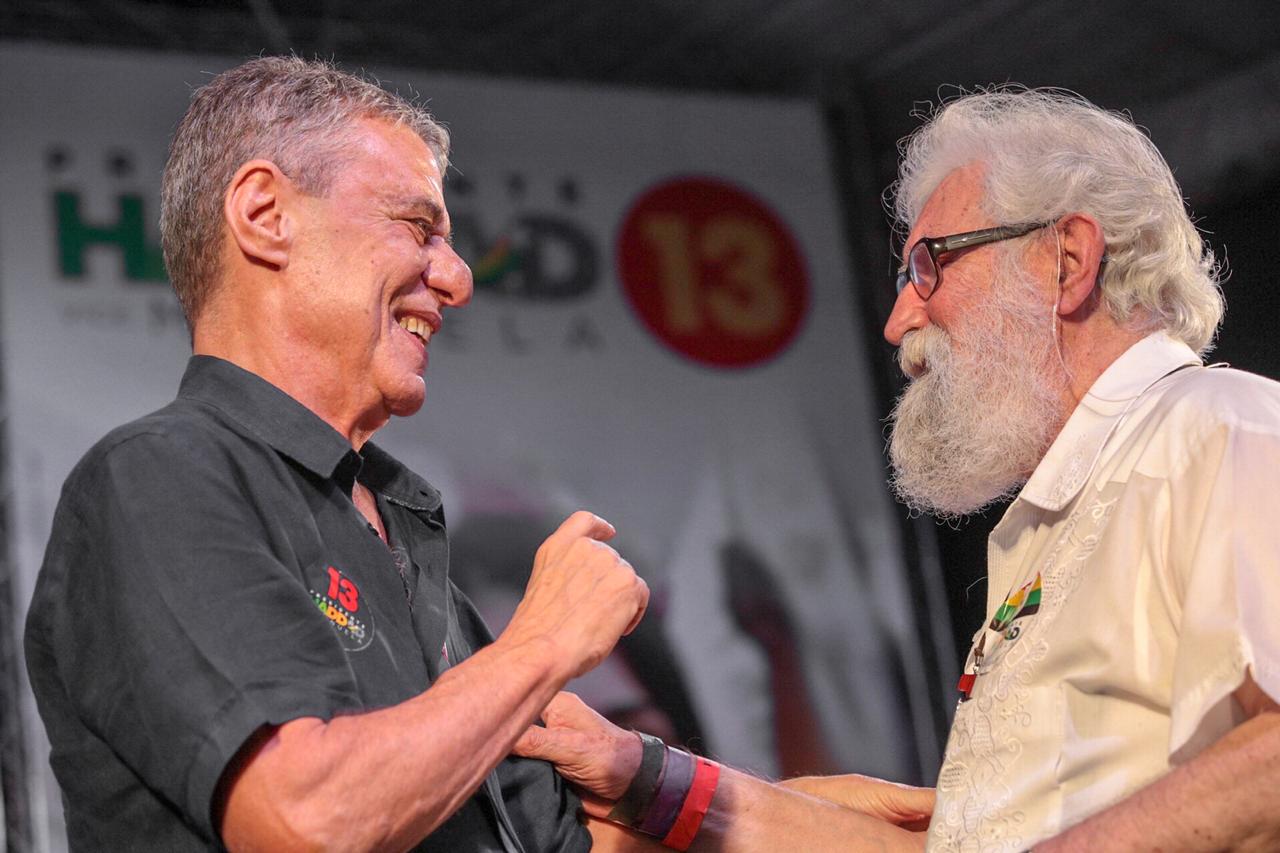
Gente Umile”, un omaggio e una riflessione

Leonardo Boff

“Gente Umile” è una canzone di Chico Buarque realizzata in collaborazione con altri. Della sua vasta e complessa opera, questa canzone è per me la più bella e significativa. Parla delle aspirazioni che animano la teologia della liberazione che dà centralità alle “persone umili” e riconosce in loro una forza storica, poco valorizzata dagli analisti sociali. Voglio omaggiarlo nel giorno del suo ottantesimo compleanno con una piccola riflessione basata su questa canzone. In essa tutto è vero.

Le cose vere e identificative delle persone si realizzano oltre la coscienza riflessa. Sono forze che agiscono a partire dal profondo della vita e dell’universo, dall’inconscio abissale e da archetipi ancestrali che emergono nella coscienza delle persone e attraverso di loro si annunciano ed emergono nella storia. Dico questo per superare una certa interpretazione che attribuisce valore assoluto al soggetto e al significato consapevole che intende conferire al suo lavoro. Il significato della produzione di Chico Buarque va oltre il significato che lui stesso, forse, ha voluto darle. Non intende certo avere il monopolio del significato della realtà da lui cantata e descritta. Esistono molteplici sfaccettature di significato che possono essere catturate dagli ascoltatori e lettori, che in questo modo diventano coautori dell’opera. Trascrivo qui la canzone “Gente Umile”

  “Ci sono certi giorni in cui penso alla mia gente

E mi sento come se tutto il mio petto si stringesse

Perché sembra che accada all’improvviso

Esprimendo un desiderio di vivere senza accorgermi di me

Uguale a loro quando passo per le periferie

Io molto felice di venire in treno da qualche parte

E lì mi prende come un’invidia di queste persone

Che vanno avanti

Senza nemmeno avere qualcuno su cui contare

Sono case semplici con sedie sul marciapiede

E in cima alla facciata c’è scritto che è un domicilio

Sul balcone fiori tristi e vuoti

Con la felicità che non ha dove accostarsi

E lì sento una tristezza nel mio petto

Come un dispetto per non essere in grado di lottare

E io, che non credo, chiedo a Dio per la mia gente

È gente umile, che voglia di piangere”.

Da 50 anni nel mestiere di teologo, camminando con entrambi i piedi, uno nel mondo accademico e l’altro in mezzo ai poveri, considero quest’opera di Chico la più commovente e perfetta. Essa traduce meravigliosamente due realtà.

La prima, “della gente umile”, della loro totale impotenza sociale. Non c’è nessuno per loro. Vanno avanti con le loro poche forze, senza contare su nessuno, né sullo Stato, né sulla società chiusa nei suoi interessi esclusivi di classe, a volte nemmeno sulle chiese, anche se una parte della Chiesa Cattolica ha fatto un’opzione per i poveri, contro la loro povertà e per la loro liberazione. Ma di solito contano solo su Dio e su se stessi. Le case, quando ce le hanno, sono semplici, con le sedie sul marciapiede, da dove vedono il mondo e condividono le amicizie. Possiedono un alto senso etico e un sacro senso della famiglia. La casa è povera ma è “un rifugio”. Fiori tristi, rachitici, simili a loro, adornano la casa, ma regna una discreta gioia e serenità.

La seconda realtà che la canzone traduce con raffinata percezione etica e psicologica è la reazione di coloro che non sono “persone semplici”, ma sono sensibili, umane e solidali con questa condizione umana; in questo caso, Chico, Vinicius de Morais e Garoto, co-autori del testo e della musica. Il compositore pensa “alla mia gente”, cioè per Chico essa esiste e sta lì, quando per tanti essa non solo è invisibile ma non esiste o è vergognosamente disprezzata. Percepisce la differenza di status sociale: lui arriva molto bene in treno; loro, sicuramente a piedi, camminando molto. Gli si “stringe il petto”, vorrebbe vivere come loro, anonimo, senza essere notato. Di più: ha “invidia di questa gente” per il loro coraggio nell’affrontare la vita da sole, lottare e sopravvivere senza nessuno che l’aiuti.

E allora esplode la solidarietà e la compassione nel senso nobile del termine: come possiamo aiutarli e stare con loro? Emerge il sentimento di impotenza, “la tristezza nel […] petto/ come un dispetto per […] non essere in grado di lottare”.

La Teologia della Liberazione, che coinvolge ancora oggi migliaia di cristiani in diversi continenti, cominciò a confrontarsi con questa situazione riportata da Chico. Questi cristiani hanno assunto un impegno liberatore, confidando nella “gente umile” e nella sua forza storica. Ma la ferita è troppo grande. La nostra generazione e, forse, neppure quella successiva non riuscirà a chiuderla. Un sentimento di impotenza ci tormenta, ma senza mai perdere la speranza che un altro mondo sia possibile e necessario.

È allora che ricorriamo all’Ultimo riferimento. Ci deve essere Qualcuno, signore del mondo e del corso delle cose, che può porre rimedio a questa umiliazione. Anche chi non crede, ma non ha perso il suo senso di umanità, percepisce il significato liberatorio della categoria “Dio”. E lì, con commozione non contenuta, il poeta canta: “E io, che non credo, chiedo a Dio per la mia gente È gente umile, che voglia di piangere”.

L’impotenza è superata perché trionfa l’emozione del cuore. Dio è invocato, disperatamente, come fonte ultima di significato. Di fronte alla gente umile, sofferente, anonima, ogni incredulità sarebbe cinismo, indifferenza, disumanità. L’effetto finale è lo stesso: hai “volontà di piangere”. E piangiamo o asciughiamo con discrezione lacrime di commozione, di indignazione e di compassione.

Non c’è una volta in cui ascolto questa canzone che non mi vengano le lacrime agli occhi, perché la verità è tanta e il sentimento è così vero che l’unica reazione degna sono le lacrime che, secondo San Paolo, sono un dono dello Spirito Santo. Questo è puro umanesimo, testimoniato anche da Gesù di Nazareth che si commosse davanti al suo popolo abbandonato come pecore senza pastore.

Ed ecco la riflessione di un teologo su “la non fede” di Chico, espressa in questa canzone. Dobbiamo discernere e riscattare qual’è la vera fede e quale è la falsa. Ciò appare chiaro quando prendiamo coscienza del vero significato di “Dio” e di dove Egli si lascia trovare sotto altri nomi.

Ci sono quelli che dicono di non credere, ma hanno a cuore la “gente semplice”, sono sensibili alla giustizia e rifiutano di accettare il mondo perverso che incontrano. E ci sono quelli che credono in Dio, ma neppure vedono la “gente semplice” e sono insensibili all’ingiustizia sociale e si inseriscono tranquillamente nel mondo perverso in cui si trovano.

Dove sta Dio? Da che lato Egli s’incontra? Da tutto ciò che apprendiamo dai profeti e dalla riflessione cristiana, Dio sta infallibilmente dalla parte di coloro che si avvicinano alla “gente semplice”, s’impegnano per la giustizia e sono pieni di ira sacra contro questo mondo perverso. Questo perché il vero nome di Dio è giustizia, è solidarietà ed è amore.

Chi ha Dio continuamente sulle labbra e Lo professa con le sue parole, ma si allontana dalla “gente umile”, chiude un occhio davanti alle esigenze della giustizia e non si preoccupa con la solidarietà, è lontano da Dio e privo della sua grazia. Il Dio in cui crede non è altro che un idolo perché non c’è amore, solidarietà e giustizia.

Chico si è messo, senza volerlo, dalla parte del Dio vivo e vero perché si è messo dalla parte della “gente umile”. Il suo coinvolgimento lo pone infallibilmente dalla parte di Dio e al cuore del suo progetto per un Regno di amore, di giustizia e di pace.

Ancora di più. Alla fine della vita, quando tutto si deciderà, il criterio sarà, secondo Gesù (vedere i vangelo di San Matteo 25,41-46), quanto siamo stati sensibili alla “gente umile”, agli affamati, ai assetati, ai poveri e penalizzati da questa nostra storia. Coloro che hanno fatto cosi, sentiranno le parole di infinita beatitudine: “fu a me che l’avete fatto”; “venite dunque, benedetti dal Padre mio, e prendete possesso del Regno preparato per voi fin dalla creazione del mondo”.

Per me basterebbe la canzone “Gente Umile” per immortalare Chico nel cuore di tutti coloro che non passano al largo dei caduti sulla strada, ma si fermano come samaritani, soffrono e piangono insieme. Chico ha vissuto la stessa esperienza del suo patrono Francesco di Assisi. Questa esperienza lo convertì da figlio di un ricco mercante a un amico e compagno dei più poveri tra i poveri, i lebbrosi (hanseniani). Lui parlava di loro come sua “gente poverella”, gente umile della Toscana. Da borghese e membro della “jeunesse dorée” quale era, lasciò tutto e si fece povero come loro. Era chiamato semplicemente “il poverello di Assisi”.

E adesso lo dico da teologo: dietro questa “gente umile” tra tutti i “poverelli” si nasconde il Figlio di Dio. Dare dignità alla “gente umile”, come ha fatto Chico, è riscattare il meglio dell’eredità umanistica della nostra storia e del Gesù storico, che ha visto nei poveri i primi eredi del suo sogno. Stava sempre dalla parte dei ciechi, degli zoppi, dei malati mentali (possessione, nel linguaggio dell’epoca) e si fece anche lui un povero.

Per vivere questa dimensione non è necessario essere religiosi o credere in Dio. Logicamente, se sei religioso e credi in Dio, avrai più forza. Ma non è indispensabile. Basta essere umani, amanti della giustizia e cantori dell’amore. È qui che si realizza la religione autentica e s’incontra il vero Dio.

Traduzione:Gianni Alioti

“Humble People”: a tribute and a reflection

                      Leonardo Boff

“Humble People” is a song by Chico Buarque made in partnership with others. Of his vast and complex work, this song is for me the most beautiful and meaningful. She talks about the desires that animate liberation theology that gives centrality to “humble people” and recognizes in them a historical force, little valued by social analysts. I want to honor him on his 80th birthday with a small reflection based on this song. Everything in her is true.

The true and identifying things of people are realized beyond reflex consciousness. These are forces that act from the depths of life and the universe, from the abyssal unconscious and from ancestral archetypes that emerge into people’s consciousness and through them announce themselves and emerge in history. I say this to overcome a certain interpretation that gives absolute value to the subject and the conscious meaning he intends to give to his work. The meaning of Chico Buarque’s production goes beyond the meaning that he himself perhaps wanted to give it. He certainly does not intend to have a monopoly on the meaning of the reality he sings and describes. There are multiple facets of meaning that can be captured by listeners and readers, who then become co-authors of the work. I transcribe the song “Gente Humilde”

“There are certain days when I think about my people

And I feel like my whole chest is tightening

Because it seems to happen suddenly

Made a wish for me to live without noticing me

Just like them when I pass through the suburbs

I very well coming by train from somewhere

And then it makes me jealous of these people

That goes forward

Without even having anyone to count on

They are simple houses with chairs on the sidewalk

And on the facade it is written above that it is a home

On the balcony sad and empty flowers

With the joy that has nowhere to touch

And then I feel sadness in my chest

Made despite me not being able to fight

And I, who don’t believe, ask God for my people

They are humble people, I want to cry.”

As a theologian and for 50 years walking with both feet, one in academia and the other in poor circles, I consider this work by Chico to be the most moving and perfect. It marvelously translates two realities.

The first, “of humble people”, of their complete social helplessness. There is no one for them. They go forward with their little strength, without counting on anyone, not the State, not society closed in on its class-exclusive interests, sometimes not even the churches, although a portion of the Catholic Church has made an option for the poor, against their poverty and for their liberation. But they usually only count on God and themselves. The houses, when they have them, are simple, with chairs on the sidewalk, from where they see the world and share friendships. They have a high ethical sense and a sacred sense of family. The house is poor but it is “a home”. Sad, stunted flowers, similar to them, adorn the house, but discreet joy and serenity reign.

The second reality that the song translates with fine ethical and psychological perception is the reaction of those who are not “simple people” but are sensitive, human and supportive of this condition humaine, in this case, Chico, Vinicius de Morais and Garoto, co- authors of the lyrics and music. The composer thinks “of my people”, that is, for Chico, she exists and is there, when for so many she is not only invisible but also does not exist or is shamefully despised. He notices the difference in social status: he comes very well by train; them, safely on foot, walking a lot. His “chest tightens”, he would like to live like them, anonymous, without being noticed. Even more: she is “envious of these people” for their courage to face life alone, fight and survive without anyone to help.

And then solidarity and compassion emerge in the noble sense of the term: how can we help and be with them? The feeling of impotence emerges, “the sadness in […] the chest/ like a spite of […] not being able to fight”.

Liberation Theology, which still involves thousands of Christians on various continents, began when faced with this situation reported by Chico. These Christians made a liberating commitment, trusting in “humble people” and their historical strength. But the wound is too big. Our generation or the next may not be able to close it. A feeling of impotence plagues us, but without ever losing hope that another world is possible and necessary.

It is then that we turn to the Last reference. There must be Someone, master of the world and the course of things, who can fix this humiliation. Even someone who does not believe, but who has not lost their sense of humanity, perceives the liberating meaning of the category “God”. And then, with uncontained emotion, the poet sings: “And I, who don’t believe, ask God for my people/ they are humble people, I want to cry”.

Impotence is overcome because the emotion of the heart triumphs. God is invoked, desperately, as the ultimate source of meaning. In the face of humble, suffering, anonymous people, all disbelief would be cynicism, all indifference, inhumanity. The final effect is the same: “it makes you want to cry”. And we cry or discreetly wipe away tears of emotion, indignation and compassion.

There isn’t a time when I listen to this song that tears don’t come to my eyes, because the truth is so much and the feeling is so true that the only worthy reaction is tears which, according to Saint Paul, is a gift of the Holy Spirit. This is pure humanism, also witnessed by Jesus of Nazareth who was moved by his people abandoned like sheep without a shepherd.

And here is a theologian’s reflection on Chico’s “non-belief”, said in this song. We need to discern and identify which is the true belief and which is false. This becomes clear when we become aware of the true meaning of “God” and where He allows Himself to be found under other names.

There are those who say they don’t believe, but they care about “simple people”, are sensitive to justice and refuse to accept the perverse world they encounter. And there are those who believe in God but do not even see “simple people” and are insensitive to social injustice and calmly fit into the perverse world in which they find themselves.

Where is God? Which side is He on? From everything we learn from the prophets and Christian reflection, God is infallibly on the side of those who approach “simple people”, commit themselves to justice and are filled with sacred wrath against this perverse world. This is because the true name of God is justice, solidarity and love.

Whoever has God continually on his lips and professes Him in his words but distances himself from “humble people”, turns a blind eye to the demands of justice and is not bothered by solidarity, is far from God and lacking his grace. The God you believe in is nothing more than an idol because there is no love, solidarity and justice.

Chico placed himself, without intending to, on the side of the living and true God because he placed himself on the side of “humble people”. Your engagement places you unfailingly on God’s side and at the heart of his project for a Kingdom of love, justice and peace.

Even more. In the afternoon of life, when everything will be decided, the criterion will be, according to Jesus (see the gospel of Saint Matthew 25, 41-46), how sensitive we have been to “humble people”, to the hungry, the thirsty, the poor and penalized by this history of ours. Those who did so will hear the words of infinite bliss: “it was to me that you did it”; “Come therefore, blessed by my Father, and take possession of the Kingdom prepared for you since the creation of the world.”

For me, “Humble People” would be enough to immortalize Chico in the hearts of all those who do not pass by the fallen on the road, but stop like Samaritans, suffer and cry together. Chico lived the same experience as his patron Francis of Assis. This experience transformed him from the son of a rich merchant to a friend and companion of the poorest of the poor, lepers. He spoke of them as his “people poverella”, humble people from Toscana. Being bourgeois and a member of the “jeunesse dorée” that he was, he left everything behind and became poor like them. It was simply called “the poverello of Assisi”.

And now I say as a theologian: behind these “humble people” of all the “poverellos” the Son of God hides. Dignifying “humble people”, as Chico did, is rescuing the best of the humanistic heritage of our history and of the historical Jesus who saw in the poor, the first heirs of his dream. He was always on the side of the blind, the lame, the psychologically affected (possession, in the language of the time) and he also became poor.

To live this dimension you don’t need to be religious or believe in God. Logically, if you are religious and believe in God, you will be reinforced. But it is not essential. Just be human, a lover of justice and a singer of love. This is where authentic religion is realized and there the true God is found.

Version B.Korn

“Gente Humilde”: un homenaje y una reflexión

Leonardo Boff*

“Gente humilde” es una canción de Chico Buarque hecha en colaboración con otros. De su vasta y compleja obra, esta canción es para mí la más hermosa y significativa. Ella habla de los anhelos que animan a la teología de la liberación que da centralidad a la “gente humilde” y reconoce en ellos una fuerza histórica, poco valorada por los analistas sociales. Quiero hacerle un homenaje por sus 80 años con una pequeña reflexión a partir de esta canción. En ella todo es verdadero.

Las cosas verdaderas e identificadoras de las personas se realizan más allá de la conciencia refleja. Son fuerzas que actúan a partir de lo profundo de la vida y del universo, del inconsciente abismal y de arquetipos ancestrales que asoman a la conciencia de las personas y a través de ellas se anuncian y emergen en la historia. Digo esto para superar cierta interpretación que da valor absoluto al sujeto y al sentido consciente que él pretende conferir a su obra. El sentido de la producción de Chico Buarque va más allá del sentido que él mismo haya querido tal vez darle. Seguramente él no pretende tener el monopolio del sentido de la realidad por él cantada y descrita. Hay múltiples facetas de sentido que pueden ser captadas por los oyentes y lectores, que entonces se hacen co-autores de la obra. La letra de la canción dice así:

Hay ciertos días en que pienso en mi gente
Y siento así todo mi pecho apretado
Y me sucede que me viene de repente
Como un deseo de vivir sin ser notado

Igual a ellos cuando voy por los suburbios
Y yo muy bien llegado en tren de algún lugar
Y ahí me da como una envidia de esa gente
Que va adelante sin tener con quien contar

Casas sencillas con sillas en las aceras 
Y en la fachada escrito encima que es un hogar
En el balcón flores tristes y baldías
Como alegría que no tiene donde asentar 

Y ahí me viene una tristeza en el pecho
Me siento inútil por no tener cómo luchar
Y yo que no creo, le pido a Dios por mi gente
Es gente humilde, ay qué ganas de llorar”

En mi oficio de teólogo, andando desde hace 50 años con un pie en la academia y el otro en los medios pobres, considero que esta obra de Chico es la más conmovedora y perfecta. Ella traduce de maravilla dos realidades.

La primera, la “de la gente humilde”, su completo desamparo social. Nadie está de su parte. Van adelante con sus pocas fuerzas, sin poder contar con nadie, ni con el Estado, ni con la sociedad cerrada en sus intereses excluyentes de clase, a veces ni con las iglesias, aunque una parte de la Iglesia Católica hizo una opción por los pobres, contra su pobreza y por su liberación. Pero por lo general sólo cuentan con Dios y con ellos mismos. Las casas, cuando las tienen, son sencillas, con sillas en las aceras desde donde ven el mundo y comparten amistades. Tienen un elevado sentido ético y un sentido sagrado de familia. La casa es pobre, pero es “un hogar”. Flores tristes, raquíticas, semejantes a ellos, adornan la casa, pero reina una discreta alegría y serenidad.

La segunda realidad, que la canción traduce con fina percepción ética y psicológica, es la reacción de quien no es “gente simple” pero es sensible, humano y solidario con esta condition humaine, en este caso, Chico, Vinicius de Morais y Garoto, co-autores de la letra y de la música. El compositor piensa “en mi gente”, o sea, para Chico esa gente existe y está ahí, cuando para tantos no solo es invisible, sino que no existe o es vergonzosamente despreciada. Percibe la diferencia de estatuto social: élviene muy bien en tren; ellos, seguramente a pie, caminando mucho. Su “pecho se aprieta”, le gustaría vivir como ellos, anónimo, sin ser notado. Mas aún, tiene “envidia de esa gente” por su valor de enfrentar la vida sola, luchar y sobrevivir sin nadie que la ayude.

Y ahí irrumpe la solidaridad y la compasión en el sentido noble del término: ¿cómo ayudar y estar junto a ellos? Surge el sentimiento de impotencia, “la tristeza en el pecho […] por no tener cómo luchar”.

La Teología de la Liberación, que envuelve todavía a miles de cristianos en los distintos continentes, comenzó al enfrentarse con esta situación relatada por Chico. Esos cristianos asumieron un compromiso liberador, confiando en la “gente humilde” y en su fuerza histórica. Pero la llaga es demasiado grande. Tal vez ni nuestra generación ni la próxima consigan cerrarla. Nos asola un sentimiento de impotencia pero sin perder nunca la esperanza de que otro mundo es posible y necesario. 

Entonces es cuando recurrimos a la Última referencia. Debe haber Alguien, señor del mundo y del curso de las cosas, que dé respuesta a esa humillación. Incluso alguien que no cree, pero que no ha perdido su sentido de humanidad, percibe el sentido liberador de la categoría “Dios”. Y ahí, con emoción incontenida, canta el poeta: “Y yo que no creo, le pido a Dios por mi gente/es gente humilde, ay qué ganas de llorar”.

La impotencia es superada porque triunfa la conmoción del corazón. Dios es invocado, desesperadamente, como última fuente de sentido. Delante de la gente humilde, sufrida, anónima, toda descreencia sería cinismo, toda indiferencia, inhumanidad. El efecto final es justamente ese: “tengo ganas de llorar”. Y lloramos o enjugamos discretamente lágrimas de conmoción, de indignación y de compasión.

Siempre que escucho esta canción me vienen lágrimas a los ojos, pues la verdad es tanta y el sentimiento tan verdadero que la única reacción digna son las lágrimas que, según san Pablo, son un don del Espíritu Santo. Esto es puro humanismo, testimoniado también por Jesús de Nazaret que se conmovió delante de su pueblo abandonado como ovejas sin pastor.

Y aquí cabe una reflexión de teólogo sobre “la no creencia” de Chico, mencionada en esta canción. Tenemos que discernir bien y rescatar la creencia verdadera de la falsa. Eso aparece claro cuando tomamos conciencia del sentido verdadero de “Dios” y dónde Él se deja encontrar bajo otros nombres.

Están los que dicen que no creen, pero se preocupan de la “gente sencilla”, son sensibles a la justicia y se niegan a aceptar el mundo perverso que encuentran. Y están los que creen en Dios pero no ven a la “gente sencilla”, son insensibles a la injusticia social y se introducen tranquilamente en el mundo perverso en el que se encuentran.

¿Dónde está Dios? ¿De qué lado se encuentra? De todo lo que aprendimos de los profetas y de la reflexión cristiana, Dios está infaliblemente del lado de quien se acerca a la “gente sencilla”, se compromete con la justicia y se llena de iracundia sagrada contra ese mundo perverso. Esto es porque el verdadero nombre de Dios es justicia, es solidaridad y es amor.

Quien tiene a Dios continuamente en sus labios y Lo profesa en sus palabras pero se distancia de la “gente humilde”, se hace mudo a los reclamos de la justicia y se desentiende de la solidaridad, está lejos de Dios y falto de su gracia. El Dios en que cree no deja de ser un ídolo porque no hay amor, solidaridad ni justicia.

Chico se situó, sin pretenderlo, al lado del Dios vivo y verdadero porque se puso al lado de la “gente humilde”. Su compromiso lo sitúa infaliblemente del lado de Dios y en el corazón de su proyecto de un Reino de amor, de justicia y de paz.

Más aún. En el atardecer de la vida, cuando se va a decidir todo, el criterio según Jesús (véase el evangelio de san Mateo 25, 41-46) será cuán sensibles hayamos sido a la “gente humilde”, a los hambrientos, a los sedientos, a los pobres y castigados de nuestra historia. Los que así lo hicieron, oíran las palabras de infinita bienaventuranza: “a mí me lo hicisteis”; “venid, pues, benditos de mi Padre y tomad posesión del Reino preparado para vosotros desde la creación del mundo”.

Para mí, bastaría “Gente humilde” para eternizar a Chico en el corazón de todos los que no pasan de largo ante los caídos en el camino, se detienen como samaritanos, sufren y lloran junto a ellos. Chico vivió la misma experiencia de su patrono Francisco de Asís. Esa experiencia lo convirtió de hijo de un rico comerciante en amigo y compañero de los más pobres de los pobres, los leprosos (hansenianos). Él hablaba de ellos como su “gente poverella”, gente humilde de la Toscana. De burgués y miembro de la “jeunesse dorée” que era, dejó todo y se hizo un pobrecillo como ellos. Era llamado sencillamente  “el poverello de Asís”.

Y ahora digo como teólogo: detrás de esta “gente humilde”, de todos los “poverellos” se esconde el Hijo de Dios. Dignificar a la “gente humilde”, como lo hizo Chico, es rescatar lo mejor de la herencia humanista de nuestra historia y del Jesús histórico que vio en los pobres los primeros herederos de su sueño. Siempre estuvo al lado del ciego, del cojo, del psicológicamente afectado (poseído, en el lenguaje de la época), y él se hizo también un pobre.

Para vivir esta dimensión no es necesario ser religioso ni creer en Dios. Lógicamente quien es religioso y cree en Dios se ve reforzado, pero no es indispensable. Basta ser humano, amante de la justicia y cantor del amor. En eso se realiza la religión auténtica y ahí se encuentra el verdadero Dios.

Leonardo Boff é ecoteólogo, filósofo y escritor.

Traducción de Mª José Gavito Milano

„Einfache Leute“: eine Hommage und eine Reflexion                                     

“Gente humilde” (Einfache Leute) ist ein Lied von Chico Buarque, das er in Zusammenarbeit mit anderen geschrieben hat. Von seinem umfangreichen und komplexen Werk ist dieses Lied für mich das schönste und bedeutendste. Es spricht von den Sehnsüchten, die die Befreiungstheologie beseelen, die das “einfache Volk” in den Mittelpunkt stellt und in ihm eine historische Kraft erkennt, die von den Sozialanalytikern wenig gewürdigt wird. Ich möchte ihn zu seinem 80. Geburtstag mit einer kurzen Reflexion über dieses Lied würdigen. Alles, was er sagt, ist wahr.

Das Wahre und Identifizierende der Menschen wird jenseits des reflexiven Bewusstseins realisiert. Es sind Kräfte, die aus den Tiefen des Lebens und des Universums wirken, aus dem abgrundtiefen Unbewussten und aus uralten Archetypen, die in das Bewusstsein der Menschen gelangen und sich durch sie ankündigen und in der Geschichte auftauchen. Ich sage dies, um eine bestimmte Interpretation zu überwinden, die dem Subjekt und der bewussten Bedeutung, die es seinem Werk geben will, absoluten Wert beimisst. Die Bedeutung des Werks von Chico Buarque geht über die Bedeutung hinaus, die er selbst ihm vielleicht geben wollte. Er erhebt sicherlich nicht den Anspruch, ein Monopol auf die Bedeutung der von ihm besungenen und beschriebenen Realität zu haben. Es gibt mehrere Bedeutungsfacetten, die von den Zuhörern und Lesern erfasst werden können, die dann zu Mitautoren des Werks werden. Ich transkribiere das Lied “Gente Humilde”

“Es gibt Tage, da denke ich an mein Volk

Und ich spüre, wie sich meine ganze Brust zusammenzieht

Weil es ganz plötzlich zu geschehen scheint

Wie ein Wunsch zu leben, ohne mich zu bemerken

Genau wie sie, wenn ich durch die Vorstadt fahre

Ich bin gerade mit dem Zug von irgendwoher gekommen

Und dann bin ich neidisch auf diese Leute

Die vorwärts gehen

Ohne jemanden, auf den sie zählen können

Einfache Häuser mit Stühlen auf dem Bürgersteig

Und an der Fassade steht, dass es ein Zuhause ist

Auf dem Balkon, traurig, leere Blumen

Mit Freude, die sich nirgends anlehnen kann

Und es gibt eine Traurigkeit in meiner Brust

Wie eine Bosheit, die ich nicht bekämpfen kann

Und ich, der ich nicht glaube, bete zu Gott für mein Volk

Sie sind bescheidene Leute, ich möchte weinen.

Als Theologe, der seit 50 Jahren mit beiden Beinen im Leben steht, mit dem einen in der akademischen Welt und mit dem anderen bei den Armen, halte ich dieses Werk von Chico für das bewegendste und perfekteste. Es übersetzt auf wunderbare Weise zwei Realitäten.

Die erste, “des einfachen Volkes”, von seiner völligen sozialen Hilflosigkeit. Es gibt niemanden, der für sie da ist. Sie schlagen sich mit ihren wenigen Kräften durch und verlassen sich auf niemanden, nicht auf den Staat, nicht auf die Gesellschaft mit ihren ausgrenzenden Klasseninteressen, manchmal nicht einmal auf die Kirchen, obwohl ein Teil der katholischen Kirche eine Option für die Armen, gegen ihre Armut und für ihre Befreiung getroffen hat. Aber im Allgemeinen verlassen sie sich nur auf Gott und sich selbst. Ihre Häuser, wenn sie welche haben, sind einfach, mit Stühlen auf dem Bürgersteig, von wo aus sie die Welt sehen und Freundschaften pflegen. Sie haben einen hohen Sinn für Ethik und einen heiligen Sinn für Familie. Das Haus ist arm, aber es ist “ein Zuhause”. Traurige, verkümmerte Blumen, die ihnen ähnlich sind, schmücken das Haus, aber es herrschen diskrete Freude und Gelassenheit.

Die zweite Realität, die das Lied mit feiner ethischer und psychologischer Wahrnehmung wiedergibt, ist die Reaktion derjenigen, die keine “einfachen Leute” sind, sondern sensibel, menschlich und mitfühlend mit dieser condition humaine umgehen, in diesem Fall Chico, Vinicius de Morais und Garoto, die Mitautoren des Textes und der Musik. Der Komponist denkt “an meine Leute”, das heißt, für Chico existieren sie und sind da, während sie für so viele nicht nur unsichtbar sind, sondern gar nicht existieren oder schändlich verachtet werden. Er bemerkt den Unterschied im sozialen Status: er kommt sehr gut mit dem Zug, sie sicher zu Fuß, viel zu Fuß. Seine “Brust spannt sich an”, er würde gerne wie sie leben, anonym, unbemerkt. Mehr noch, er ist “neidisch auf diese Leute”, weil sie den Mut haben, sich dem Leben allein zu stellen, zu kämpfen und zu überleben, ohne dass ihnen jemand hilft.

Und dann brechen Solidarität und Mitgefühl im edlen Sinne des Wortes aus: Wie können wir ihnen helfen und für sie da sein? Das Gefühl der Ohnmacht bricht aus, “die Traurigkeit in […] der Brust/ wie ein Trotz, […] nicht kämpfen zu können”.

Die Befreiungstheologie, an der noch heute Tausende von Christen auf den verschiedenen Kontinenten beteiligt sind, begann angesichts der von Chico beschriebenen Situation: Diese Christen setzten sich im Vertrauen auf das “einfache Volk” und seine historische Kraft für die Befreiung ein. Doch die Wunde ist zu groß. Unsere Generation und die nächste sind vielleicht nicht in der Lage, sie zu schließen. Wir fühlen uns machtlos, aber wir verlieren nie die Hoffnung, dass eine andere Welt möglich und notwendig ist.

Das ist der Zeitpunkt, an dem wir uns dem letzten Hinweis zuwenden. Es muss jemanden geben, der Herr der Welt und des Laufs der Dinge ist, der dieser Erniedrigung ein Ende setzen kann. Selbst jemand, der nicht glaubt, aber seinen Sinn für Menschlichkeit nicht verloren hat, erkennt die befreiende Bedeutung der Kategorie “Gott”. Und dann singt der Dichter mit unbändiger Emotion: “Und ich, der ich nicht glaube, bitte Gott für mein Volk / es sind demütige Menschen, ich möchte weinen“.

Die Ohnmacht wird überwunden, weil das Gefühl des Herzens triumphiert. Gott wird verzweifelt als die letzte Quelle des Sinns angerufen. Angesichts der demütigen, leidenden, anonymen Menschen wäre jeder Unglaube Zynismus, jede Gleichgültigkeit Unmenschlichkeit. Das Endergebnis ist dasselbe: “Man möchte weinen”. Und man weint oder wischt sich diskret die Tränen der Rührung, der Empörung und des Mitgefühls weg.

Es vergeht kein Moment, in dem ich dieses Lied höre, ohne dass mir die Tränen in die Augen steigen, denn die Wahrheit ist so groß und das Gefühl so wahr, dass die einzig würdige Reaktion die Tränen sind, die nach dem heiligen Paulus eine Gabe des Heiligen Geistes sind. Das ist reiner Humanismus, wie ihn auch Jesus von Nazareth bezeugt hat, der von seinem Volk gerührt war, das verlassen war wie Schafe ohne Hirten.

Und hier ist die Reflexion eines Theologen über Chicos “Nicht-Glauben” in diesem Lied. Wir müssen unterscheiden, was wahrer Glaube ist und was falsch. Das wird deutlich, wenn wir die wahre Bedeutung von “Gott” erkennen und wo er sich unter anderen Namen finden lässt.

Es gibt diejenigen, die sagen, dass sie nicht glauben, sich aber um die “einfachen Leute” sorgen, sensibel für Gerechtigkeit sind und sich weigern, die perverse Welt, die sie vorfinden, zu akzeptieren. Und es gibt diejenigen, die an Gott glauben, aber die “einfachen Leute” gar nicht sehen und für soziale Ungerechtigkeit unempfindlich sind und sich stillschweigend in die perverse Welt, in der sie sich befinden, einfügen.

Wo ist Gott? Auf welcher Seite steht er? Nach allem, was wir von den Propheten und aus der christlichen Reflexion gelernt haben, steht Gott unfehlbar auf der Seite derjenigen, die sich den “einfachen Menschen” zuwenden, sich für Gerechtigkeit einsetzen und von heiligem Zorn gegen diese verkehrte Welt erfüllt sind. Denn der wahre Name Gottes ist Gerechtigkeit, Solidarität und Liebe.

Wer Gott ständig auf den Lippen hat und sich in seinen Worten zu ihm bekennt, sich aber vom “einfachen Volk” distanziert, sich den Forderungen der Gerechtigkeit verschließt und sich nicht um die Solidarität kümmert, ist weit von Gott entfernt und entbehrt seiner Gnade. Der Gott, an den er glaubt, ist nichts anderes als ein Götze, denn es gibt keine Liebe, keine Solidarität und keine Gerechtigkeit.

Chico hat sich, ohne es zu wollen, auf die Seite des lebendigen und wahren Gottes gestellt, weil er sich auf die Seite der “einfachen Leute” gestellt hat. Sein Engagement stellt ihn unfehlbar auf die Seite Gottes und in den Mittelpunkt seines Projekts für ein Reich der Liebe, der Gerechtigkeit und des Friedens.

Mehr noch. Am Abend des Lebens, wenn alles entschieden sein wird, wird das Kriterium laut Jesus (siehe Matthäus-Evangelium 25,41-46) sein, wie sensibel wir gegenüber den “Einfachen”, den Hungrigen, den Durstigen, den Armen und den Bestraften unserer Geschichte gewesen sind. Diejenigen, die dies getan haben, werden die Worte der unendlichen Glückseligkeit hören: “Das habt ihr mir getan.”; “Kommt nun, die ihr von meinem Vater gesegnet seid, und nehmt das Reich in Besitz, das euch seit der Erschaffung der Welt bereitet ist”.

Für mich würde “Gente Humilde” ausreichen, um Chico in den Herzen all derer zu verewigen, die nicht an den Gefallenen auf der Straße vorbeigehen, sondern als Samariter innehalten, mit ihnen leiden und weinen. Chico hat die gleiche Erfahrung gemacht wie sein Namenspatron Franz von Assisi. Diese Erfahrung machte ihn vom Sohn eines wohlhabenden Kaufmanns zum Freund und Begleiter der Ärmsten der Armen, der Aussätzigen. Er bezeichnete sie als seine “gente poverella”, die einfachen Leute Umbriens. Als Bourgeois und Mitglied der “jeunesse dorée” ließ er alles fallen und wurde arm wie sie. Man nannte ihn einfach den “poverello von Assisi”.

Und nun sage ich als Theologe: Hinter diesen “einfachen Leuten”, den “poverellos”, verbirgt sich der Sohn Gottes. Die “einfachen Leute” zu würdigen, wie es Chico getan hat, bedeutet, das Beste des humanistischen Erbes unserer Geschichte und des historischen Jesus zu retten, der die Armen als die ersten Erben seines Traums sah. Er war immer auf der Seite der Blinden, der Lahmen, der psychisch Kranken (in der Sprache der damaligen Zeit: der Besessenen) und er hat sich selbst arm gemacht.

Man muss nicht religiös sein oder an Gott glauben, um diese Dimension zu leben. Wenn man allerdings religiös ist und an Gott glaubt, wird man gestärkt. Aber das ist nicht unerlässlich. Es reicht aus, ein Mensch zu sein, ein Liebhaber der Gerechtigkeit und ein Sänger der Liebe. Das ist der Ort, an dem sich authentische Religion verwirklicht und an dem der wahre Gott zu finden ist.

Leonardo Boff Ökotheologe, Philosoph und Schriftsteller