Chico Mendes’ Legacy for the Pan-Amazonic Synod

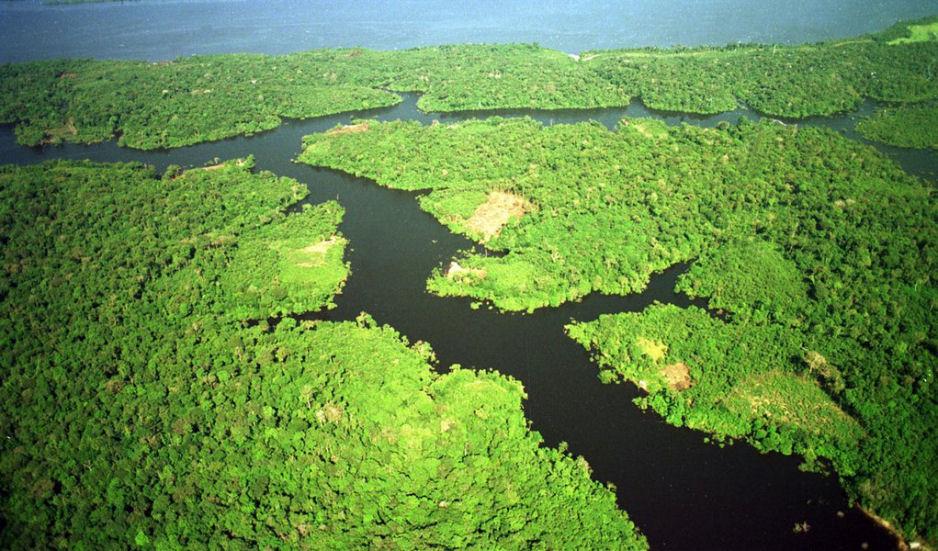
Francisco Alves Filho, better known as Chico Mendes, was a genuine child of the jungle, identified with her. A self educated man, he came to understand that because it sees nature more as a nuisance than as an ally, current development disregards nature and works against her. Chico Mendes was one of the few who understood sustainability as a dynamic and self regulating equilibrium of the Earth, thanks to the chain of inter-dependency among all beings, especially the living beings who live by recycling resources and therefore are forever sustained. The Amazon is the main example of this natural sustainability.

Those who knew him and enjoyed his friendship knew his profound identification with the Amazon jungle, with her immense biodiversity, the seringales (rubber tree plantations), the animals, and the smallest signs of life of the jungle. Chico Mendes had the spirit of a modern day Saint Francis.

He divided his time between the city and the jungle. Deep in his body and soul he would hear the strong call of the jungle when he was in the city. He felt part of, not above the jungle. That is why he periodically returned to his seringal and to communion with nature. There he was in his habitat, in his true home.

But his socio-ecological consciousness caused him to leave the jungle to spend time organizing the seringueros (rubber workers), founding labor union cells and participating in struggles of resistance: the famous“empates” strategy, where the seringueros, with their children, their elders and other allies, peacefully stood in front of the machines that cut down the trees, blocking their entry into the rubber reserves, and preventing the destruction they caused.

Facing the fires, such as those presently devouring the Amazon, that in 2019 have had 74,155 focal points, covering 18,627 square kilometers, Chico Mendes suggested, in the name of the Movement of the Peoples of the Jungle, creating extract reserves, which the Federal Government accepted in 1987. He put it correctly: “we, the seringueros, understand that the Amazon cannot be transformed into an untouchable sanctuary. On the other hand, we also understand the urgent need for development, but without cutting down trees, or threatening the life of the peoples of the planet”.

Mendes affirmed: “at the beginning I defended the seringueros, but soon I understood that I had to defend nature, and finally I understood that I had to defend humanity. Therefore we proposed an alternative, for preserving the jungle that simultaneously can be economic. We thought then of creating the extracting reserves” (cf. Grzybowski, C., (org.) The Testament of the Man of the Jungle: Chico Mendes by himself, (El testamento del Hombre de la Selva: Chico Mendes por él mismo), FASE, Rio de Janeiro 1989 p.24).

He himself explained how it would function: “In the extracting reserves we will commercialize and industrialize the products that the jungle generously offers us. The university must oversee the extracting reserve. That is the only way the Amazon will not disappear. That reserve will not have owners. It will be a common good of the whole community. We will use the products but will not be the owners” (cf. Jornal do Brasil 24/12/1988). “This way an alternative could be found to the savage extraction that only benefits the speculators. A felled mahogany tree in Acre sells for from 1 to 5 dollars; if sold in the European market, it costs from 3 to 5 thousand dollars”.

On Christmas Eve, 1988, he fell victim to the hatred of the enemies of nature and humanity. Five bullets killed him. He left his Amazonian life to enter universal history and the collective sub-consciousness of all persons who love our planet and its biodiversity.

Chico Mendes has become an archetype that encourages the struggle for the preservation of the Amazon jungle and the peoples of the jungle, a struggle now assumed by millions all over the world. We understand the indignation of many members of the G-7, led by Emmanuel Macron, the President of France, against the irrational devastation promoted by Brazil’s President Jair Bolsonaro, who is committing a crime against humanity and deserves to be judged for that crime. The Amazon is a common good of humanity.

The Amazon mega-projects (Brazilian and foreign) show the predatory type of development of capitalism. It produces growth that has been appropriated by the few at the expense of the jungle and the misery of her peoples. Is contrary to life and the enemy of the Earth. It is the result of an insane irrationality.

Decisions are made about such Pharaonic projects in cold offices without sound information, far from the enchanting scenery, blind to the supplicant faces of the sertanejos and indifferent to the innocent eyes of the Indigenous people. They are decisions made by people without empathy, with neither respect for the jungle, nor human solidarity.

The work project of the Pan Amazonic Synod is different. There the voice that will be more present and listened to will be that of the people of the jungle. They know how to protect the forest. They will offer the best suggestions for combining protection of the jungle and extraction and production of its natural goods.

This “development”, made with the people and by the people, erases the legitimacy of the dominant idea, especially that of the agro-business, that the jungle and the forests must be eradicated because otherwise modernity cannot thrive.

Studies have shown that it is not necessary to destroy the Amazon jungle to obtain profits. The extraction of fruits from the palm trees (açaí, burití or moriche, bacába or milpesillo, chontaduro, etc.), Brazil nuts, rubber, vegetable oils and dies, alkaloid substances for pharmacology, and substances of herbicide and fungicide value, are more profitable than all the deforestation that under the Bolsonaro government has grown by more than 230%.

Only 10% of the tierras roxas (lands of the Indigenous), already identified as of excellent fertility, can be converted into major world agrarian productivity areas. The exploitation of minerals and timber can occur along with permanent reforestation, that assures the green nature of the affected areas (cf. Moran, E., The human economy of the Amazon populations (La economía humana de las poblaciones amazónicas, Vozes, Petrópolis 1990, 293 y 404-405); Schubart, H., Ecology and the the use of the jungles, (Ecología y utilización de las selvas, in Salati, E., Amazon, development, integration, ecology, Amazonia, desarrollo, integración, ecología, op.cit. 101-143).

The Amazon can be a test of a possible alternative, in consonance with the rhythm of her exuberant nature, respecting and giving value to the wisdom of the original peoples.

For the Pan Amazonic Synod, that will take place in October 2019, in Rome, Chico Mendes will be a paradigmatic example and a source of inspiration.

Leonardo Boff Eco-Theologian-Philosopher.Earthcharter Commissioner

Free translation from the Spanish sent by
Melina Alfaro, alfaro_melina@yahoo.com.ar.
Done at REFUGIO DEL RIO GRANDE, Texas, EE.UU.


Amazonia: santuario intangible de la Casa Común

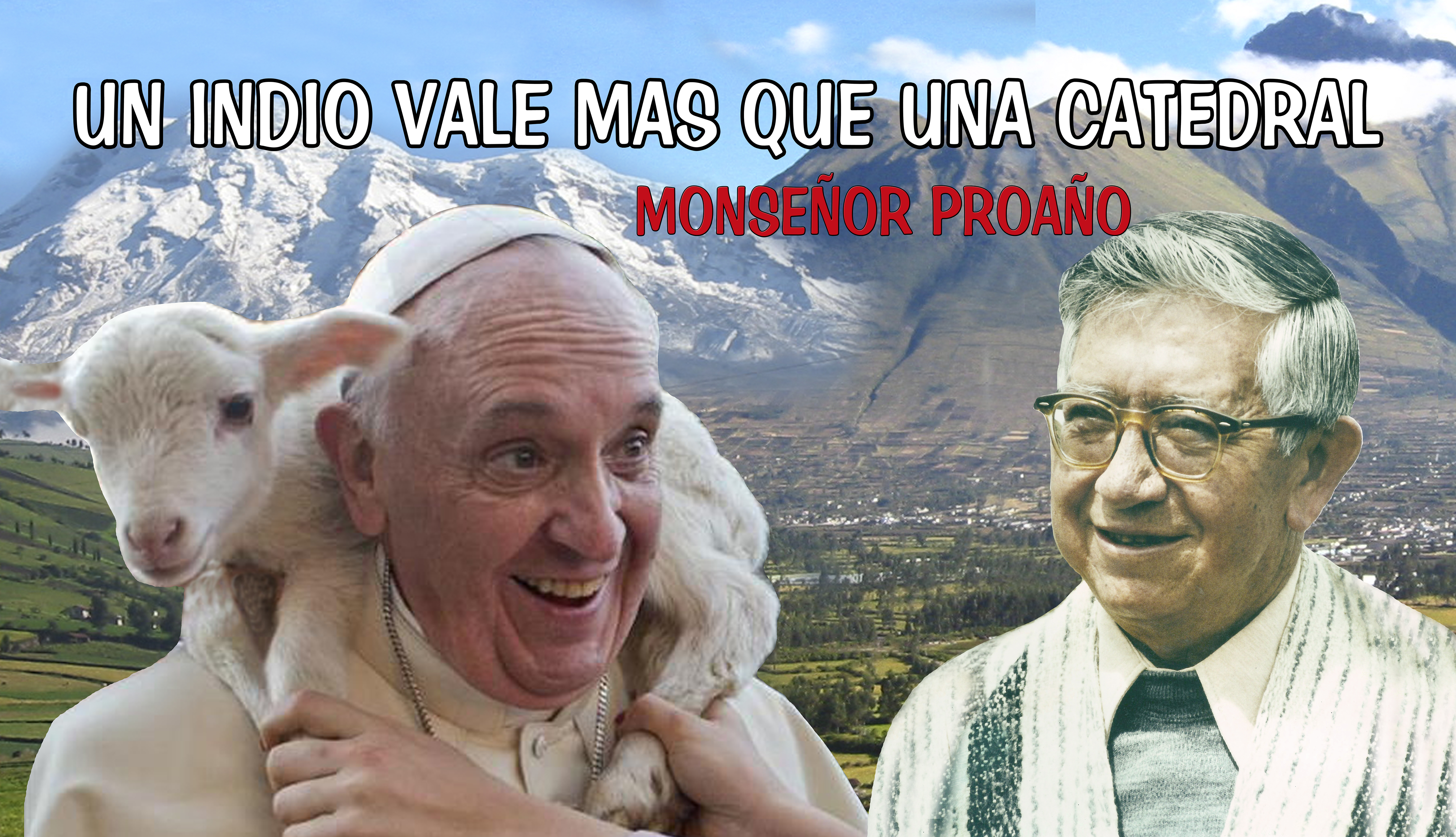
A FUNDACIÓN PUEBLO INDIO DEL ECUADOR coordenada pela Diretora Executiva Nidia Arrobo Rodas, é uma fundação criada já há mais de 30 anos pelo famoso bispo indígena Leonidas Proaño de Riobamba no Equador. Esta fundacão enviou ao Papa Francisco em razão do Sínodo Panamazônico uma petição arrojada: declarar toda a região amazônica “Santuário Intangivel da Casa Comum”. Não é sem razão, pois o bioma amazônico que recobre 9 países é fundamental para o equilíbrio de nossa Casa Comum. Reconhecidamente vivemos uma emergência climática e ecológica. Não vamos ao encontro do aquecimento global. Estamos já dentro dele e de forma crescente. A Amazônia como um todo é o grande filtro de absorção do CO2 e de outros gazes de efeito estufa. A abundância de suas águas. da biodiversidade, de tantas outras riquezas e de muitíssimos bens e serviços naturais, poderão garantir o futuro da vida no planeta e de nossa civilização. Mas à condição de cuidarmos dela, de sustarmos sua devastação e de valorizarmos a sabedoria ancestral dos povos originários que nela habitam há milhares de anos.Num outro momento solicitaremos subscrições a este documento para que seja enviado ao Papa Francisco e aos participantes do Sínodo Panamazônico em outubro poróximo. Consideremos atentamente o conteúdo desta proclamação. LBoff

***********************

               AMAZONÍA: SANTUARIO INTANGIBLE DE LA CASA COMÚN

“Busco en todas partes luchadores por la PAZ y por la VIDA, debemos actuar antes de que sea demasiado tarde, antes de que la ambición y lalocura de unos hombres conviertan a nuestro planeta en una luna muerta, en un cementerio del espacio” (Mons. Leonidas Proaño).

Saludamos la próxima realización del Sínodo de la Panmazonía,una extraordinaria iniciativa del Papa Francisco, por la cual esta importante asamblea colegial podrá ver la problemática, analizar y valorar la realidad a la luz de la Palabra y diseñar cursos de acción. La iniciativa es signo de esperanza en medio de los peligros que amenazan la subsistencia de nuestra Casa Común.

Pedimos al Papa Francisco y a los padres sinodales la declaratoria de la Amazonía como Santuario Intangible de la Casa Común.

Esta declaratoria sería un llamado espiritual y profético a los hombres y mujeres de buena voluntad para que se reconozca a la Amazonía que recubre 9 paises, como tierra santa, tan sagrada como la de la zarza ardiente del Sinaí donde Moisés escuchó las palabras de Dios: “el lugar donde estás parado es tierra santa.”

La declaratoria sería un llamado a la consciencia universal y particularmente una demanda a los organismos mundiales y a los estados responsables para que tomen las medidas urgentes y profundas que se necesitan para salvar la vida en el planeta.

Las medidas deberían diseñarse y aplicarse con sentido de emergencia, considerando la velocidad y la profundidad de los cambios adversos que vienen afectando cada vez más al clima, al hábitat y a la vida los pueblos amazónicos. Los objetivos deben enfocar el problema como un todo, pues la afectación es sistémica: impacta la flora y la fauna, el clima, el aire y el régimen de lluvias, comprometiendo el delicado equilibrio de todos los ecosistemas y la vida misma de los pueblos amazónicos, cuyo exterminio está cada vez más cercano. Pero los pueblos no son una especie más del sistema. Son la obra magnífica de Dios; Su imagen y semejanza. Ellos recibieron de las manos del creador ese paraíso natural, lo disfrutan y lo protegen. Sabiéndose y sintiéndose uno con su mundo saben cómo vivir sin afectar su equilibrio.

Las medidas, en consecuencia, tendrían que estar encaminadas a

  1. Que se asignen legalmente territorios suficientes para cada una de las diversas nacionalidades indígenasque habitan en la Amazonía, tomando en cuenta su forma de vivir e interactuar con la naturaleza.
  2. Que la delimitación y ubicación de los territorios sea tal que cada uno constituya refugio seguro y base de sustento y nutrición para los pueblos indígenas, y la Vida de la Amazonía.
  3. Que se aplique para esos territorios una larga moratoria de las actividades extractivistas que dañan la foresta, las petroleras y mineras; así como se discuta seriamente la implementación de plantaciones y explotaciones ganaderas que implican la deforestación. Especialmente que se garantiza la sostebilidad para la eventual apertura de carreteras y centrales hidroeléctricas; en fin, el cese de las intervenciones predatorias tanto de los gobiernos como de los grupos económicos interesados, nacionales e internacionales.
  4. Que los pueblos indígenas puedan ejercer en esos territorios su autoridad, en el marco de la autodeterminación, el autogobierno, la justicia ancestral de acuerdo a sus usos y costumbres, y su vida política, cultural y espiritual en plenitud, sentiendose parte de la entera nación.

Los acuerdos y pactos internacionales han carecido de eficacia porque no son mandatorios para los países. No se han establecido consecuencias para su incumplimiento. Aspiramos a que este Sínodo pueda instar a los organismos internacionales para procurar la aplicación efectiva y eficaz de las resoluciones adoptadas.

Pedimos a los padres sinodales obrar con energía para pedir que los estados se comprometan a cumplir con sus compromisos en favor de la Amazonía mediante la adopción de mecanismos idóneos, independientes del vaivén de las coyunturas políticas.

La declaratoria debe enviar un mensaje claro de la Iglesia y de todos presenes en el Sínodo, para toda la humanidad y no solamente a los fieles; para las organizaciones de la sociedad comprometidas con la conservación del planeta y de la especie y para cada uno de los hogares. Todos tenemos algo que hacer en favor del planeta vigilando nuestros hábitos de consumo y nuestras interacciones con los recursos naturales.

Así, la Declaratoria de Santuario, será el instrumento idóneo para salvaguardar a los Pueblos Indígenas en Aislamiento Voluntario, que constituyen los grupos humanos más vulnerables de la Amazonia y del mundo, víctimas de la violencia del modelo económico global depredador impuesto; pero al mismo tiempo, testimonio vivo de resistencia a esta globocolonización que uniformiza, y mata la diversidad y la vida de la humanidad y del planeta.

“…Para el indígena, la tierra es la madre. No es una manera de hablar, no es un puro sentimentalismo; el pueblo indígena considera, dentro de su núcleo cultural, dentro de su pensamiento, a la tierra  como su madre… pensamiento que, por otra parte, se identifica con el pensamiento de la Sagrada Escritura, en otras palabras, con el pensamiento de  Dios”. (Mons. Proaño) Y añade el Papa Francisco en su encíclica “Laudato si: sobre el cuidado de la Casa Común”: “Para los indígenas la Tierra no es un bien económico, sino don de Dios, y de sus antepasados que descansan en ella, un espacio sagrado con el cual necesitan interactuar para sostener su identidad y sus valores. Cuando permanecen en sus territorios, son precisamente ellos quienes mejor los cuidan”(n.146).

Queremos finalizar con las palabras de Bernardo Alves, del pueblo indígena Sateré-Mawé: “Los pueblos indígenas son bibliotecas vivas. Son los guardianes, cuidadores y jardineros de la Amazonia y del Planeta. Cada vez que un pueblo indígena es exterminado y desaparece, un rostro de Tupãna (Dios) muere, el cosmos, el planeta y toda la humanidad se empobrecen”.

Fundación Pueblo Indio del Ecuador

Ruiz de Castilla N26-92 y Sosaya

Telfs. 593-2-2529 361; 593-2-3200-968

Email: fpie@fundacionpuebloindio.org; fundacionpuebloindiodelecuador@gmail.com

170520 Quito – Ecuador


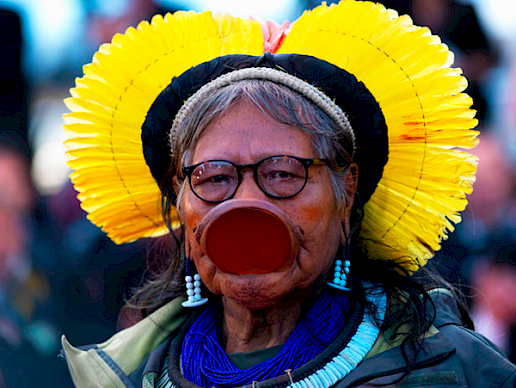
“Vc envenena o planeta e semeia a morte e logo será tarde demais para mudar”: cacique Raoni dos Kayapó

“Vc envenena o planeta e semeia a morte e logo será tarde demais para mudar”: cacique Raoni dos Kayapó
Leonardo Boff
Esta advertência do Cacique Raoni Metuktire, do povo Kayapó, foi publicada no jornal The Guardian,e difundida entre nós pela Midia Ninja http://midianinja.org/news/nos-povos-da-amazonia-estamos-cheios-de-medo-em-breve-voces-tambem-terao-diz-cacique-raoni/ Os povos originários são portadores de grande sabedoria ancestral e pressentem o que pode ocorrer com os humanos e com a natureza quando cortamos nossa conexão com ela e não nos sentirmo parte dela. Eles falam dentro do paradigma da grande tradição da humanidade (dos espíritos e da vida das florestas, dos rios em toda a natureza) que se combina bem com a visão da nova cosmologia e biologia que entrevêem a vida e o espírito existindo antes no universo e por isso em nós. O princípio  do espirito é o mesmo em todos  mas sua realização se dá de modos diferentes nos distintos seres especialmente nos seres humanos, O espírito porque está primeiro no universo,está agora também em nós. Raoni foi injustamente caluniado,diante dos representantes de 192 povos na Assembléia da ONU no perturbador discurso do Presidente do Brasil,no dia 24 de setembro. Como reparação e profunda solidariedade a ele, publicamos um texto seu que está correndo o mundo. Raoni nos faz pensar, pois sua advertência é séria, de quem conhece a lógica da natureza e como ela nos poderá afetar se não entrarmos em sintonia com ela, pois nos pertencemos mutuamente.

Eis palavras severas do cacique Raoni:

“Por muitos anos, nós, os líderes indígenas e os povos da Amazônia, temos avisado vocês, nossos irmãos que causaram tantos danos às nossas florestas. O que você está fazendo mudará o mundo inteiro e destruirá nossa casa – e destruirá sua casa também.
Temos deixado de lado nossa história dividida para nos unirmos.

Apenas uma geração atrás, muitos de nossos povos estavam lutando entre si, mas agora estamos juntos, lutando juntos contra nosso inimigo comum. E esse inimigo comum é você, os povos não-indígenas que invadiram nossas terras e agora estão queimando até mesmo aquelas pequenas partes das florestas onde vivemos que você deixou para nós. O presidente Bolsonaro do Brasil está incentivando os proprietários de fazendas perto de nossas terras a limpar a floresta – e ele não está fazendo nada para impedir que invadam nosso território.

Pedimos que você pare o que está fazendo, pare a destruição, pare o seu ataque aos espíritos da Terra. Quando você corta as árvores, agride os espíritos de nossos ancestrais. Quando você procura minerais, empala o coração da Terra. E quando você derrama venenos na terra e nos rios – produtos químicos da agricultura e mercúrio das minas de ouro – você enfraquece os espíritos, as plantas, os animais e a própria Terra. Quando você enfraquece a Terra assim, ela começa a morrer. Se a Terra morrer, se nossa Terra morrer, nenhum de nós será capaz de viver, e todos nós também morreremos.

Por que você faz isso? Você diz que é para desenvolvimento – mas que tipo de desenvolvimento tira a riqueza da floresta e a substitui por apenas um tipo de planta ou um tipo de animal? Onde os espíritos nos deram tudo o que precisávamos para uma vida feliz – toda a nossa comida, nossas casas, nossos remédios – agora só há soja ou gado. Para quem é esse desenvolvimento? Apenas algumas pessoas vivem nas terras agrícolas; eles não podem apoiar muitas pessoas e são estéreis.

Você destrói nossas terras, envenena o planeta e semeia a morte, porque está perdido. E logo será tarde demais para mudar

Então, por que você faz isso? Podemos ver que é para que alguns de vocês possam obter uma grande quantia de dinheiro. Na língua Kayapó, chamamos seu dinheiro de piu caprim, “folhas tristes”, porque é uma coisa morta e inútil, e traz apenas danos e tristeza.

Quando seu dinheiro entra em nossas comunidades, muitas vezes causa grandes problemas, separando nosso pessoal. E podemos ver que faz o mesmo em suas cidades, onde o que você chama de gente rica vive isolado de todos os outros, com medo de que outras pessoas venham tirar seu piu caprim. Enquanto isso, outras pessoas passam fome ou vivem na miséria porque não têm dinheiro suficiente para conseguir comida para si e para seus filhos.
Mas essas pessoas ricas vão morrer, como todos nós vamos morrer. E quando seus espíritos forem separados de seus corpos, seus espíritos ficarão tristes e vão sofrer, porque enquanto vivos fizeram com que muitas outras pessoas sofressem em vez de ajudá-las, em vez de garantir que todos os outros tenham o suficiente para comer, antes de alimentar a si próprio, como é o nosso caminho, o caminho dos Kayapó, o caminho dos povos indígenas.

Você tem que mudar a sua maneira de viver porque está perdido, você se perdeu. Onde você está indo é apenas o caminho da destruição e da morte. Para viver, você deve respeitar o mundo, as árvores, as plantas, os animais, os rios e até a própria Terra. Porque todas essas coisas têm espíritos, todas elas são espíritos, e sem os espíritos a Terra morrerá, a chuva irá parar e as plantas alimentares murcharão e morrerão também.

Todos nós respiramos esse ar, todos bebemos a mesma água. Vivemos neste planeta. Precisamos proteger a Terra. Se não o fizermos, os grandes ventos virão e destruirão a floresta.

Então você sentirá o medo que nós sentimos”.

Cacique Raoni Metuktire, da nação Kayapó.

Fonte: http://midianinja.org/news/nos-povos-da-amazonia-estamos-cheios-de-medo-em-breve-voces-tambem-terao-diz-cacique-raoni/


The Amazon:The Common Wealth of the Earth and Humanity

The Amazon:The Common Wealth of the Earth and Humanity

The current fires in the Brazilian and Bolivian Amazon demonstrate the importance of the Amazonian biome to the equilibrium and future of life. The gravity of the situation is seen in the carelessness with which the President of Brazil treats environmental issues, denying the most serious scientific data and the threat to the Indigenous reserves, aggravated by the way the Minister for the Environment has dismantled the principal organs for protecting the jungle and the Indigenous lands, and the uncontrolled advance of agro-business into the virgin jungle.

According to some international specialists, the Amazon is the second most vulnerable area on the planet with respect to climate change as caused by human beings. Pope Francis himself warned «that the future of humanity and of the Earth is bound to the future of the Amazon; is manifested for the first time with such clarity that the challenges, conflicts and emergent opportunities in a territory dramatize the dangers to the survival of planet Earth and the coexistence of all of humanity». Those are grave words, underrated by the big predatory corporations, because they know that they should change their modes of production, consumption and waste management. But they prefer profits over caring for human and earthy life.

With good reason, Pope Francis has called for a Pan Amazon Synod in October, this year, whose theme will be: “The Amazon: new paths for the Church and for an integral ecology”. It will be about applying his encyclical letter, “About the caring of the Common Home”, to avoid a world-wide socio-ecological catastrophe. It will not be about an environmental and green ecology, but about an integral ecology, that includes the environment, society, politics, economy, daily life and the spiritual dimension.

Some general data about the Amazonian biome: It covers an area of 8,129,057 square kilometers in nine countries: Brazil (67%), Peru (13%), Bolivia (11%), Colombia (6%), Ecuador (2%), Venezuela (1%), Suriname, Guyana and French Guiana (0.15). It has over 37,700,000 inhabitants, of which 2.8 million are Indigenous, from 390 different nations, who speak 240 languages, of the rich matrix of 49 linguistic branches, a unique phenomenon in the history of wold linguistics.

Three Amazon rivers exist: the one visible on the surface; the aerial, so called, “flying rivers” (each 20 meter-wide tree canopy top produces 1000 liters of water that bring the rains to the [so called] «closed biome», from the South up to the North of Argentina); the third river, invisible, is the river“rez do chão” (do not confuse this with the tourist place, Rez do Chão), a subterranean river that flows underneath the actual Amazon.

The entire Amazon biome is a Common Wealth of the Earth and of Humanity. That is evident in what the astronauts have seen: from the Moon or from spacecraft, Earth and Humanity form a single entity. The human being is the portion of the Earth that began to feel, to think, to love and to care. We are Earth, as Pope Francis and the Bible itself emphasizes.

Now in a planetary phase, we find ourselves together in the same and unique Common Home. The time of nations is passing. Now is the time of the Earth, and we must organize ourselves to guarantee the means that will sustain our existence and that of Nature. No one owns the Earth. She is our Common Good. Everyone has the right to be on the Earth. Since the Amazon is part of the Earth, no one should consider that they own that which is a Good of all and for all. Brazil, at most, has the responsibility of administering the Brazilian portion, (67%) which Brazil is doing irresponsibly. Hence such wide-spread concern.

The Amazon biome is presently the object of the world’s greed, given its wealth. There is too much violence. Since the mid 1980s the Brazilian Amazon has produced more than 12 martyrs, Indigenous. lay and religious; 6 in Ecuador; 2 in Peru and countless more in Colombia.

At the August G-7 gathering in Biarritz, France, the importance of the Amazon biome to the equilibrium of the climate and the Earth herself was evident. I suspect that they still see it conventionally, as a trunk full of resources for their economic projects. I suspect that they have not internalized the vision of the new ecology that sees the Earth as a living super organism, and us as part of that super organism and not as her masters. If the Amazon were totally destroyed, everything from the South of Brazil up to the North of Argentina and Uruguay would be transformed in a desert. Hence the vital importance of that multinational biome.

The irresponsibility of President Jair Bolsonaro is so great that world jurists plan to accuse him of ecocide, a crime recognized by the UN in 2006, and take him before the tribunal of the «crimes against Humanity».

I finish with the words of Miguel Xapuri Ianomâmi, an Indigenous Yanomami:

“You have God, we have Omama. She created life, and the Yanomamis, She permits all that happens. We are in constant communication with Her”. Who in the secular world could speak from the heart in this form?

Leonardo Boff Eco-Theologian-Philosopher,Earthcharter Commission

Free translation from the Spanish sent by
Koinonia, info@servicioskoinonia.org.
Done at REFUGIO DEL RIO GRANDE, Texas, EE.UU