
Eduardo Hoornaert é conhecido neste blog. É um historiador e pesquisador muito sério de nossa história e a da Igreja do Brasil. É atento às consequências que a vergonhosa escravidão se fazem presentes nas nossas práticas cotidianas. Os dados estatísticos nos revelam que 55,4% da população se declara de negros e mulatos. A escravidão proclamada em 1888 não terminou. Ganhou novas formas, como por exemplo, pelo trabalho escravo a modo de escravidão que afeta centenas e centenas de pessoas . Uma razão a mais para sempre voltarmos para esta chaga que nunca se fecha e para a nossa responsabilidade de aboli-la verdadeiramente para não sermos tão maus uns para com os outros.Lboff
****************************
A escravidão. Uma reflexão histórica no contexto das eleições presidenciais e 2018
Eduardo Hoornaert
Em seu livro ‘A elite do atraso, da escravidão à Lava Jato’ (Leya, Rio de Janeiro, 2017), o sociólogo e historiador Jessé Sousa faz uma impiedosa anatomia da história do Brasil, como comprova o subtítulo do trabalho: ‘um livro que analisa o pacto dos donos do poder para perpetuar uma sociedade cruel, forjada na escravidão’. Para muitos, imagino, as palavras de Jessé Sousa soam ofensivas e até brutais. Mas, será que elas são falsas e devem ser rejeitadas sem mais nem menos? Eis o que pretendo considerar com você no texto que se segue.
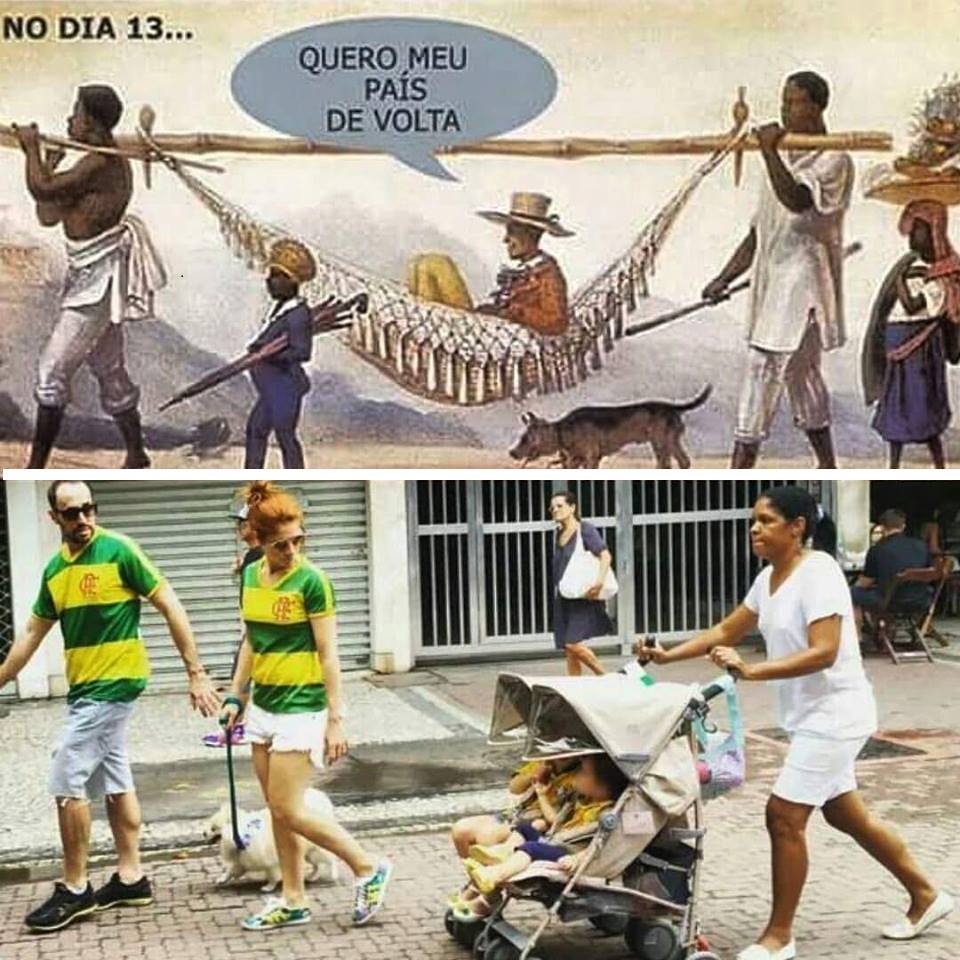
1. O modo em que Jessé Sousa se expressa pode ser chocante, mas se baseia em séria pesquisa histórica. Dizer que a sociedade brasileira continua fundamentalmente marcada pela escravidão é uma afirmação de inconfundível veracidade histórica. Durante quatro séculos, os colonizadores portugueses se apoderaram de milhões de habitantes da África e os transportaram ao Brasil (os números comumente avançados são de aproximadamente 4.000.000 de pessoas) para se aproveitar de seus serviços em diversos projetos econômicos (cana de açúcar, minas de ouro, café etc.) e serviços domésticos.. Em consequência disso, a ‘escravidão’ (como Jessé Sousa costuma dizer) se tornou constitutiva do modo brasileiro de se viver em sociedade. Ela se perpetua até hoje, dos mais variados modos, malgrado determinados gestos formais como a Abolição da Escravatura no ano 1888, a Declaração dos Direitos Humanos em 1948 ou a mui tardia e ocultada condenação da escravatura pela Igreja Católica em 1965 (numa passagem nos documentos do Concílio Episcopal Vaticano II). Pode-se dizer que ela continua sendo a ‘marca registrada’ do Brasil. O que escrevo aqui pode parecer estranho, mas basta observar atentamente a vida diária para detectar comportamentos que só se explicam recorrendo à herança constitutiva da escravidão na formação do país. As empregadas domésticas, por exemplo, bem cedo de manhã, enchem os ônibus nas cidades brasileiras. Enfim, estamos diante de uma escravidão comumente ocultada e silenciada.
2. A história multimilenária da escravidão, desde os antigos impérios dos caldeus, assírios, babilônicos, persas, egípcios, helenistas e romanos, até os sistemas modernos oriundos da colonização europeia, demonstra que a escravidão tanto vitima os escravos quanto seus amos. É relativamente fácil detectar a vitimação dos primeiros na falta de autoestima, na obediência serviçal, na mentalidade de submissão e na quase impossibilidade de lutar por direitos humanos básicos. Resulta mais difícil perceber que os beneficiados pelo sistema igualmente atingidos em sua dignidade, autoestima e sua capacidade de encarar a realidade como ela é. Mesmo espíritos que, no passado, se destacaram por sua inteligência, experimentavam dificuldades em visualizar a escravidão com objetividade. Platão se limita a escrever que ‘uns nascem livres, outros escravos’, Aristóteles fala em ‘escravos por natureza’ e mesmo o grande teólogo cristão Agostinho afirma que a escravidão é ‘fruto do pecado’. Nos raros textos antigos alusivos à escravidão, o tema da inferioridade ‘congênita’ do escravo aparece invariavelmente. Aqui chamo a atenção, de passagem, para a originalidade da postura de Jesus de Nazaré que, vivendo numa sociedade escravocrata, não só toma partido pelos escravos mais os exorta a lutar por seus direitos (As ‘bem-aventuranças’).
3. É nessa história de longa duração que o Brasil se insere. Os ‘explicadores do Brasil’, desde os pioneiros dos anos 1930 (Gilberto Freyre) até os mestres professores dos anos 1930-1940 (Caio Prado Júnior, Sérgio Buarque de Holanda, Paulo Prado e outros), abordam, como não podia deixar de ser, a temática da escravidão. Eles apresentam saídas, e vale a pena averiguar em que elas consistem. O primeiro grande explicador do Brasil é o pernambucano Gilberto Freyre, que em 1936 publica o livro ‘Casa Grande e Senzala’. O valor do livro consiste em confrontar o brasileiro com a identidade binária que caracteriza sociedades escravocratas: Casa Grande e Senzala. Esse brasileiro contempla o mundo a partir da Casa Grande ou a partir da Senzala. Não há meio termo. A narrativa de Freyre penetra fundo. Assim, por exemplo, o autor observa que o sistema só se sustenta por uma sutil combinação entre ‘bondade’ e crueldade. A paz, no domínio, só é garantida quando o Senhor da Casa Grande consegue, ao mesmo tempo, ostentar bondade e tranquilidade e reprimir impiedosamente qualquer sinal de revolta por parte da Senzala. A revolta na Senzala ameaça o desabamento do sistema todo. Daí se compreende que o ódio ao escravo é constitutivo da estrutura política e social do Brasil, como bem entendeu o abolicionista pernambucano Joaquim Nabuco (final do século XIX) quando escreveu: ‘a bondade dos senhores não é outra coisa senão a submissão dos escravos’. A explicação de Gilberto Freyre ainda hoje é atual. Ela descreve a vida no país de modo simples e convincente.
De outro lado, o mestre pernambucano se embrulha quando pretende apontar uma saída no sentido de ‘conciliar’ Casa Grande e Senzala. Ele tira da manga o slogan ‘democracia racial’. O abismo entre senhores e escravos se elimina por meio de um modo originalmente brasileiro de ‘democracia’, uma democracia entre raças e culturas, uma ‘miscigenação’. Aqui, em contraste do que se observa nos Estados Unidos, brancos não convivem pacificamente com negros? O Brasil não é um país em que os conflitos sociais inexistem, por força da mestiçagem e da peculiaridade de uma ‘civilização luso-tropical’? O Brasil não é um país que desconhece revoluções e movimentos violentos? Um país pacífico por natureza?
Hoje, as tensões políticas e culturais desmentem a tese freyriana da ‘democracia racial’. O celebrado autor pernambucano, ao querer solucionar o dilema brasileiro, nada mais fez que varrer o potencial violento do pais em baixo do tapete.Vinte anos após Gilberto Freyre surge em São Paulo uma nova escola de ‘explicadores do Brasil’, desta vez na prestigiosa Universidade de São Paulo (USP), modelo inconteste, durante décadas, do ensino superior brasileiro. O ponto de partida é a ideia do ‘desenvolvimento’, em franca ascensão por todo o Ocidente nos anos das descolonizações, cuja plausibilidade se assenta em duas premissas. De um lado, ela tranquiliza os antigos colonizadores (os europeus), e do outro lado apresenta uma saída plausível aos países que se libertaram da colonização e que agora se tornam ‘subdesenvolvidos’ ou, num linguajar mais elegante, ‘em vias de desenvolvimento’. A partir dos anos 1950 e por longas décadas, a ideologia desenvolvimentista ganha corações e mentes. Acolhido pelos intelectuais da USP, ele suscita uma nova geração de explicadores do Brasil, como Caio Prado Júnior, Sérgio Buarque de Holanda, Paulo Prado e outros, cujas ‘explicações’ entram que nem uma luva no modo em que 20 % dos brasileiros (os capacitados a se ‘desenvolver’) gostam de ver o mundo. Enquanto isso, não se tem nada a oferecer aos 80 % da população, a imensa maioria que não tem a mínima condição de participar da festa do desenvolvimento por falhas básicas em termos de conhecimento, condição financeira, capacidade de investir em algum negócio produtivo e lucrativo, etc.
Os professores da USP, afinal, terminam se metendo no mesmo impasse em que Gilberto Freyre já se meteu décadas antes, no momento em que procuram responder à pergunta: como se opera a convivência entre classes sociais tão divididas economica e culturalmente? Sérgio Buarque de Holanda, autor do famoso livro ‘Raízes do Brasil’ (1936), avança a imagem do ‘homem cordial’, na realidade uma reedição e adaptação do tema da ‘democracia racial’ de Gilberto Freyre: o brasileiro é ‘cordial’, supera os problemas por sua capacidade de comunicação para além de fronteiras sociais, econômicas e culturais, sua empatia e simpatia. Como Gilberto Freyre nos anos 1930, Sérgio Buarque, nos anos 1936-1960, varre o problema em baixo do tapete, tapa o buraco por meio de uma expressão ambigua: ‘o homem cordial’. Ele se deu conta da contradição que essa expressão encerra. Cordial vem de coração do qual, diz Sérgio Buarque de Holanda, pode vir a inimizade e o amor. A inimizade e o ódio também são “cordiais”. Mas ele não explora esta contradição, aplicada à sociedade brasileira. Antes,valoriza o lado luminoso da “cordialidade”.
4.A atual agitação em torno da eleição presidencial de 2018 demonstra que o brasileiro não é tão ‘cordial’ como Sérgio Buarque diz, nem tão ‘democrata’ como Gilberto Freyre supõe. Não há mais como varrer problemas não resolvidos em baixo do tapete. Eis o sentido histórico desta eleição. Hoje fica claro: há de se enfrentar os problemas que o país enfrenta, sem subterfúgios.
Talvez esteja na hora de aprender com a experiência de outras nações que, embora em situações bem diferentes das brasileiras, passaram ou passam por dificuldades de convivência.
O historiador alemão Eugen Rosenstock-Huessi (1888-1973, veja Internet) tirou uma importante conclusão dos sofrimentos que afetou inúmeras pessoas na época do surgimento do nazismo nos anos 1930. Ele chegou a afirmar que o sofrimento constitui um componente fundamental da aprendizagem humana. Numa conferência por ele pronunciada em 1967, ele afirmou de modo bastante radical: ’o ser humano aprende sofrendo. O sofrimento é a única fonte de sabedoria, não o cérebro’. E argumentou: ‘Descartes resolveu escrever por causa dos horrores da Guerra dos Trinta Anos, Kant se tornou filósofo sob o impacto da Guerra dos Sete Anos, Schopenhauer passou a refletir nos campos de batalha de Napoleão e Nietzsche emergiu como pensador durante a guerra entre a França e a Prússia’. A partir de considerações desse tipo, Rosenstock escreveu um ensaio intitulado ‘As revoluções europeias e o caráter das nações’, no qual defendeu a tese que um país só se torna um bom lugar para se viver após ter praticado ‘sua revolução’. Ele citou exemplos como o da Inglaterra do século XIV, quando se resolveu criar, ao lado da tradicional ‘House of Lords’ (parlamento dos donos das terras), a ‘House of Commons’ (parlamento de gente comum). A Inglaterra se tornou um país onde era bom viver a partir do momento em que os senhores das terras começaram a dialogar com seus trabalhadores. A França fez sua famosa revolução republicana no final do século XVIII, quando o ‘tiers état’ quebrou a tradicional hegemonia da nobreza aliada ao clero. Na Alemanha, a imensa catarse provocada pela Segunda Guerra Mundial fez com que o lema ‘Deutschland über alles’ (Alemanha acima de tudo) fosse substituído por ‘Wir schicken das’ (‘nós resolvemos isso’: palavras recentes de Ângela Merckel diante do problema da imigração).
Hoje, a Alemanha é um dos países mais democráticos do mundo. Na Bélgica, os flamengos, de língua e cultura germânica, têm de conviver com os valões, de língua e cultura latina. Queiram ou não queiram, pois não há outro jeito. Na Espanha, Bascos e Catalães passam atualmente pela dura prova de uma convivência nacional em torno de Madrid, pois sabem que o separatismo não resolve nada. E assim por diante.
Cada país tem seus problemas é só se torna um lugar bom de se viver quando enfrenta honestamente seus problemas e encaminha racionalmente uma solução, embora, diga-se de passagem, essa sempre seja de caráter provisório. Em outras palavras, segundo o modo de pensar de Rosenstock: há de se optar por sofrer menos, ou seja, por resolver os problemas do país com um mínimo possível de sofrimento. Infelizmente, a história demonstra que a humanidade nem sempre se mostra capaz de optar pelo menor sofrimento.
A história da Europa, nos últimos trezentos anos, que o diga: após a Guerra dos Trinta Anos veio a Guerra dos Sete Anos, depois a Guerra franco-prussiana, a Primeira Guerra Mundial e logo em seguida a Segunda Guerra Mundial.
5. Hoje, no Brasil, não dá mais para ocultar o sol com a peneira. As fórmulas mágicas de um passado recente (‘homem cordial’, ‘democracia racial’, ‘Brasil não violento’, ‘Deus é brasileiro’, ‘país do futuro’) não funcionam mais. Os donos do poder, por meio de seus instrumentos comunicativos, espalham apreensões e temores, preconceitos e mentiras, ódios e repulsas, simpatias e antipatias, com o intuito de lançar as pessoas num labirinto de opiniões e sentimentos donde não conseguem mais sair. Um labirinto de mensagens confusas, frequentemente contraditórias, emanadas de sistemas de comunicação em massa que que têm como finalidade conseguir que as pessoas não consigam ver com seus próprios olhos e pensar com sua própria cabeça. Pessoas ingênuas, confusas, cheias de ‘verdades’.
De outro lado, a própria tensão política do momento parece indicar que o Brasil esteja iniciando um ‘processo civilizador’. Não escrevo ‘civilizatório’, que é coisa bem diferente, como se explica no livro ‘O Processo civilizador’, da autoria de Norbert Elias, cuja leitura aconselho vivamente. Para além de atitudes, opiniões e explicações tradicionais, esse processo repousa sobre uma dinâmica positiva na mente humana, que a impulsa à melhor convivência e vida mais satisfatória em sociedade. Uma dinâmica que, no caso do Brasil, impulsiona a convivência entre os 80 % e os 20 % dos quais falei acima.
Ora, processos civilizadores são demorados, pois não se muda um modo de pensar e de agir de um dia para o outro. Além disso, um processo civilizador procede na base da sociedade, pois passa inevitavelmente pela observação livre e desimpedida da cotidianidade. Uma observação capaz de mudar um determinado modo de se encarar o mundo e de libertar a pessoa do labirinto em que se encontra. Afinal, olhar livremente é só olhar, pensar livremente é só pensar.
Nesse sentido, penso que os anos vindouros, na sociedade brasileira, não serão fáceis, mas ao mesmo tempo podem abrir nova perspectivas. Uma sociedade tão dramaticamente dividida entre os que têm e os que não têm, não se transforma de um dia para outra, com vara de condão. Importa a vontade de sair do labirinto em que os grandes meios de comunicação teimam em nos meter e de adquirir uma postura livre e aberta diante do mundo em que vivemos. Na impossibilidade de invisibilizar, esquecer, reprimir ou mesmo eliminar (segundo um discurso brutal, em voga nos dias de hoje) a maioria da população, resta-nos a aprendizagem de uma convivência capaz de resultar numa vida mais satisfatória para a maioria da população.
 Leonardo Boff